


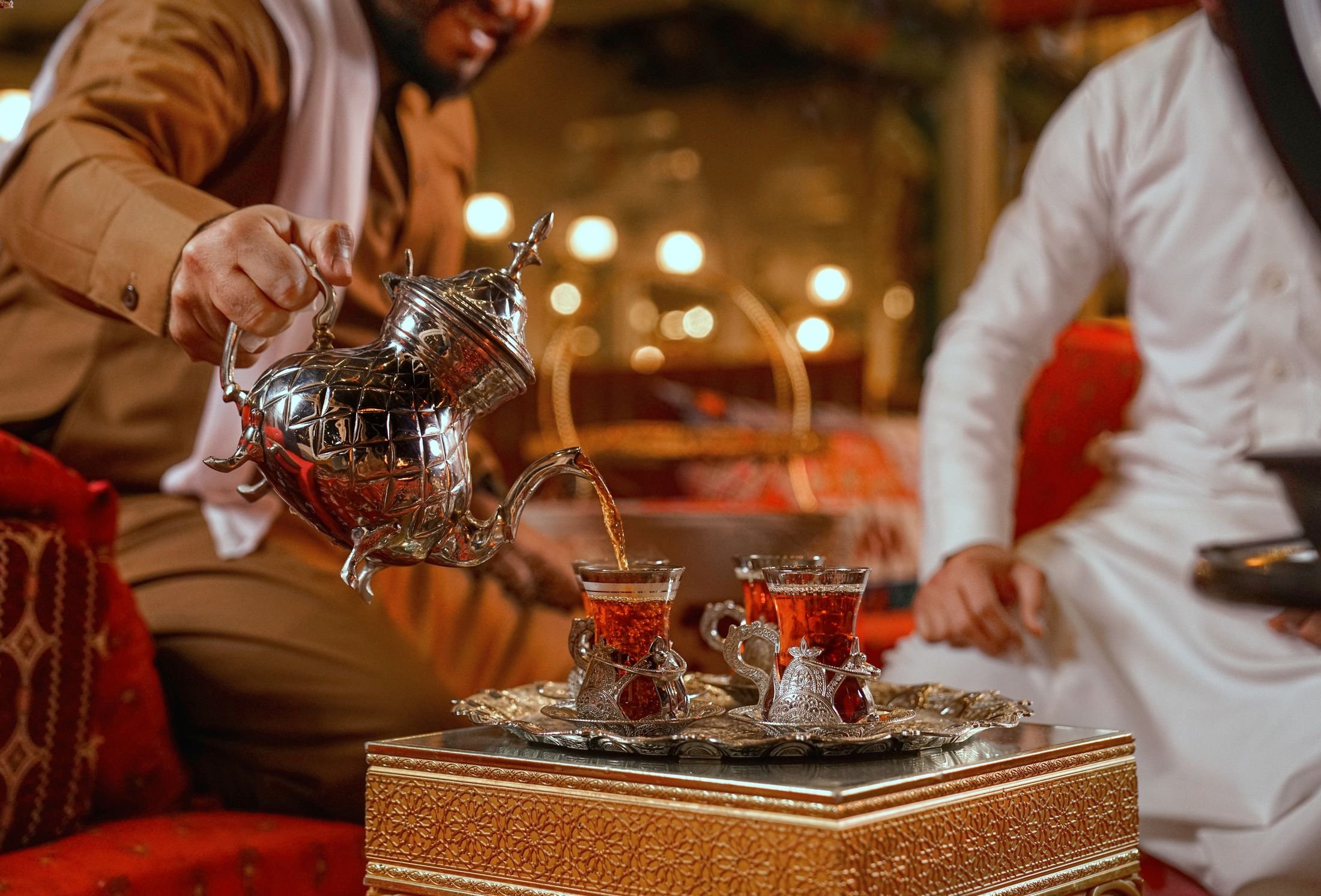
Herbal teas hold a special place in Levantine daily life. They are not only warm drinks, but also part of tradition, home remedies, and social habits. People drink them for comfort, digestion, relaxation, and hospitality.
In cities like Damascus, Beirut, Amman, and Jerusalem, herbal teas are used every day in homes. As a result, dried herbs are always present in the kitchen.
The Role of Herbal Tea in Daily Life
First of all, herbal tea is part of everyday routine. People drink it in the morning, after meals, and before sleep.
In addition, it is often served when someone feels tired, sick, or cold. Because of this, herbal tea is seen as both food and comfort.
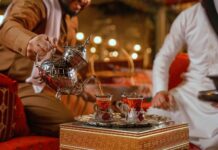
Moreover, it is deeply connected to hospitality. Guests are always offered tea, even for short visits.
Mint Tea (Na’na’ – Tea with Fresh Mint)
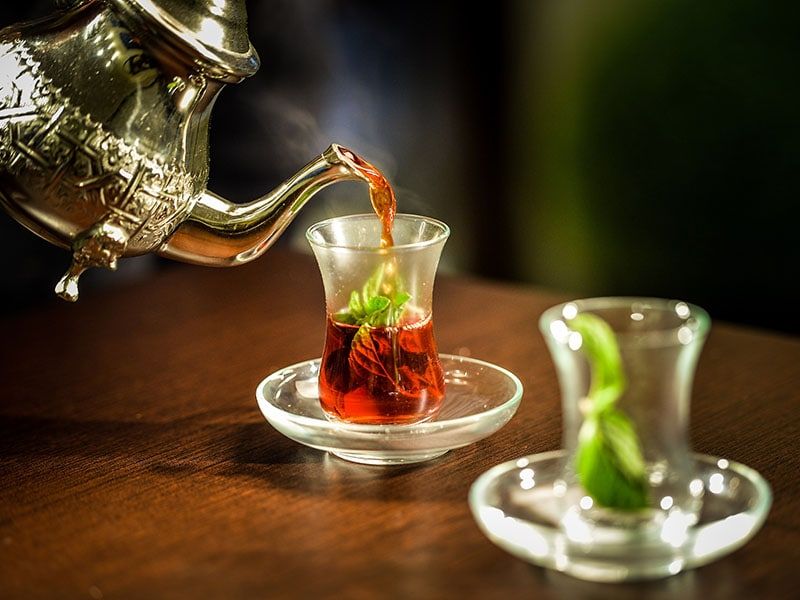
Mint tea is one of the most loved drinks in the Levant. It is made with fresh mint leaves, usually boiled in water or mixed with black tea.
Mint tea has a fresh and cooling taste. Therefore, it is popular in all seasons. People drink it both hot and warm depending on preference.
In addition, it is often served after heavy meals. Many people believe it supports digestion and reduces heaviness in the stomach.
It is usually sweetened with sugar, especially in cafés. However, in some homes, it is served unsweetened for a lighter taste.
Finally, mint tea is also a social drink. It is shared during conversations and family gatherings.
Maramiyeh Tea (Sage Tea)
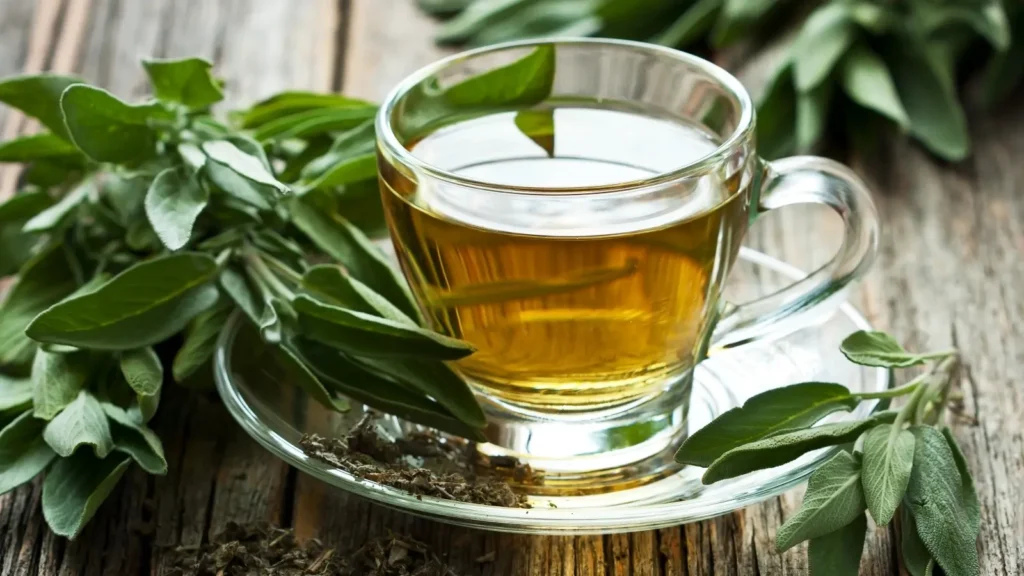
Maramiyeh tea is made from dried sage leaves. It has a strong herbal smell and a slightly bitter taste.
First of all, it is known as a calming drink. Many people drink it in the evening to relax after a long day.
In addition, it is often used during seasonal changes. Families prepare it especially in cold weather.
Moreover, it is commonly served in small cups and sometimes sweetened with honey or sugar. Some prefer it plain to keep its natural strength.
Because of its strong flavor, it is usually sipped slowly rather than drunk quickly.
Zaatar Barri Tea (Wild Thyme Tea)
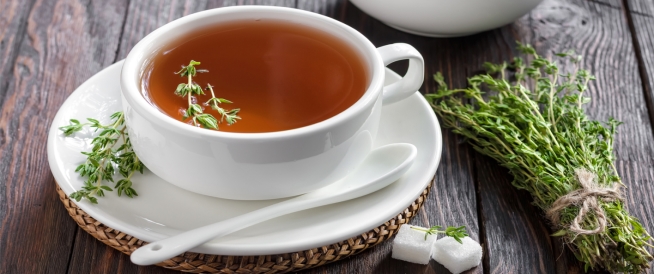
Zaatar barri means wild thyme, and it is different from the za’atar spice used in food. It grows naturally in mountain areas and is collected, dried, and used for tea.
Wild thyme tea has a strong, aromatic, and slightly bitter flavor. It is warming and earthy.
In traditional culture, it is often associated with winter. People drink it during cold weather or when they feel unwell.
In addition, it is commonly prepared simply with hot water. Sometimes honey is added to soften the taste.
It is also part of older herbal traditions where plants are used for comfort and seasonal wellness.
Tea with Milk (Levantine Style)
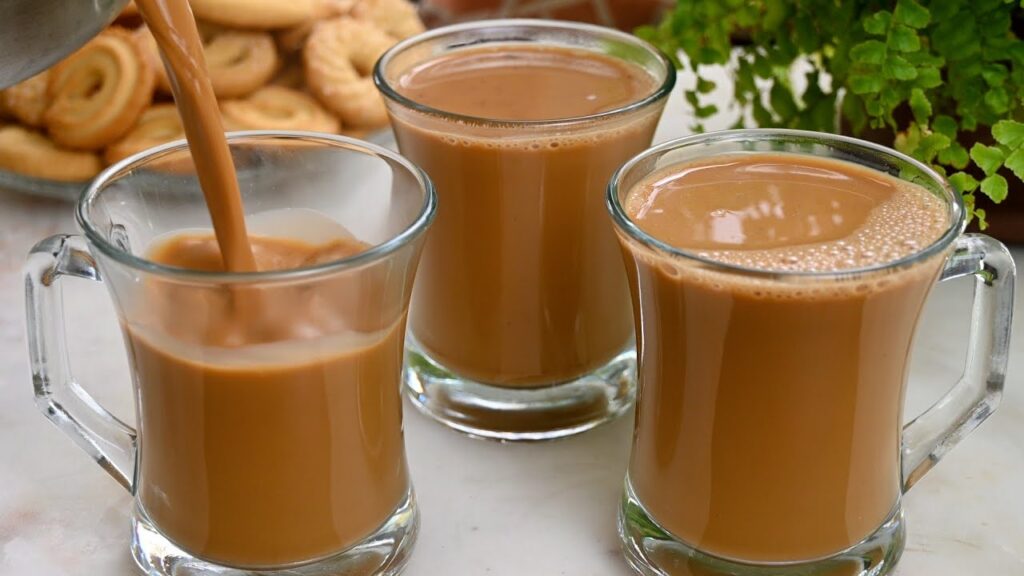
Tea with milk is a warm and comforting variation of traditional tea enjoyed in some Levantine homes. It is made by combining black tea or herbal infusions with hot milk, creating a softer and creamier drink.
First of all, it is known as a relaxing drink. Many people enjoy it in the evening or before sleep because it feels warm and calming.
In addition, it is often prepared during cold weather. Families drink it to feel comfort and warmth, especially in winter nights.
Moreover, it can be made in different ways. Some people mix black tea with milk, while others prefer adding herbs like chamomile or sage for a lighter herbal version. Sometimes it is sweetened with sugar or honey.
Because of its smooth texture and mild taste, it is usually enjoyed slowly, as a comfort drink rather than a strong tea.
Herbal Tea and Levantine Lifestyle
Finally, herbal tea is more than a drink. It is part of daily life structure.
For example, mornings often begin with tea. Afternoons include tea breaks. Evenings end with herbal infusions before sleep.
Similarly, tea is always present in social life. It is shared during visits, conversations, and family gatherings.
Therefore, mint, maramiyeh, and wild thyme teas represent more than herbs. They represent comfort, nature, and connection in Levantine culture.