


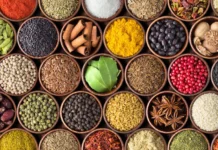
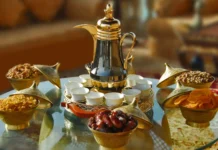

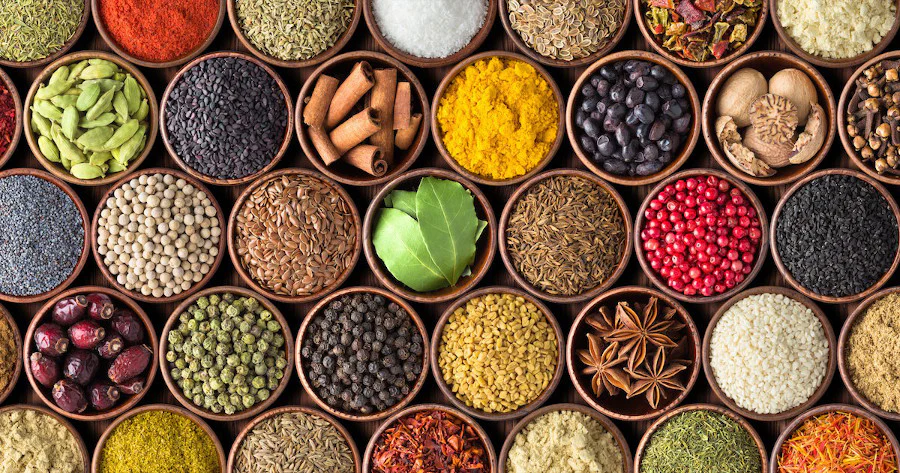
Spices are at the heart of Levantine cooking. They do more than add flavor. They also carry memory, identity, and tradition. In fact, every kitchen in the Levant keeps spices as a daily essential.
From Damascus to Beirut, Amman, and Jerusalem, people use spices every day. As a result, simple food becomes rich and full of aroma.
The Role of Spices in Daily Cooking
First of all, spices are not optional in Levantine cuisine. They are essential. Without them, many dishes feel incomplete.
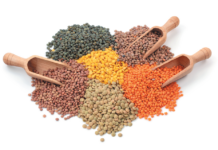
In addition, spice blends help define the identity of each meal. For example, cumin is used in lentils, while sumac is used in salads and meats.
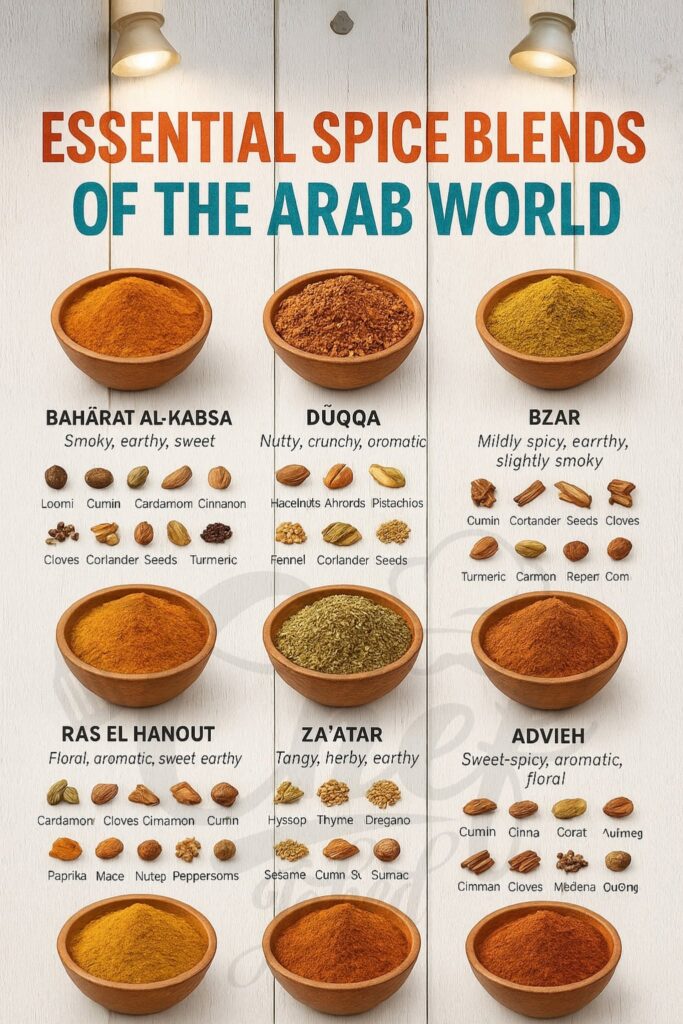
Essential Spice Blends
Moreover, Levantine kitchens depend on a few key spice mixes:
- Za’atar – used with olive oil for breakfast
- Baharat (Seven spices) – used in rice and meat dishes
- Sumac – adds a sour and fresh taste
- Cumin – gives warmth to beans and stews
- Allspice – adds depth to cooked meals
Together, these spices create balance and richness in food.
How Spices Are Used Every Day
For instance, breakfast often includes za’atar with bread and olive oil. At lunch, spices like cumin and baharat are added to rice dishes.
Similarly, dinner meals use spices for stews, grilled meat, and vegetables. Because of this, flavor stays important in every meal of the day.
Tradition Passed Through Generations
In many families, spice knowledge is not written down. Instead, it is learned from parents and grandparents.
As a result, cooking becomes personal. People learn by taste, smell, and experience.
More Than Flavor
Finally, spices are more than ingredients. They are memories. The smell of cinnamon or cumin can remind people of home.
Therefore, spice culture in the Levant is not only about food. It is about identity, family, and tradition.ugh everyday meals