



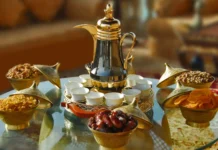




In Levantine culture, coffee is not merely a beverage; it is a cultural practice that plays a significant role in establishing and maintaining social relationships. Present in nearly every aspect of daily life, coffee is widely regarded as a fundamental symbol of hospitality and respect.
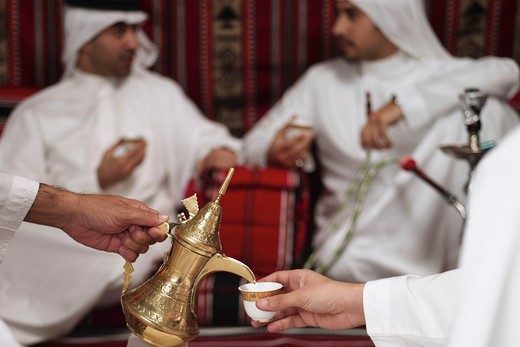
The act of serving coffee functions as a form of non-verbal communication between individuals. Offering a cup of coffee to a guest conveys a message of welcome, while also reflecting the host’s appreciation and respect. In this sense, coffee serves as a social tool that strengthens interpersonal connections.
Importantly, this cultural practice is not limited to moments of joy. In Levant societies, coffee also holds a central place in times of mourning. During condolence gatherings, serving coffee symbolizes solidarity, empathy, and collective support. This highlights that coffee is not simply a daily habit, but a meaningful social symbol embedded within the culture.
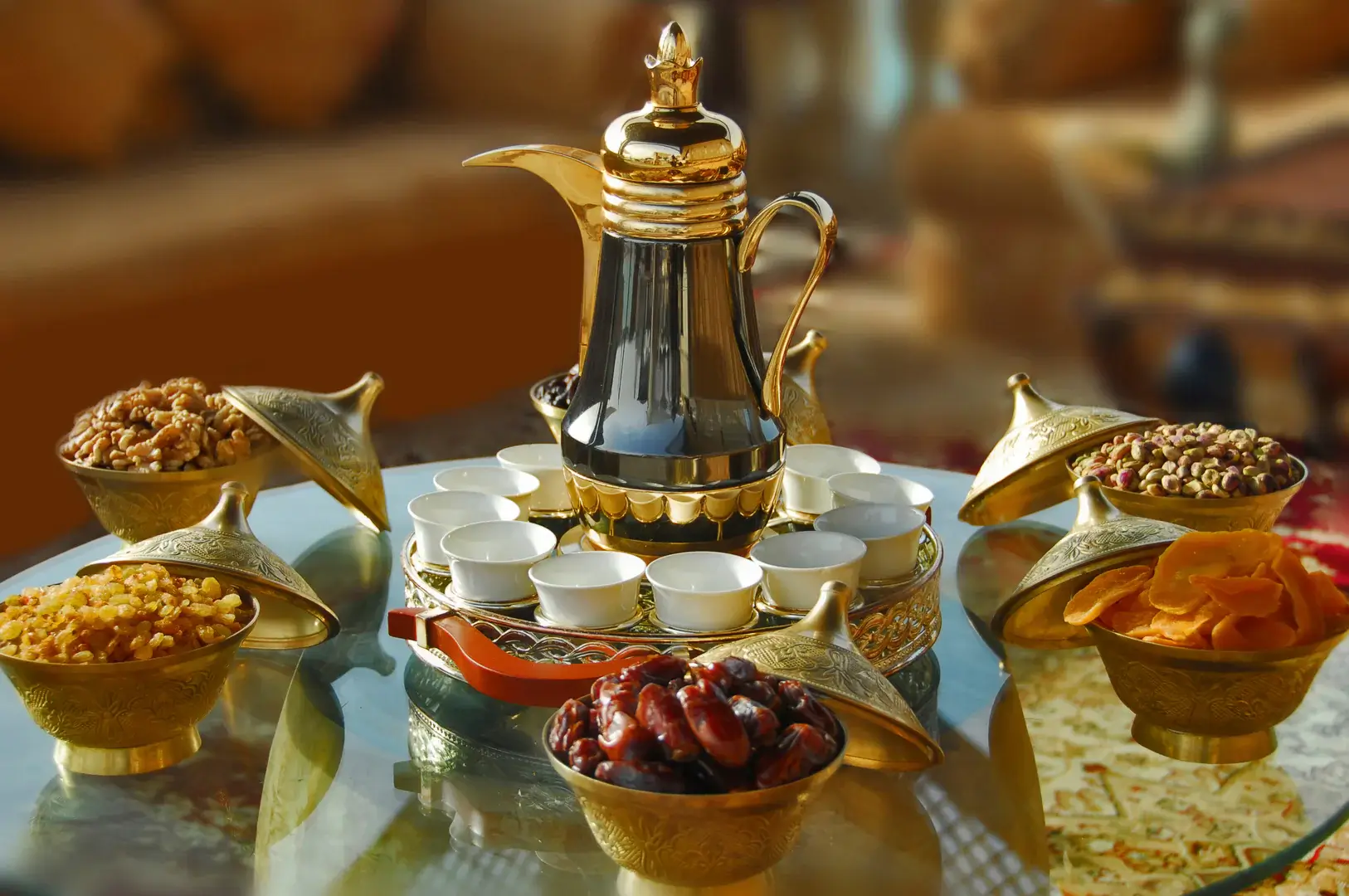
The ritual of serving coffee carries its own structure and significance. It is typically presented in small cups, served slowly, and follows a certain order. These elements reflect the depth of the tradition and create a space where individuals can come together, communicate, and share time.
In conclusion, coffee in Levantine culture functions as a powerful social element that reinforces relationships, promotes solidarity, and preserves cultural continuity. Present in both joy and sorrow, this tradition remains a strong representation of shared values within the society.
Ingredients
- 2 cups water
- 2–3 tablespoons finely ground Arabic coffee (light roast, cardamom mixed or plain)
- 3–5 crushed cardamom pods (or 1 tsp cardamom powder)
- Optional: a few saffron strands or cloves
- No sugar (traditional) — sugar is usually served separately
Steps
- Boil the water
Put water in a small pot (dallah if you have it) and bring it to a boil. - Add coffee
Lower the heat and add the Arabic coffee powder. - Simmer gently
Let it simmer on low heat for about 10–15 minutes. Don’t stir too much. - Add cardamom
Add crushed cardamom (and saffron or cloves if you like). Let it sit for 2–3 minutes. - Rest and settle
Turn off the heat and let the coffee grounds settle at the bottom for a few minutes. - Serve
Pour slowly into small cups without shaking the pot so the grounds stay down.
Tips
- Arabic coffee is usually light in color, not dark like espresso.
- Serve it with dates for the traditional experience.
- In many Gulf traditions, you serve only a small amount (half cup or less).