

If Palestine had a scent, it would be the aroma of onions caramelizing in fresh olive oil, dusted with the sharp, purple tang of sumac. This is the essence of Musakhan, a dish that is far more than just a meal—it is a celebration of the land’s most precious gift: the olive tree.
The Ritual of the “New Oil”
The story of Musakhan begins in the rugged hills of Jenin and Tulkarm during the autumn harvest. Traditionally, this dish was created to celebrate the first press of the season’s olive oil, known as “Zait al-Awwal” (the first oil).
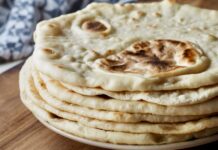
Farmers and their families would gather around the Taboon—a traditional clay oven fueled by dried olive wood. They would take thick, hand-stretched dough and bake it directly on hot smooth stones. To test the quality and acidity of the new oil, they would drench this fresh bread in it. If the oil was pure and low in acidity, you could eat your fill without feeling “heavy.” This “quality test” eventually evolved into the masterpiece we know today.
The Three Pillars of Perfection
To understand Musakhan, you must understand its three humble components:
- The Liquid Gold (Olive Oil): Authentic Musakhan requires an almost “excessive” amount of extra virgin olive oil. It isn’t just an ingredient; it’s the cooking medium for the onions, the soak for the bread, and the soul of the dish.
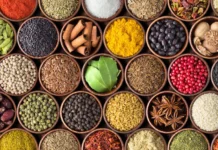
- The Crimson Spice (Sumac): Those deep purple flakes aren’t just for color. Sumac is a wild berry that grows across the Levant. Its sharp, lemony acidity cuts through the richness of the olive oil, creating a perfect flavor balance.
- The Onion Confit: This is where the magic happens. We slow-cook mounds of sliced onions in olive oil until they lose their bite and transform into a sweet, buttery “jam” that melts into the bread.
A Dish Meant for Sharing
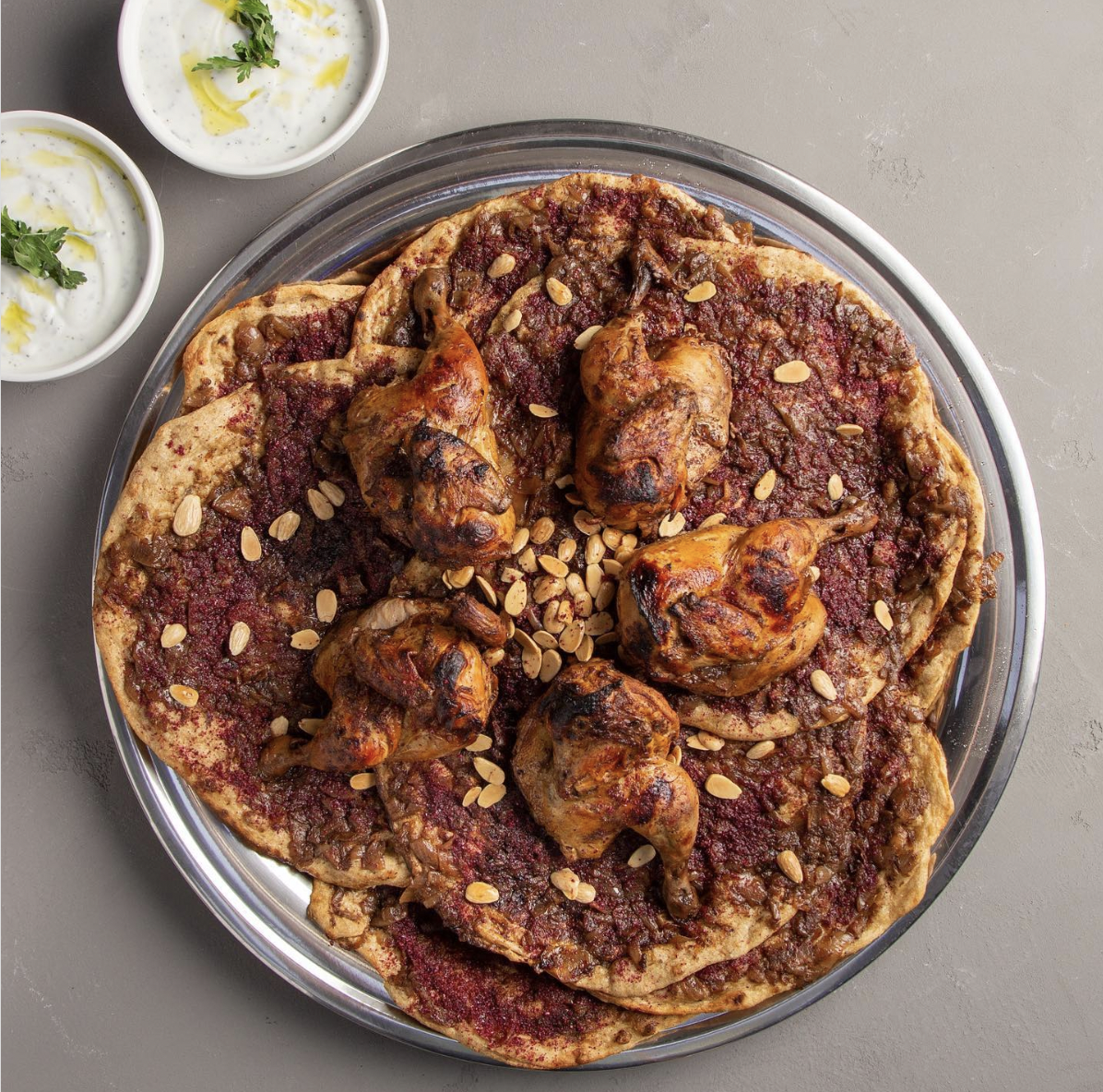
Musakhan is never a “solo” meal. Historically, it was served on large communal platters, with layers of oil-soaked bread stacked high, topped with roasted chicken and toasted pine nuts or almonds.
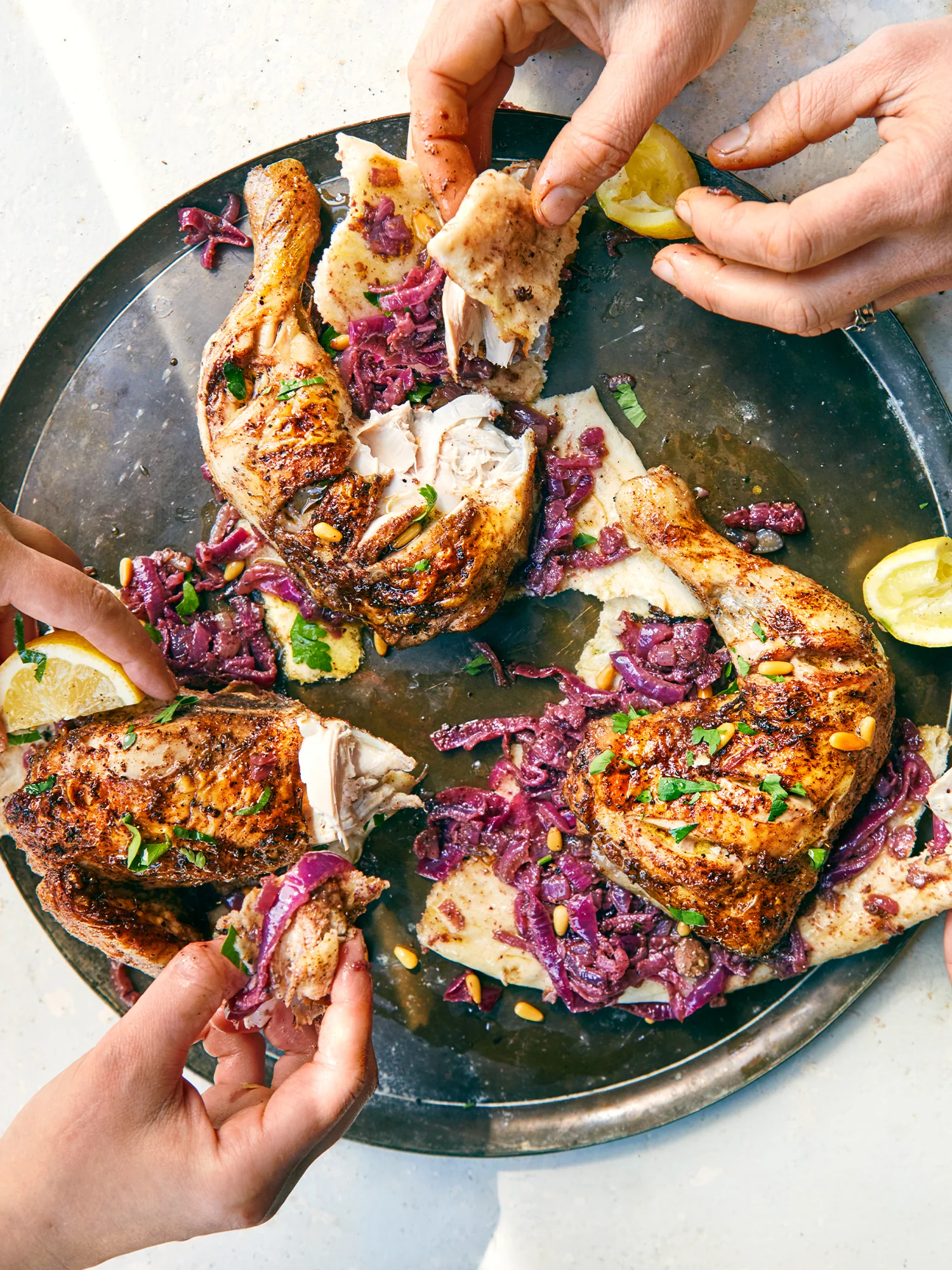
Eating it is a sensory experience. You don’t use a fork and knife; you use your hands to tear the tender bread, wrapping it around a piece of chicken and a heap of sweet onions. It’s messy, it’s vibrant, and it’s a reminder that the best food comes from the simplest traditions.
Quick Tips for the Authentic Version:
- Don’t skimp on the oil: It’s the “sauce” of the dish.
- The Bread Matters: If you can’t find Taboon bread, use a thick, porous flatbread that can absorb the juices without falling apart.
- The Finish: Always add a squeeze of fresh lemon and a handful of toasted nuts for that essential crunch.
The Modern Twist: Musakhan Rolls (The “Saj” Revolution)
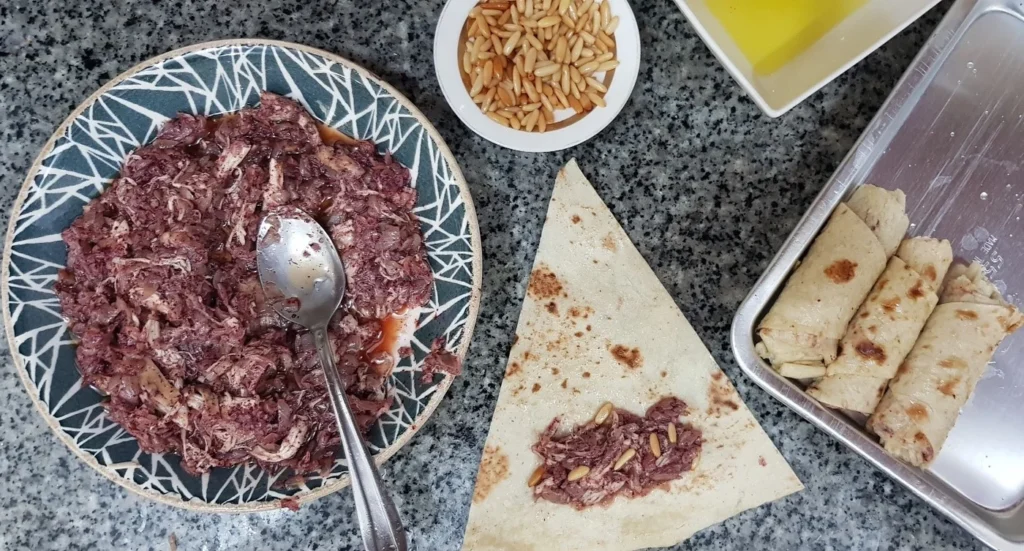
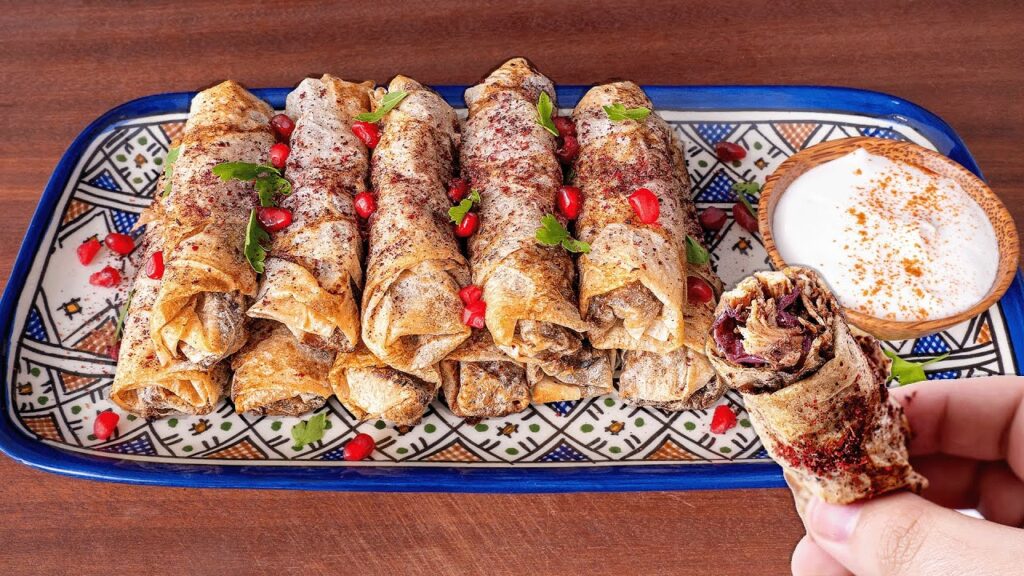
“While the traditional stacked Musakhan remains the soul of Palestinian hospitality, the modern Musakhan Roll has taken the Levant’s flavors to the global stage. This contemporary evolution reimagines the classic components—sumac-stained chicken and buttery onions—neatly tucked into thin, delicate Saj or Markook bread. Brushed with premium olive oil and toasted until golden and shatteringly crisp, these ‘handheld treasures’ offer the same explosion of earthy flavors in a refined, bite-sized form. Perfect as a sophisticated appetizer or a vibrant party snack, Musakhan rolls prove that even the most ancient traditions can adapt, making the ‘Gold of Palestine’ accessible for today’s fast-paced, urban lifestyle without losing a drop of its rustic heart.”