


Ana Sayfa Blog Sayfa 2

Maamoul – Traditional Date-Filled Middle Eastern Cookies

0

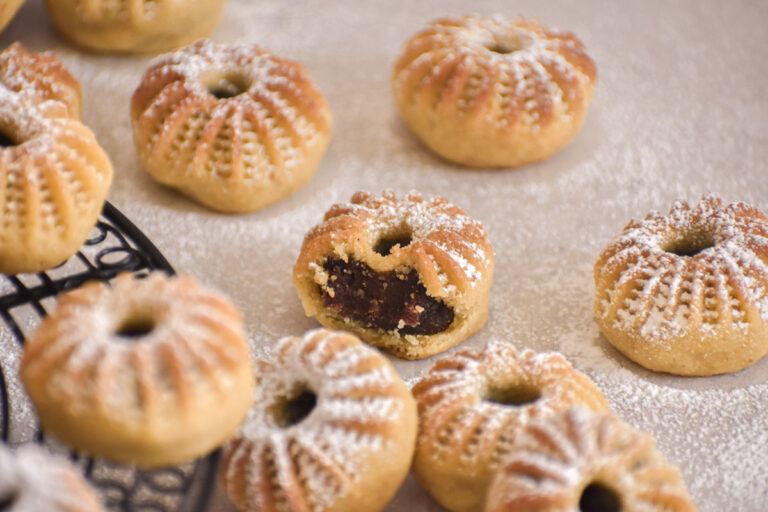
Maamoul is a beloved Middle Eastern dessert made from delicate semolina pastry filled with dates, walnuts, or pistachios. These traditional cookies are especially popular during religious holidays and family celebrations, but they are enjoyed year-round throughout the Levant.

Known for their beautiful carved patterns and buttery texture, Maamoul cookies are a symbol of hospitality and tradition. Each cookie is carefully shaped using special wooden molds, giving it a distinctive appearance and making it one of the most recognizable desserts in Middle Eastern cuisine.

Ingredients

For the Dough

  • 3 cups fine semolina
  • 1 cup all-purpose flour
  • 1 cup unsalted butter, melted
  • 1/4 cup sugar
  • 1/2 cup milk
  • 1 tsp orange blossom water
  • 1 tsp rose water

For the Date Filling

  • 2 cups date paste
  • 1 tbsp butter
  • 1/2 tsp cinnamon (optional)

For Garnish

  • Powdered sugar (optional)

Directions

1In a large bowl, combine the semolina, flour, and melted butter. Mix well and let rest for several hours or overnight.

2Add the sugar, milk, orange blossom water, and rose water. Mix until a soft dough forms.
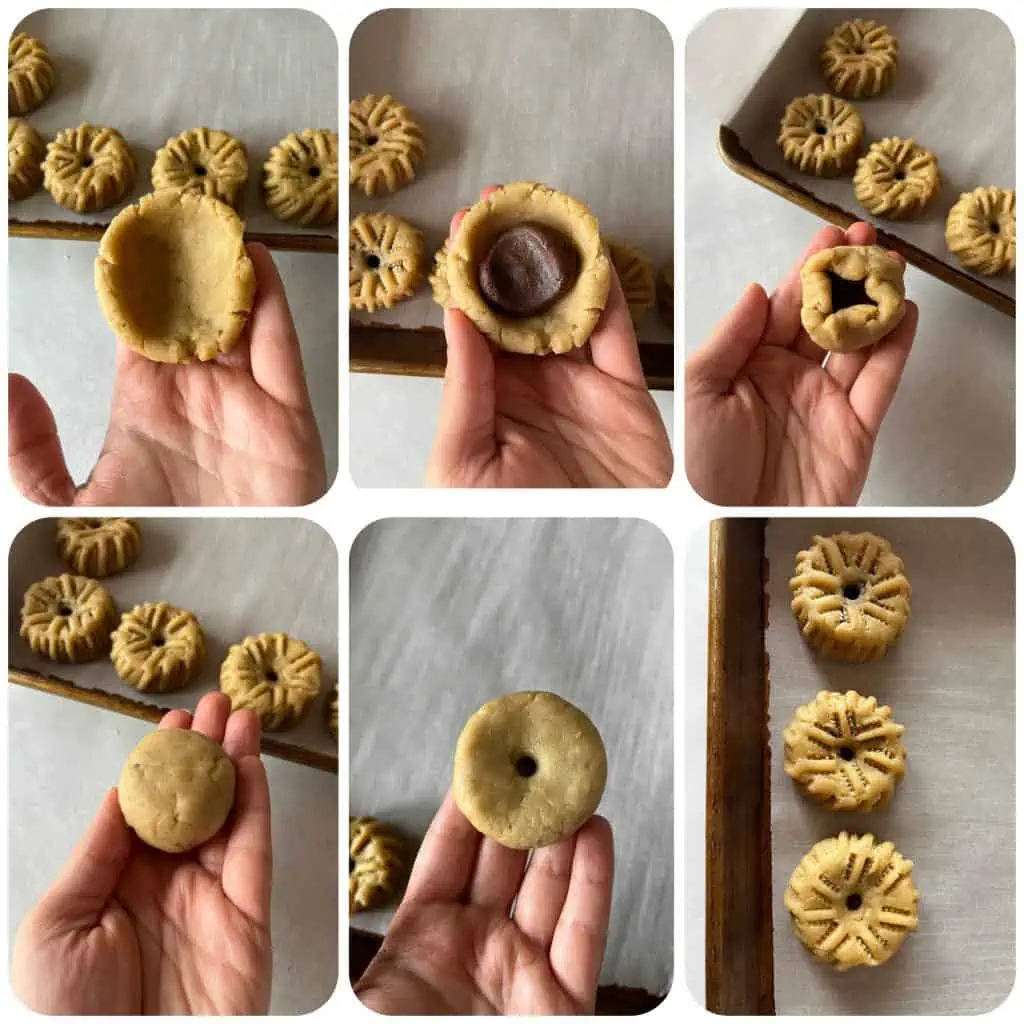
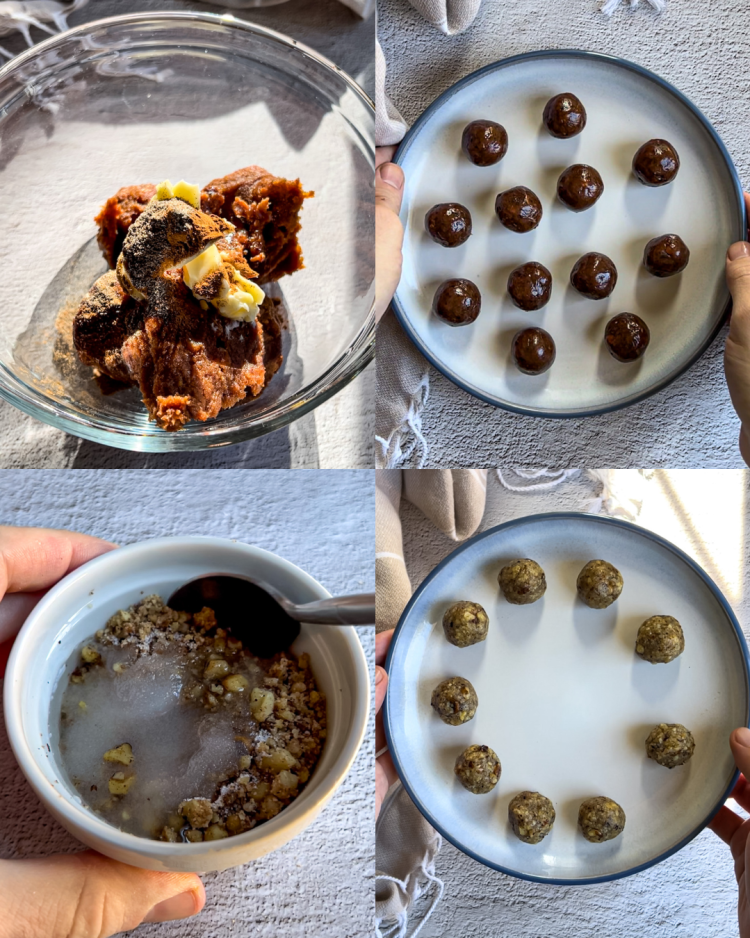
3Prepare the filling by combining the date paste with butter and cinnamon.

Divide the dough into small portions and flatten each piece in your hand.
4Place a small amount of filling in the center and seal the dough around it.

5Press the filled dough into a Maamoul mold to create decorative patterns.

6Arrange the cookies on a baking tray and bake at 180°C (350°F) for 15–20 minutes until lightly golden.

7Allow to cool completely before serving.

8Dust with powdered sugar if desired.

What Does Maamoul Taste Like?

Maamoul has a tender, buttery texture that melts in your mouth. The sweet date filling provides a rich caramel-like flavor, while the semolina dough adds a delicate crumb. Variations with walnuts or pistachios offer a nutty and aromatic alternative.

Why Is Maamoul So Popular?

Maamoul is deeply connected to Levantine traditions and celebrations. Families often gather to prepare large batches together before holidays, making the process as meaningful as the dessert itself. Its combination of simple ingredients, beautiful presentation, and rich flavor has made Maamoul a cherished dessert for generations.
Video

Rice Pudding (Roz b 7alib) – Traditional Middle Eastern Dessert

0

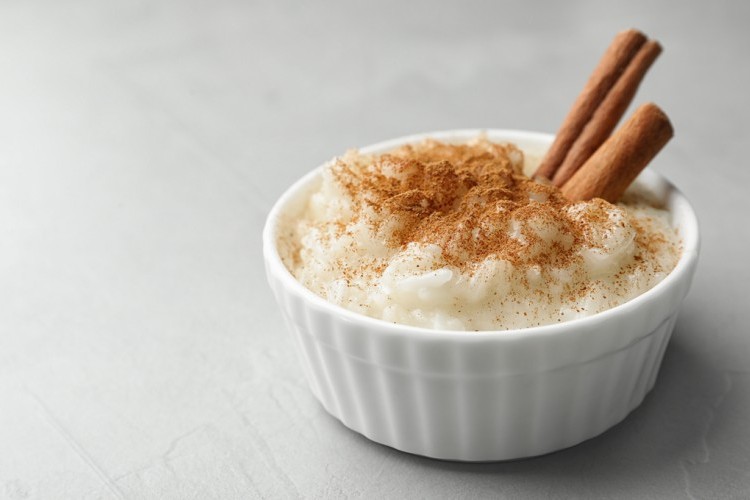
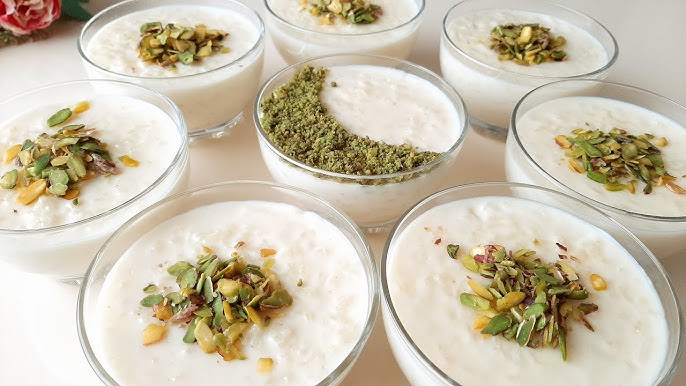
Rice Pudding, known as Roz Bel Laban in Arabic, is a classic Middle Eastern dessert loved for its creamy texture, delicate sweetness, and comforting flavor. Found in homes and dessert shops throughout the Levant, Egypt, and the wider Middle East, it is often served chilled and topped with nuts and cinnamon.

Made with simple ingredients such as rice, milk, and sugar, this dessert transforms everyday staples into a rich and satisfying treat. Its smooth consistency and subtle flavor make it a favorite for both children and adults.

Ingredients

  • 1/2 cup short-grain rice
  • 4 cups whole milk
  • 1/2 cup sugar
  • 1 tsp vanilla extract
  • 1 tbsp cornstarch (optional, for a thicker texture)
  • 2 tbsp water
  • Ground cinnamon for garnish
  • Crushed pistachios or almonds for garnish

Directions

1Rinse the rice thoroughly under cold water.

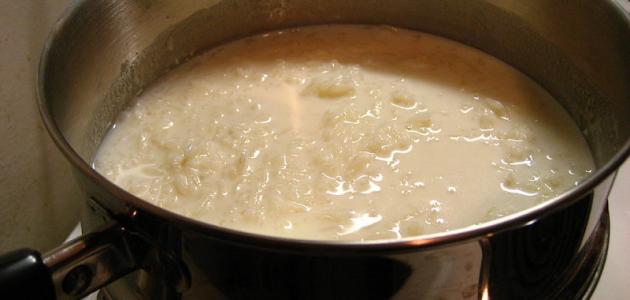
2In a saucepan, combine the rice with 1 cup of water and cook until most of the water has been absorbed.

3Add the milk and stir well. Simmer over low heat for 25–30 minutes, stirring occasionally.

4Add the sugar and vanilla extract and continue cooking until the mixture becomes creamy.

5Add the sugar and vanilla extract and continue cooking until the mixture becomes creamy.

6Pour the pudding into serving bowls and allow it to cool.

What Does Rice Pudding Taste Like?

Rice Pudding has a smooth, creamy texture with a delicate sweetness that is not overpowering. The milk creates a rich base, while the rice adds body and comfort. Topped with cinnamon and nuts, it offers a perfect balance of flavor and texture.

Why Is Rice Pudding So Popular?

Rice Pudding has been enjoyed across the Middle East for generations because it is simple, affordable, and comforting. It can be served year-round, whether as a light dessert after a family meal or as a refreshing treat during warm summer days. Its timeless appeal and homemade character make it one of the region’s most beloved traditional desserts.

Video

Baklawa – Traditional Middle Eastern Layered Pastry Dessert

0

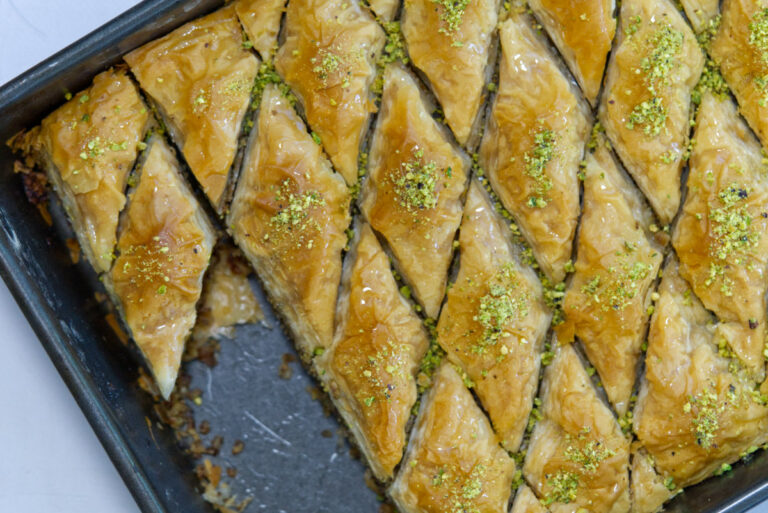
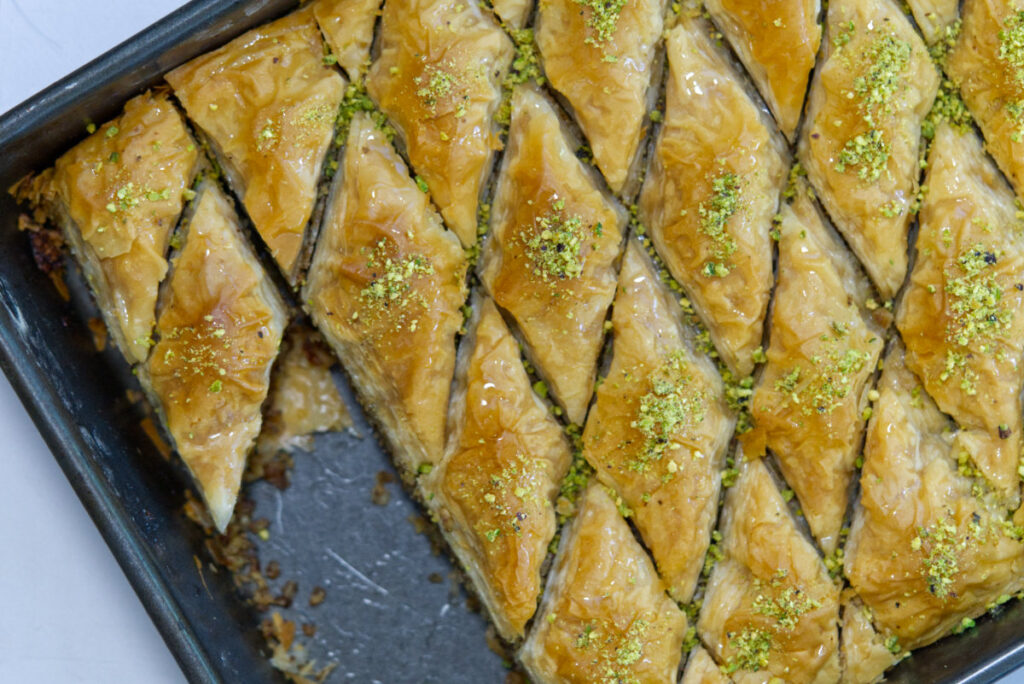
Baklava is one of the most famous desserts in Middle Eastern cuisine, known for its delicate layers of crispy pastry, rich nut filling, and sweet syrup. Popular throughout the Levant, Turkey, and the Mediterranean, baklava is often served during holidays, family gatherings, and special celebrations.
Made with thin sheets of phyllo pastry layered with finely chopped nuts and butter, baklava is baked until golden and crispy before being soaked in a fragrant sugar syrup. The result is a dessert that is crunchy, sweet, and rich in flavor.

Ingredients

For the Baklava

  • 1 package phyllo pastry
  • 2 cups walnuts or pistachios, finely chopped
  • 1 cup unsalted butter, melted
  • 1 tsp ground cinnamon (optional)

For the Syrup

  • 2 cups sugar
  • 1 cup water
  • 1 tbsp lemon juice
  • 1 tsp orange blossom water or rose water (optional)

For Garnish

  • Crushed pistachios
  • Chopped walnuts

Directions

1Preheat the oven to 180°C (350°F).

2Combine the chopped nuts with cinnamon in a bowl.

3Brush a baking dish with melted butter and layer several sheets of phyllo pastry, brushing each layer with butter.

4Spread a thin layer of the nut mixture over the pastry.

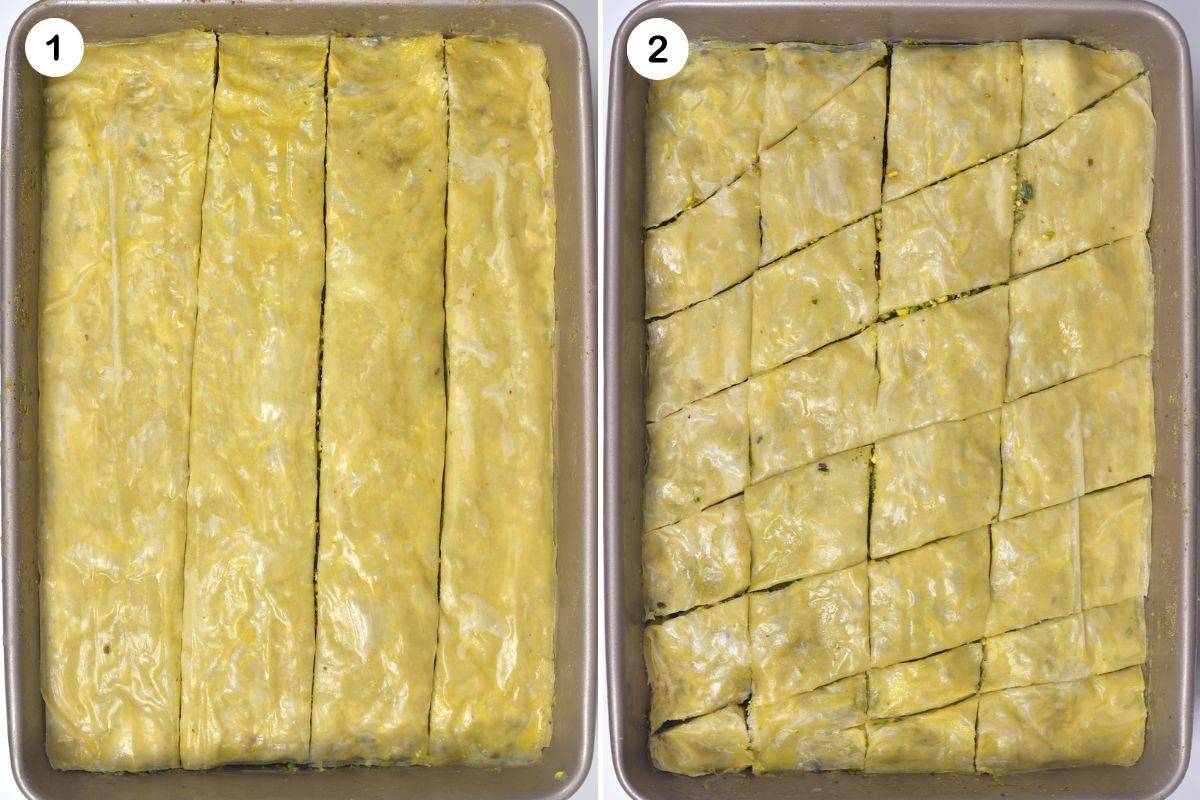
Continue layering pastry and nuts until all ingredients are used, finishing with several layers of buttered phyllo on top.

5Cut the baklava into diamond or square shapes before baking.

6Bake for 35–45 minutes until golden brown and crisp.

7While baking, prepare the syrup by boiling sugar, water, and lemon juice for about 10 minutes. Add orange blossom water if desired and allow to cool.

8Remove the baklava from the oven and immediately pour the cooled syrup over the hot pastry.

9Allow it to rest for several hours before serving.

What Does Baklava Taste Like?

Baklava combines crispy, buttery pastry with a rich nut filling and sweet syrup. Each bite offers layers of texture and flavor, making it one of the most beloved desserts in Middle Eastern cuisine.

Why Is Baklava So Popular?

Baklava has been enjoyed for centuries and remains a staple dessert across the Middle East. Its elegant appearance, rich taste, and long tradition make it a favorite choice for celebrations, holidays, and special occasions. Whether served with coffee or tea, baklava continues to be one of the most iconic sweets in the region.

Video

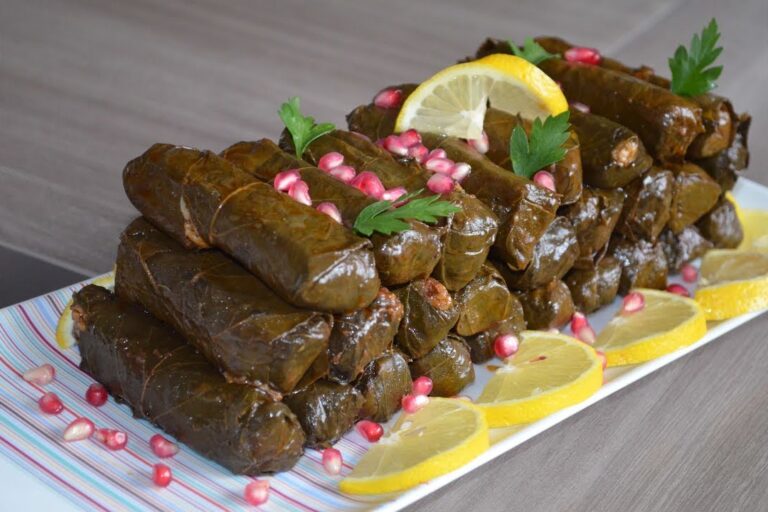
Yalanji (Vegetarian Stuffed Grape Leaves): Authentic Middle Eastern Mezze Recipe

Yalanji is one of the most popular Middle Eastern mezze dishes, especially in Syrian and Levantine cuisine. These delicious vegetarian stuffed grape leaves are known for their tangy, slightly sweet flavor and aromatic rice filling.

If you’re looking for an authentic yalanji recipe or how to make vegetarian stuffed grape leaves at home, this complete guide will help you master it.

What is Yalanji?

Yalanji refers to stuffed grape leaves made without meat, filled instead with rice, herbs, olive oil, and a rich blend of flavors like lemon and sometimes pomegranate molasses.

Unlike other versions of stuffed grape leaves, yalanji is usually served cold and has a brighter, more refreshing taste.

Ingredients

To prepare traditional yalanji, you will need:

  • Grape leaves (fresh or jarred)
  • 1 cup rice
  • 1 onion (finely chopped)
  • Fresh parsley (chopped)
  • Fresh mint (optional)
  • 3–4 tablespoons olive oil
  • 3 tablespoons lemon juice
  • 1 tablespoon pomegranate molasses (optional but recommended)
  • Salt and black pepper
  • Optional: small diced tomatoes

Directions

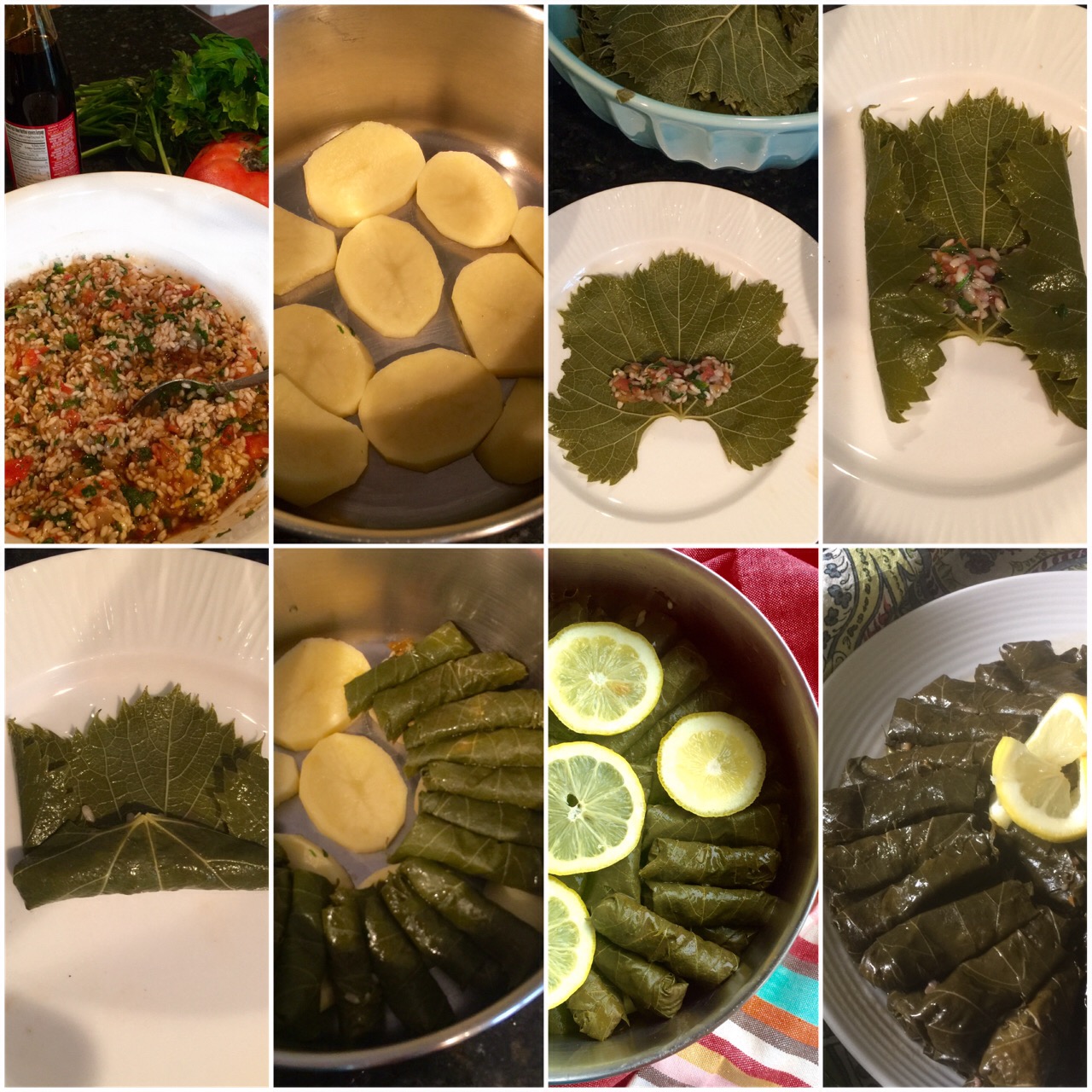
1Prepare the Leaves

Rinse jarred grape leaves to remove salt, or blanch fresh leaves until soft.

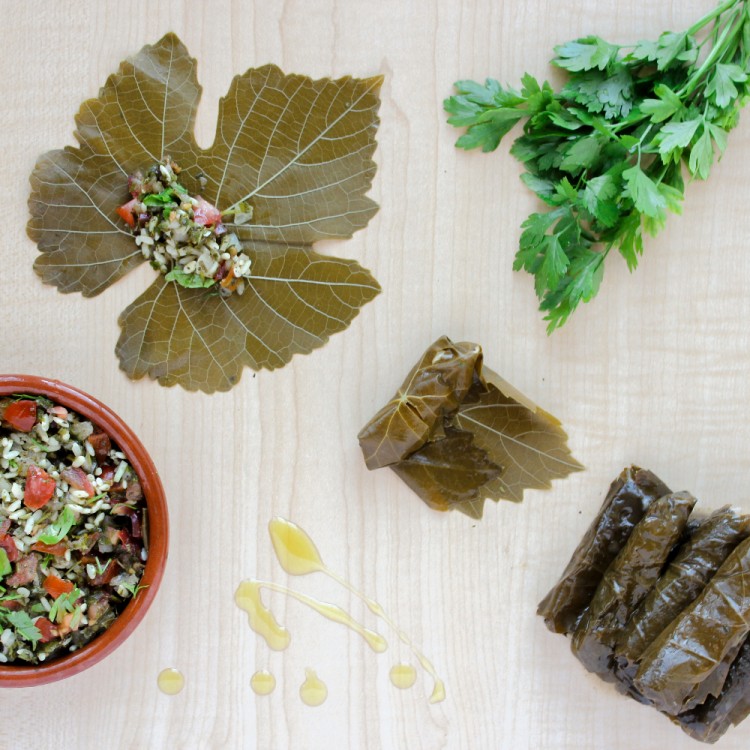
2Prepare the Filling

Mix rice, onion, parsley, mint, olive oil, lemon juice, pomegranate molasses, salt, and pepper.

3Roll the Grape Leaves

Place a small amount of filling in each leaf, fold the sides, and roll tightly.

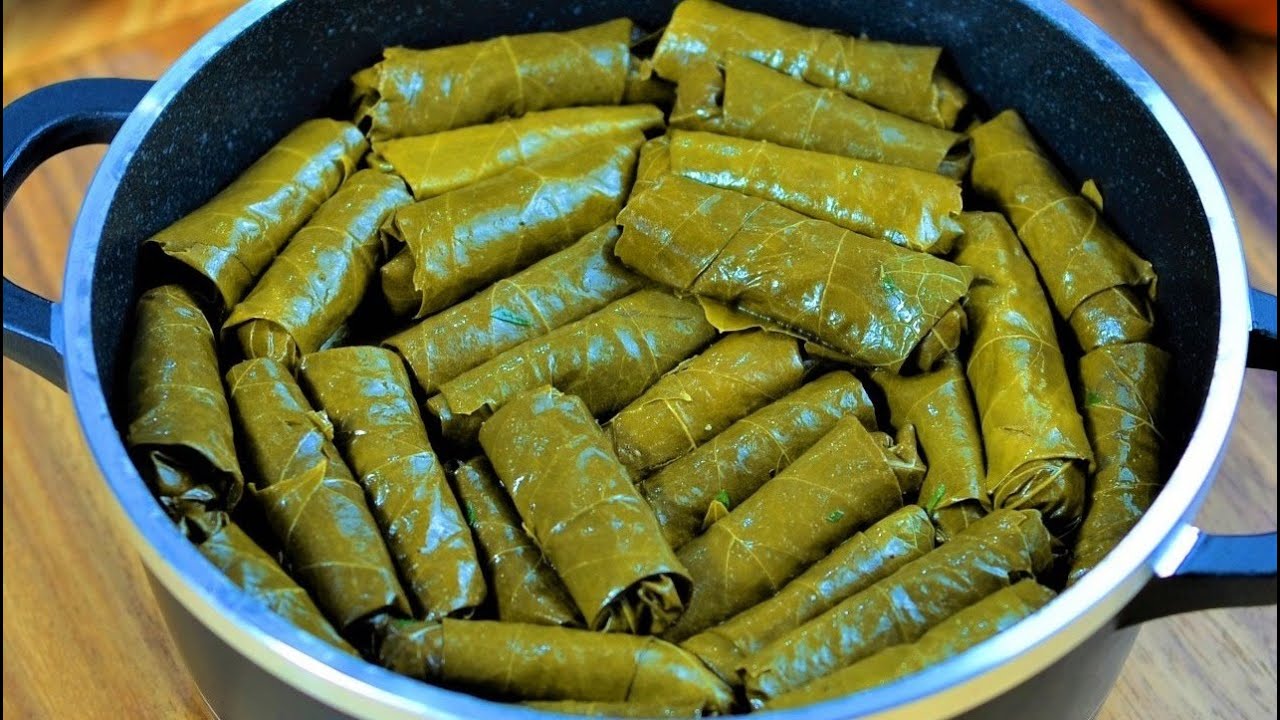
4Arrange in Pot

Place the rolls tightly in a pot, seam side down.

5 Cook Slowly

Add water, olive oil, and lemon juice. Cook on low heat for 30–40 minutes.

6Cool Before Serving

Let the yalanji cool completely before serving for the best taste.

.

Tips for Perfect Yalanji

  • Use plenty of olive oil for rich flavor
  • Add pomegranate molasses for a sweet-sour taste
  • Roll tightly to keep shape
  • Cook slowly on low heat
  • Serve cold for the best experience

How to Serve Yalanji

Yalanji is best served:

  • Cold or at room temperature
  • With lemon slices
  • As part of a mezze platter
  • Alongside hummus, baba ghanoush, and salads

Why Yalanji is So Popular

Yalanji is loved because it is:

  • 100% vegetarian and vegan
  • Light, fresh, and flavorful
  • Perfect for mezze and gatherings
  • A traditional Levantine favorite
  • Easy to prepare in large quantities

Yalanji is a true mezze classic that combines simple ingredients with bold, refreshing flavors. Whether served at a family table or a special gathering, it always brings a taste of tradition and comfort.

Video

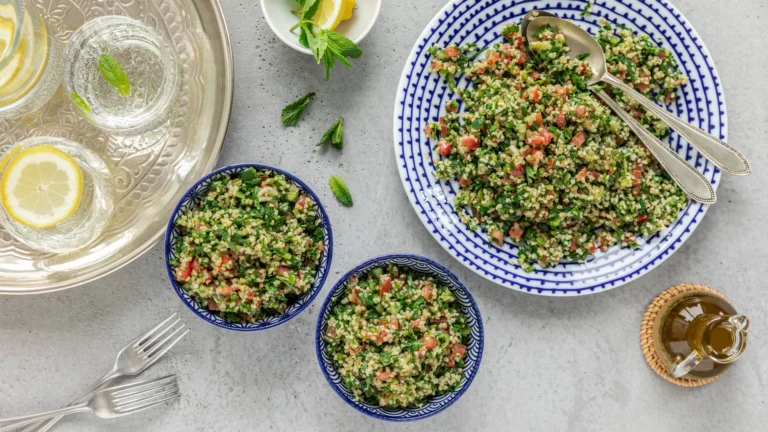
Tabbouleh Salad Recipe: Fresh & Authentic Middle Eastern Parsley Salad

Tabbouleh is one of the freshest and most vibrant dishes in Middle Eastern cuisine. Known for its bright green color, zesty flavor, and healthy ingredients, this parsley-based salad is a staple on every mezze table.

If you’re looking for an authentic tabbouleh recipe or a light and refreshing salad, this guide will show you how to make it perfectly at home.

What is Tabbouleh?

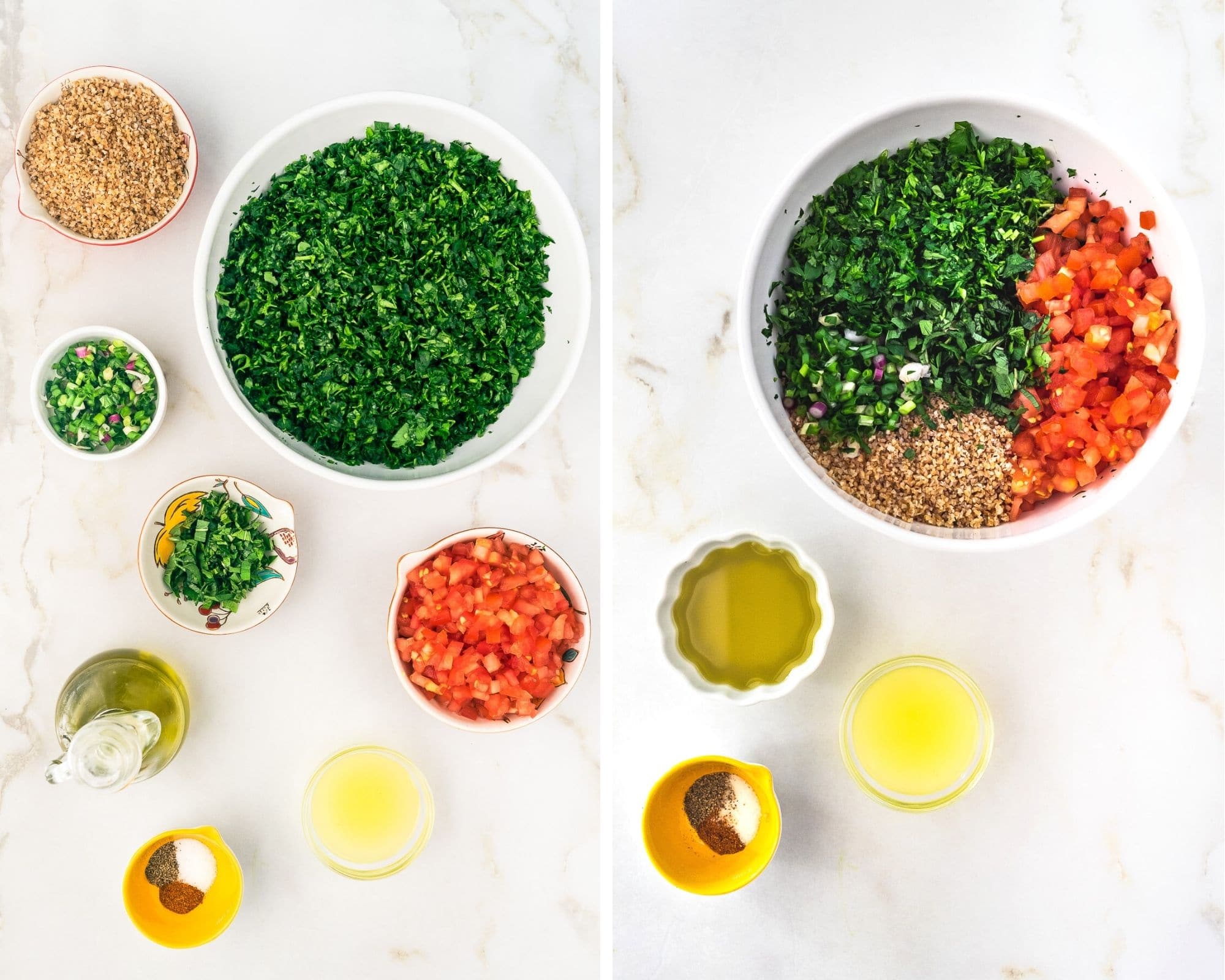
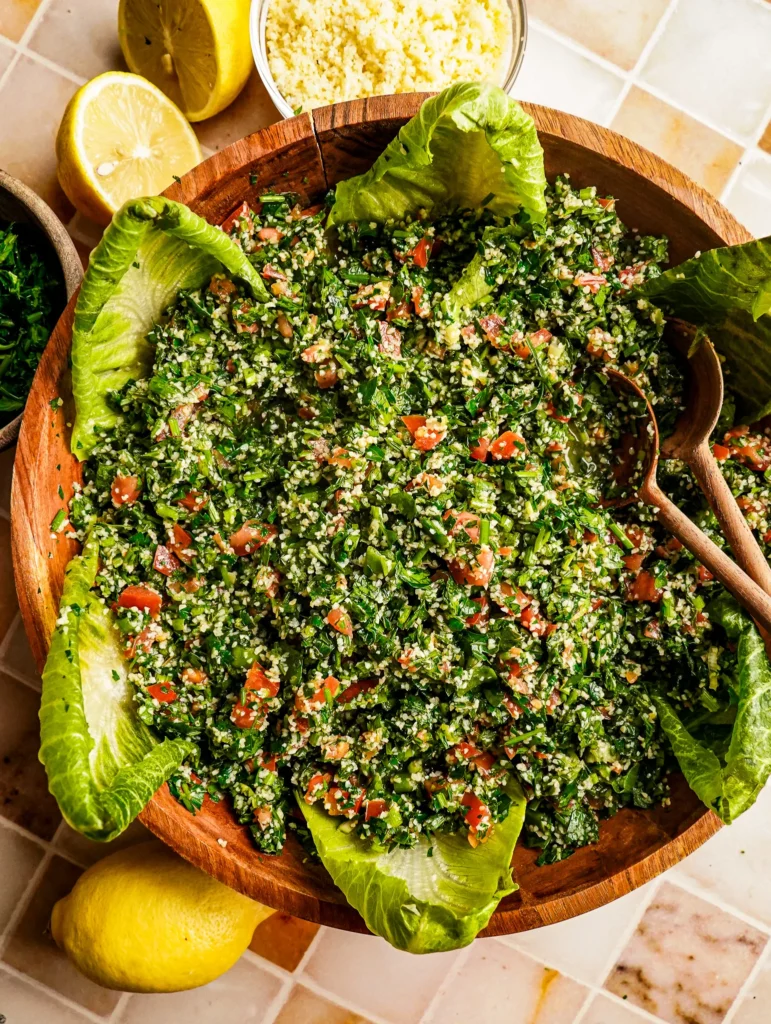
Tabbouleh is a traditional Middle Eastern salad made primarily from finely chopped parsley, tomatoes, bulgur, lemon juice, and olive oil. Unlike many salads, parsley is the main ingredient—not just a garnish.

It is commonly served as part of a mezze platter alongside dishes like hummus, falafel, and baba ghanoush.

Ingredients

To make fresh and flavorful tabbouleh, you’ll need:

  • 2 cups fresh parsley (finely chopped)
  • 1/4 cup bulgur (fine grain)
  • 2 tomatoes (finely diced)
  • 2–3 green onions (chopped)
  • 3 tablespoons lemon juice
  • 3 tablespoons olive oil
  • Salt to taste
  • Optional: fresh mint

Directions

1Soak bulgur in water for 10–15 minutes, then drain well.

Finely chop parsley, tomatoes, and green onions.

.

2Combine all ingredients in a large bowl.

3Pour lemon juice and olive oil, then mix well.

4Let the salad sit for 10–15 minutes before serving for best flavor.

.

Tips for Perfect Tabbouleh

  • Use lots of parsley (this is the main ingredient)
  • Chop ingredients very finely
  • Do not use too much bulgur
  • Balance lemon and olive oil carefully
  • Serve fresh and chilled

How to Serve Tabbouleh

Tabbouleh can be served in many ways:

  • As part of a mezze platter
  • With grilled meats or chicken
  • Inside lettuce leaves as a wrap
  • As a healthy side dish

Why Tabbouleh is So Popular

Tabbouleh is loved worldwide because it is:

  • Fresh and refreshing
  • Healthy and low in calories
  • Rich in vitamins and antioxidants
  • Easy to prepare
  • Naturally vegan

Tabbouleh is the perfect example of how simple ingredients can create something incredibly fresh and delicious. Light, zesty, and full of herbs, it’s a must-have dish for any mezze table.

Video

The Art of Sharing

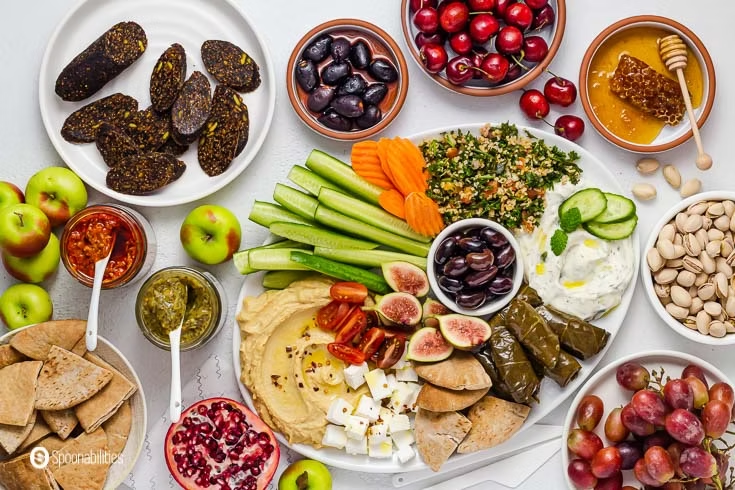
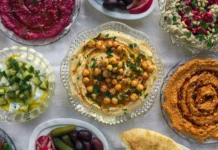
In the Levant, food is not just about eating — it is about sharing. Mezze & appetizers are at the heart of this tradition, bringing people together around a table full of small, flavorful dishes.

These plates are colorful, fresh, and full of variety, creating a rich experience before the main meal even begins.

What is Mezze?

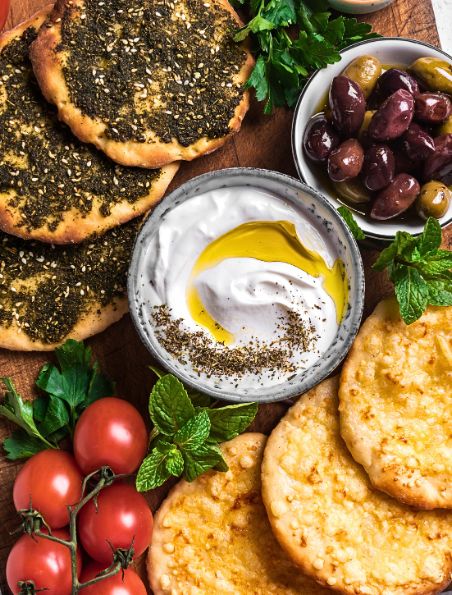
Mezze refers to a selection of small dishes served together. Instead of one plate per person, everyone shares, tastes, and enjoys different flavors at the same time.

Popular Mezze Dishes

Hummus

A creamy blend of chickpeas, tahini, lemon, and garlic — smooth, rich, and essential.

Baba Ghanoush

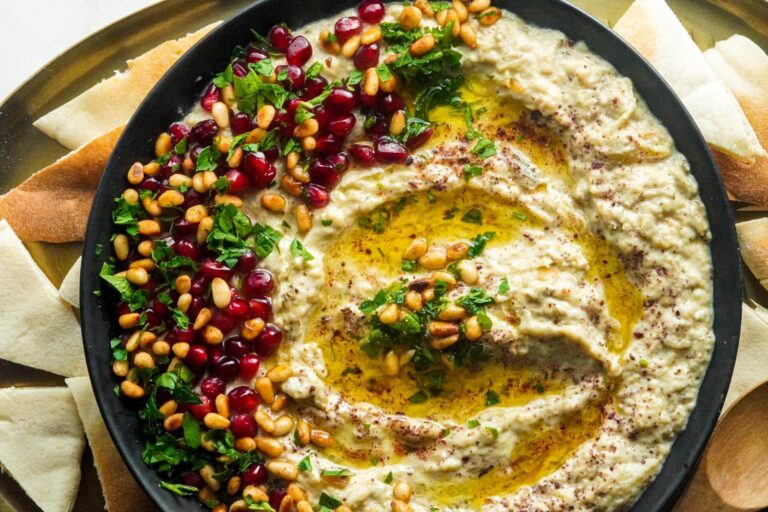
Smoky roasted eggplant mixed with tahini, olive oil, and garlic.

Tabbouleh

A fresh salad made with parsley, bulgur, tomatoes, lemon, and olive oil.

Stuffed Grape Leaves

If a chop is too thin, by the time you’ve seared both sides, the thing is practically overcooked! Choosing a thick chop allows you to get a nice golden sear on both sides and a perfectly cooked tender center.

The Experience

Mezze is about connection. Friends and family gather, dip bread into shared plates, and enjoy long conversations. It is slow, social, and deeply rooted in Levantine culture.
How it’s served

  • With fresh bread (khubz)
  • Alongside olives and pickles
  • Before or with the main dishes

Mezze turns a simple meal into a shared experience. Every dish tells a story, and every table becomes a place of warmth and hospitality.

Video

Baba Ghanoush Recipe: Smoky Roasted Eggplant Dip (Authentic Middle Eastern)

Baba Ghanoush is a classic Middle Eastern dip made from roasted eggplant, tahini, lemon juice, garlic, and olive oil. Known for its smoky flavor and creamy texture, it is one of the most popular mezze dishes served across the Middle East and Mediterranean region.

If you are searching for an authentic baba ghanoush recipe or a simple way to make roasted eggplant dip at home, this guide will help you create the perfect version.

What is Baba Ghanoush?

Baba Ghanoush is a traditional dip made by roasting or grilling eggplant until soft and smoky, then mashing it with tahini, lemon juice, garlic, and olive oil.

It is usually served cold as part of a mezze platter with pita bread and fresh vegetables.

Ingredients

To make a rich and smoky baba ghanoush, you need:

  • 2 medium eggplants
  • 2–3 tablespoons tahini
  • 2 tablespoons lemon juice
  • 1–2 garlic cloves (minced)
  • 2 tablespoons olive oil
  • Salt to taste
  • Optional: parsley for garnish
  • Optional: paprika for topping

Directions

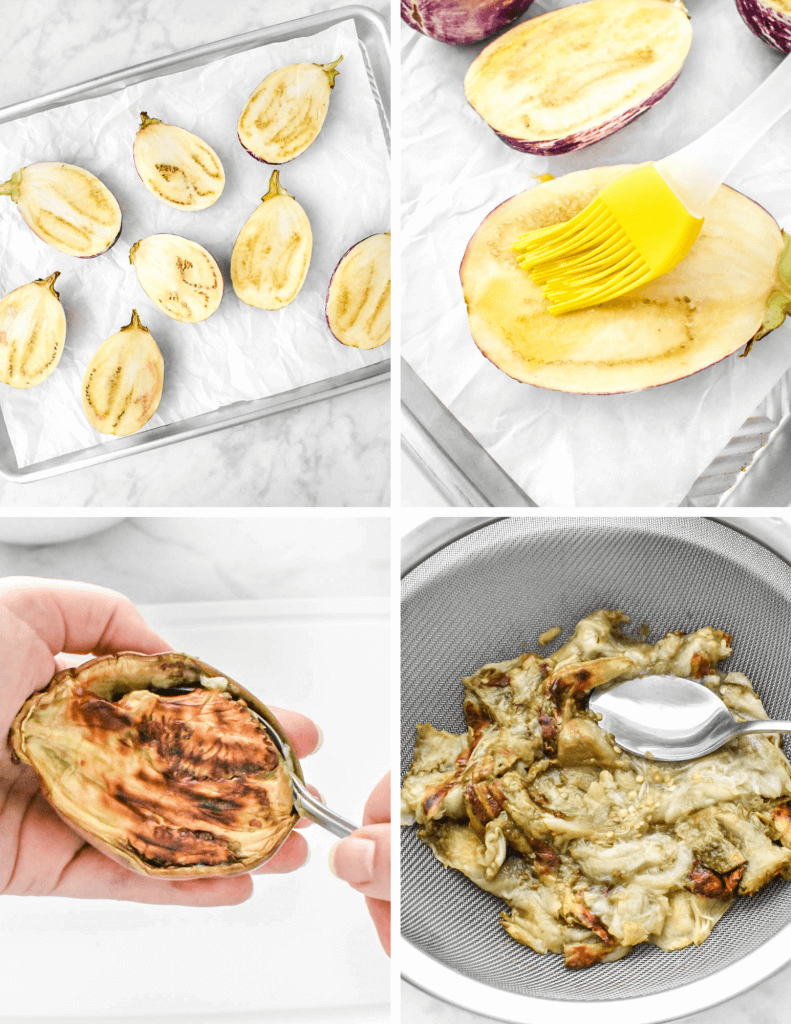
1Place eggplants directly on a flame, grill, or oven and roast until the skin is charred and the inside is very soft.out 5 minutes.

Let the eggplants cool, peel off the skin, and drain excess liquid.

2Mash the roasted eggplant or blend it for a smoother texture.

3Add tahini, lemon juice, garlic, and salt, then mix well.

4Transfer to a plate and drizzle olive oil on top. Add parsley or paprika if desi

.

.

Tips for Perfect Baba Ghanoush

  • Roast eggplant until fully smoky for best flavor
  • Drain excess water to avoid a watery texture
  • Adjust lemon and tahini balance to taste
  • For extra creaminess, blend instead of mashing
  • Serve chilled for the best experience

How to Serve Baba Ghanoush

Baba Ghanoush is commonly served as part of a mezze spread:

  • With warm pita bread
  • Alongside hummus, falafel, and salads
  • As a dip for vegetables
  • As a side dish for grilled meats

Why Baba Ghanoush is Special

Baba Ghanoush is loved because it is:

  • Naturally vegan and healthy
  • Rich in smoky, roasted flavor
  • Simple and budget-friendly
  • Part of traditional Middle Eastern cuisine
  • Perfect for sharing and gatherings

Baba Ghanoush is a timeless Middle Eastern dish that combines simplicity with deep, smoky flavor. Whether you enjoy it as part of a mezze platter or as a healthy dip, it always brings warmth and tradition to the table.

Video

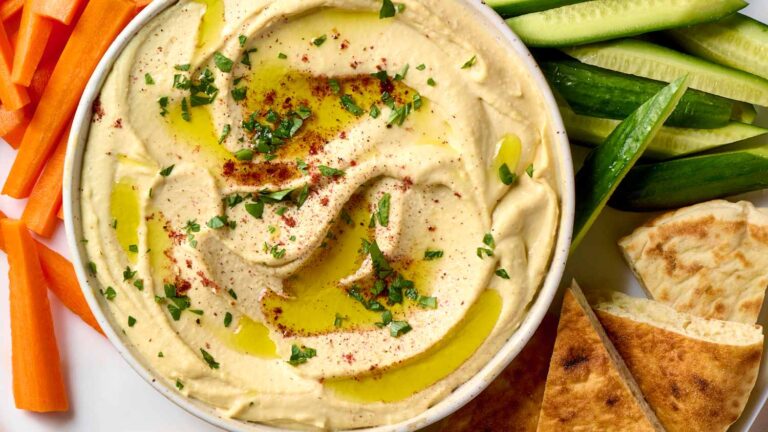
Hummus Recipe: Creamy, Authentic Middle Eastern Dip (Easy Guide)

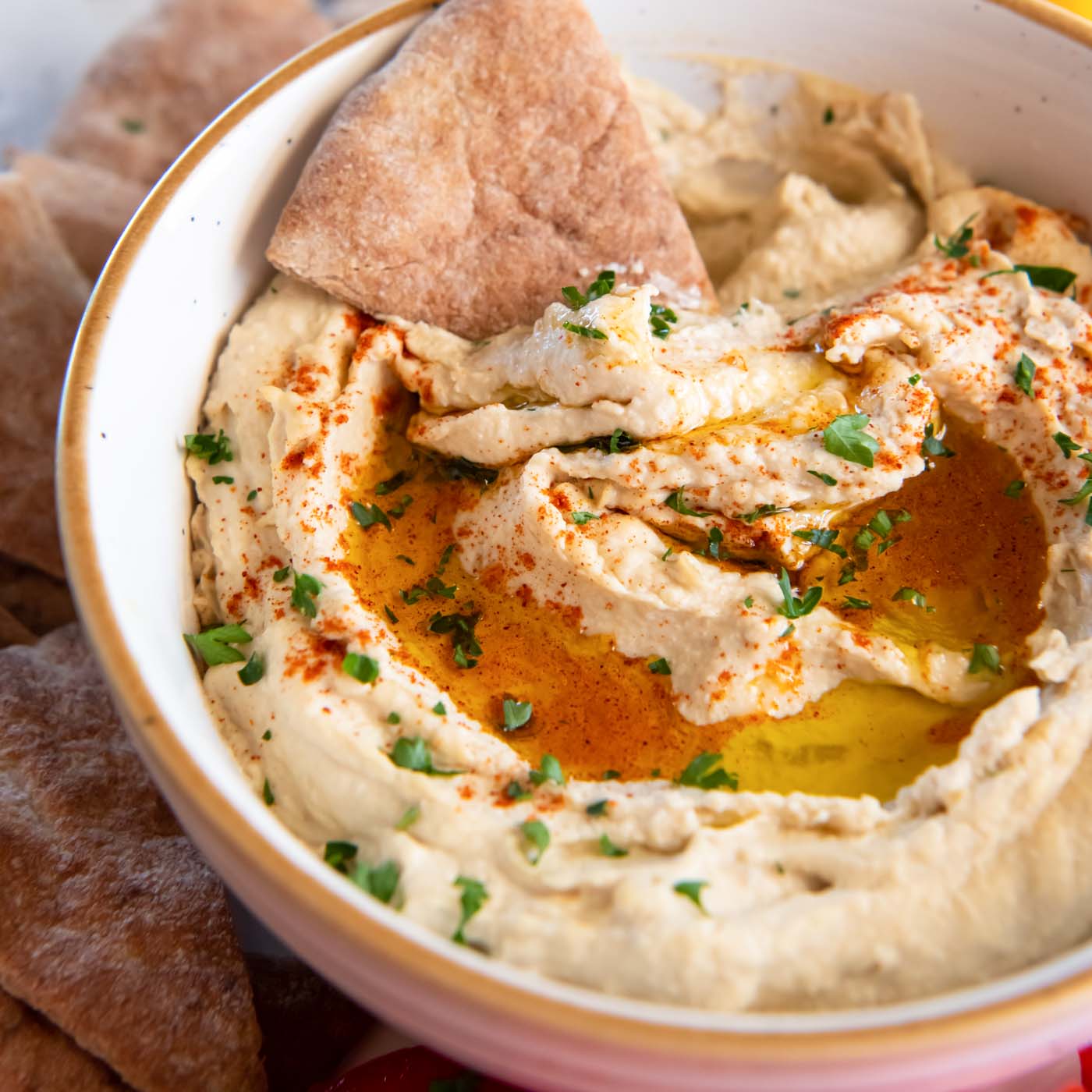
Hummus is one of the most loved Middle Eastern dishes, known for its smooth texture, rich flavor, and simple ingredients. Whether served as a dip, spread, or part of a mezze platter, hummus is a timeless recipe that combines nutrition with incredible taste.

If you’re looking for the best hummus recipe or how to make creamy hummus at home, this guide will walk you through everything you need.

What is Hummus?

Hummus is a creamy dip made from blended chickpeas, tahini, lemon juice, garlic, and olive oil. It is a staple in Middle Eastern cuisine and is commonly enjoyed with pita bread, fresh vegetables, or as part of a mezze spread.

Ingredients

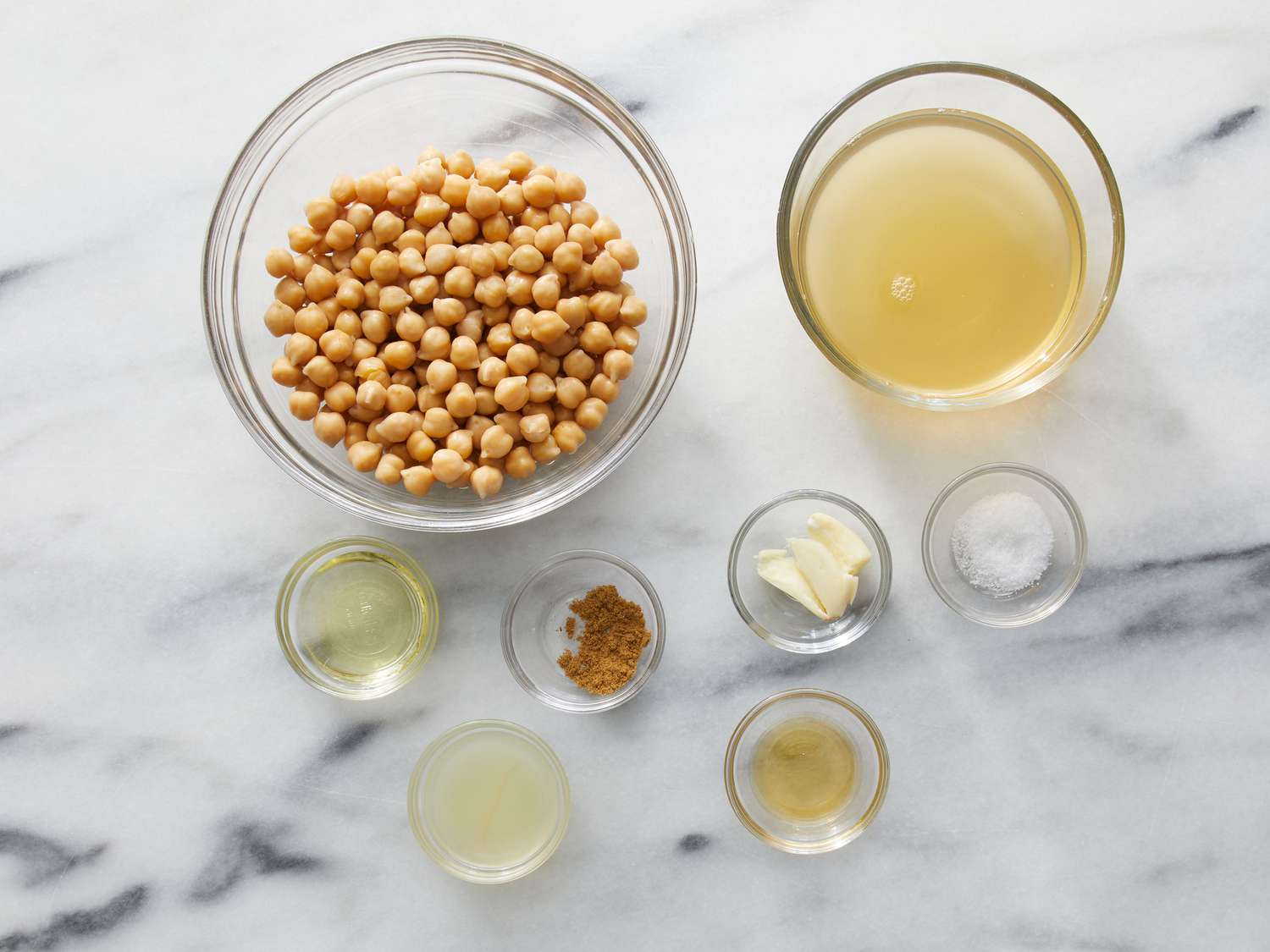
To make smooth and flavorful hummus, you’ll need:

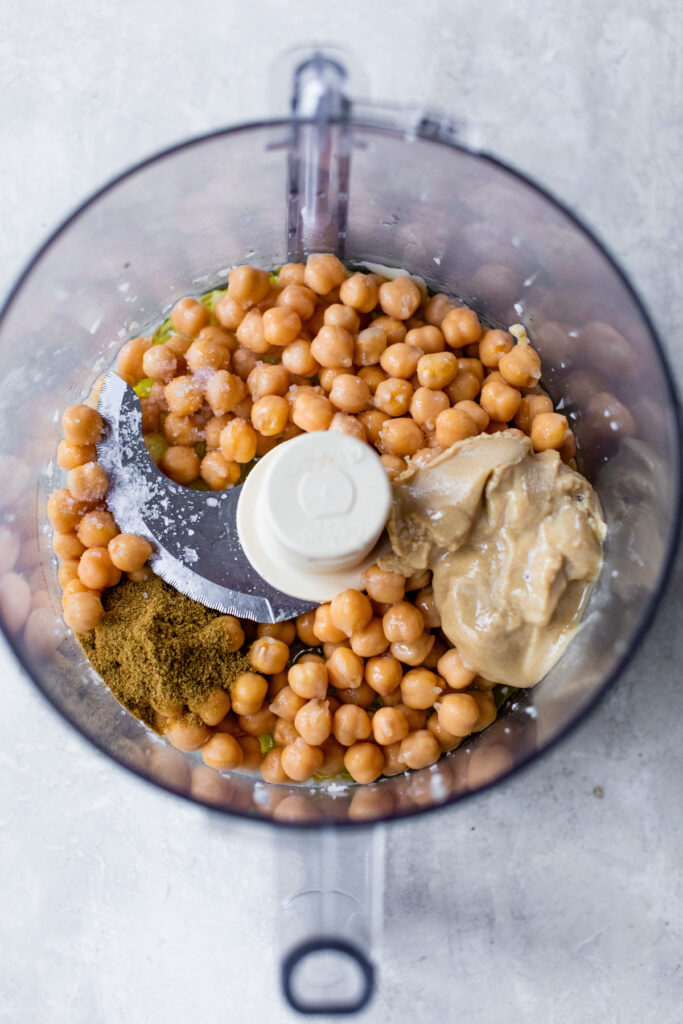
  • 2 cups cooked chickpeas
  • 1/4 cup tahini
  • 2–3 tablespoons lemon juice
  • 2 garlic cloves
  • 2–3 tablespoons olive oil
  • Salt to taste
  • Cold water or ice (for extra creaminess)

How to Make Hummus (Step-by-Step)

Directions

1Use cooked chickpeas (boiled until soft). For extra smoothness, you can peel the skins.

Start by blending tahini with lemon juice until creamy and light.

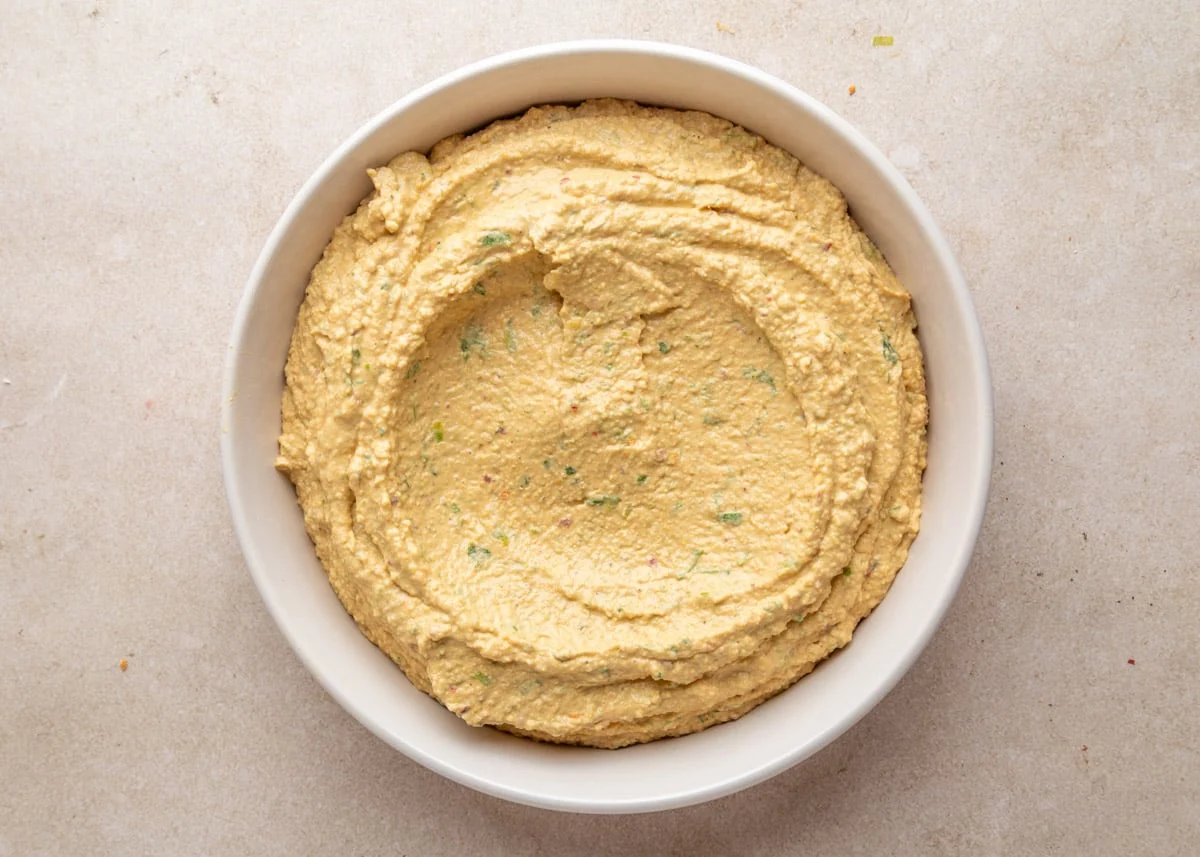
2Add garlic and chickpeas, then blend until smooth.

3Slowly add cold water or ice while blending until you reach a creamy consistency.

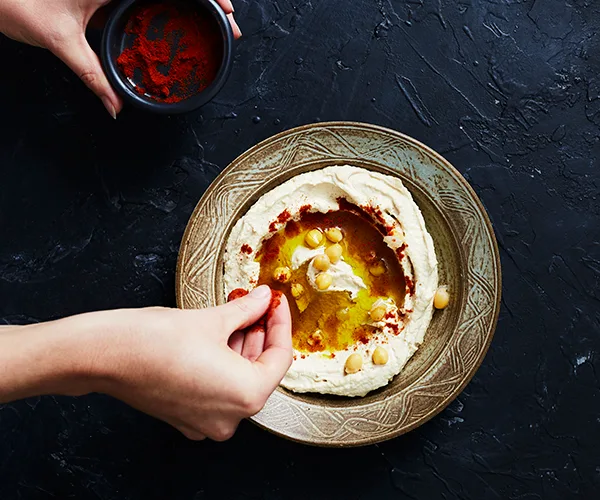
4Transfer to a bowl and drizzle olive oil on top.

Tips for Ultra-Creamy Hummus

  • Use warm, well-cooked chickpeas
  • Blend tahini and lemon first
  • Add ice cubes while blending
  • Blend longer than you think (2–4 minutes)
  • Adjust salt and lemon to taste

How to Serve Hummus

Hummus is incredibly versatile and can be served in many ways:

  • As a Dip: With pita bread or fresh vegetables
  • As a Spread: In sandwiches and wraps
  • In Mezze: Alongside falafel, salads, and other appetizers
  • As a Side Dish: With grilled meats or vegetables

Why Hummus is So Popular

Hummus has become a global favorite because it is:

Perfect for vegan and balanced diets

Healthy and nutritious

Rich in plant-based protein

Easy to make at home

Made from simple, natural ingredients

Hummus is more than just a dip—it’s a staple of Middle Eastern cuisine that brings comfort, flavor, and tradition to every table. With just a few ingredients and the right technique, you can create a smooth, authentic hummus that rivals any restaurant.

Video

Middle Eastern Falafel Recipe: Crispy, Flavorful & Authentic

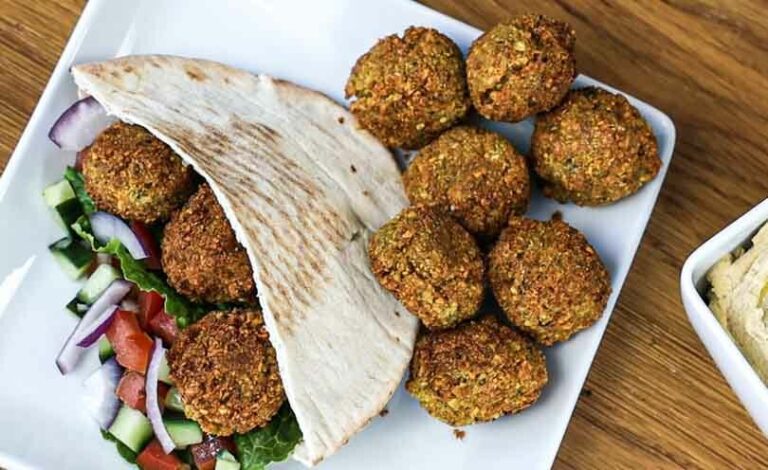
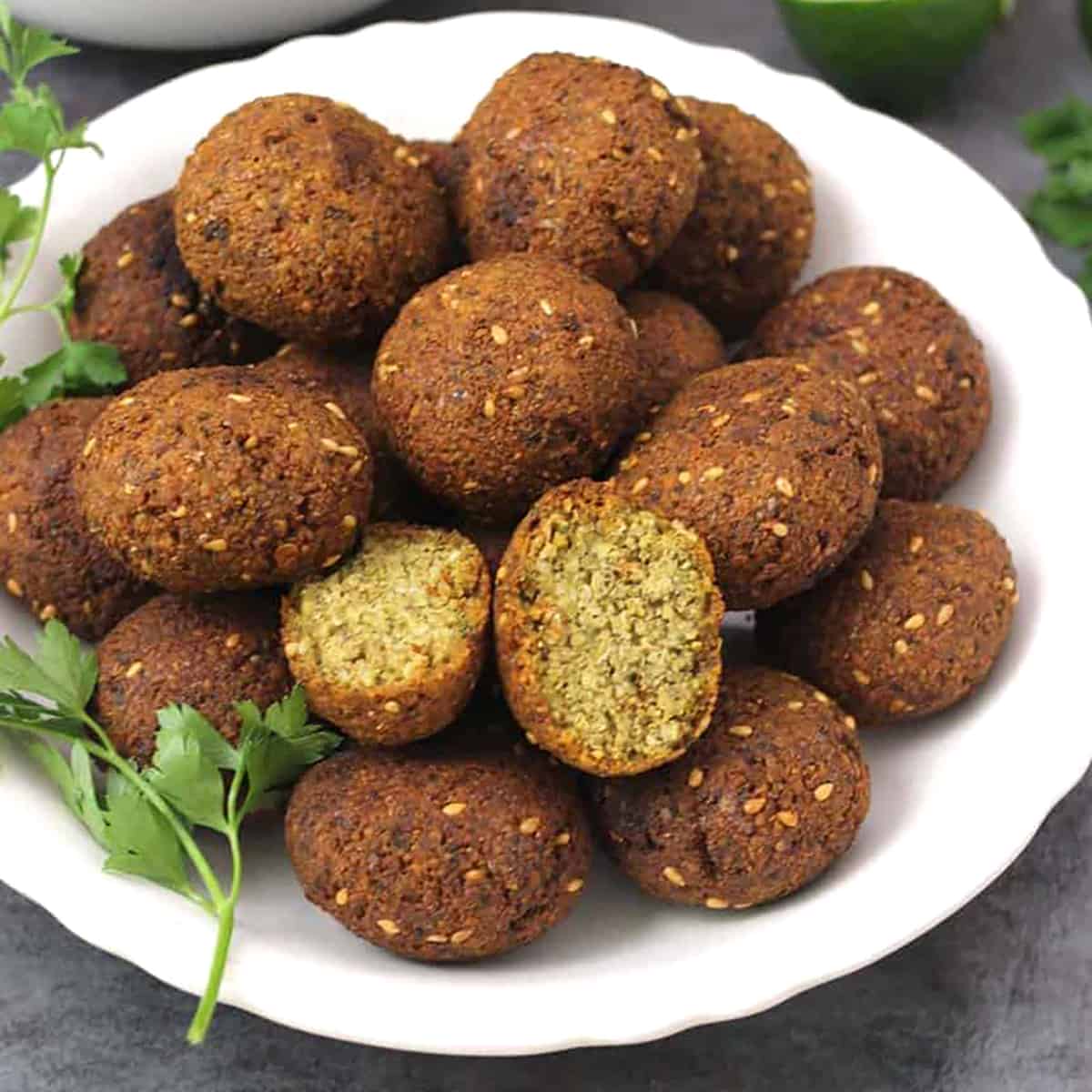
Falafel is one of the most popular Middle Eastern foods, known for its crispy outside and soft, flavorful inside. If you are searching for the best falafel recipe or how to make authentic falafel at home, this complete guide will help you achieve perfect results.

What is Falafel?

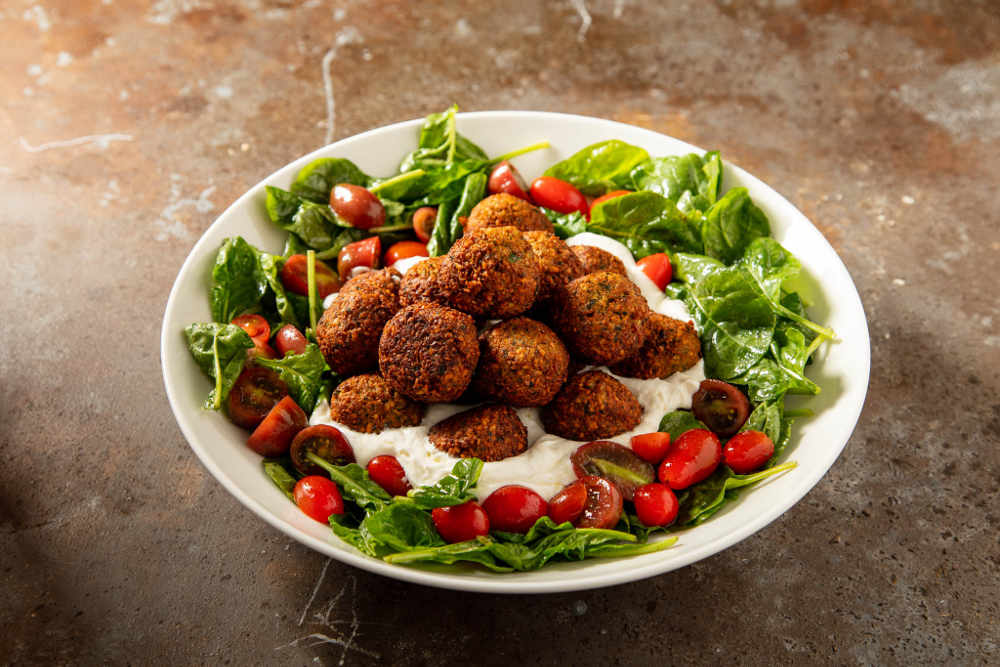
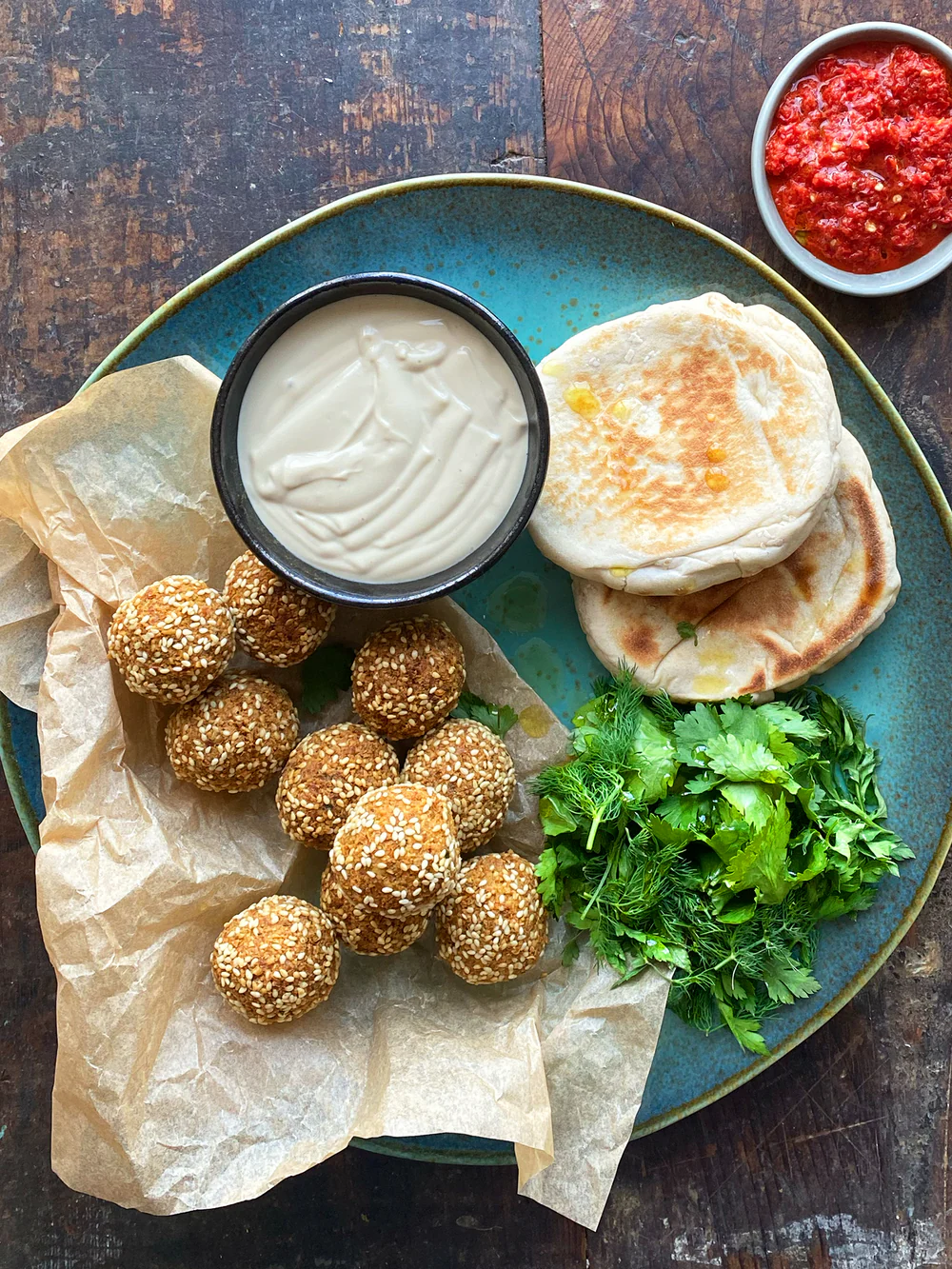
Falafel is a traditional Middle Eastern dish made from soaked chickpeas, fresh herbs, garlic, onion, and spices. It is shaped into small balls or patties and deep-fried until golden and crispy.

It is commonly served as:

  • A falafel sandwich in pita bread
  • A mezze appetizer with dips
  • A healthy bowl with vegetables and grains

Ingredients

To make crispy and authentic falafel, you need:

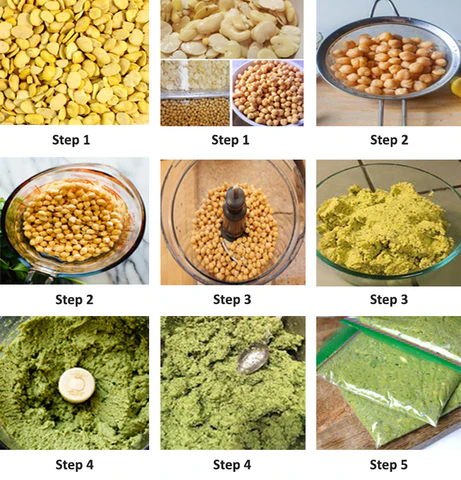
  • 2 cups dried chickpeas (soaked overnight)
  • Fresh parsley and cilantro
  • 3–4 garlic cloves
  • 1 onion
  • 1 tsp cumin
  • 1 tsp coriander
  • Salt and black pepper
  • Oil for frying

Tip: Do NOT use canned chickpeas—they will ruin the texture.

Directions

1Soak dried chickpeas in water for 8–12 hours.

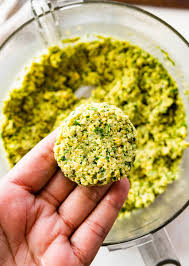
2Blend chickpeas with herbs, garlic, onion, and spices until coarse.

3Leave the mixture for 30–60 minutes.

Form the mixture into six 3-inch-wide, 3⁄4-inch-thick patties. The meat should be completely white all the way through.

4Form small balls or patties . Deep fry in medium-hot oil until golden brown.

Tips for Crispy Falafel

  • Use dried chickpeas only
  • Keep mixture slightly coarse (not smooth)
  • Do not overcrowd the pan
  • Fry at medium temperature
  • Test one piece before frying all

How to Serve Falafel

Falafel can be served in different ways:

  • Falafel Sandwich: pita bread, vegetables, tahini sauce
  • Falafel Plate: with hummus, salad, pickles
  • Healthy Bowl: with rice or greens

Why Falafel is Popular Worldwide

Falafel is loved because it is:

  • Vegan and plant-based
  • Rich in protein
  • Affordable and filling
  • Easy to prepare
  • Full of authentic Middle Eastern flavor

If you’re looking for an easy falafel recipe or the best way to make crispy falafel at home, this recipe is perfect for you. With simple ingredients and the right technique, you can enjoy authentic Middle Eastern street food anytime.

Video

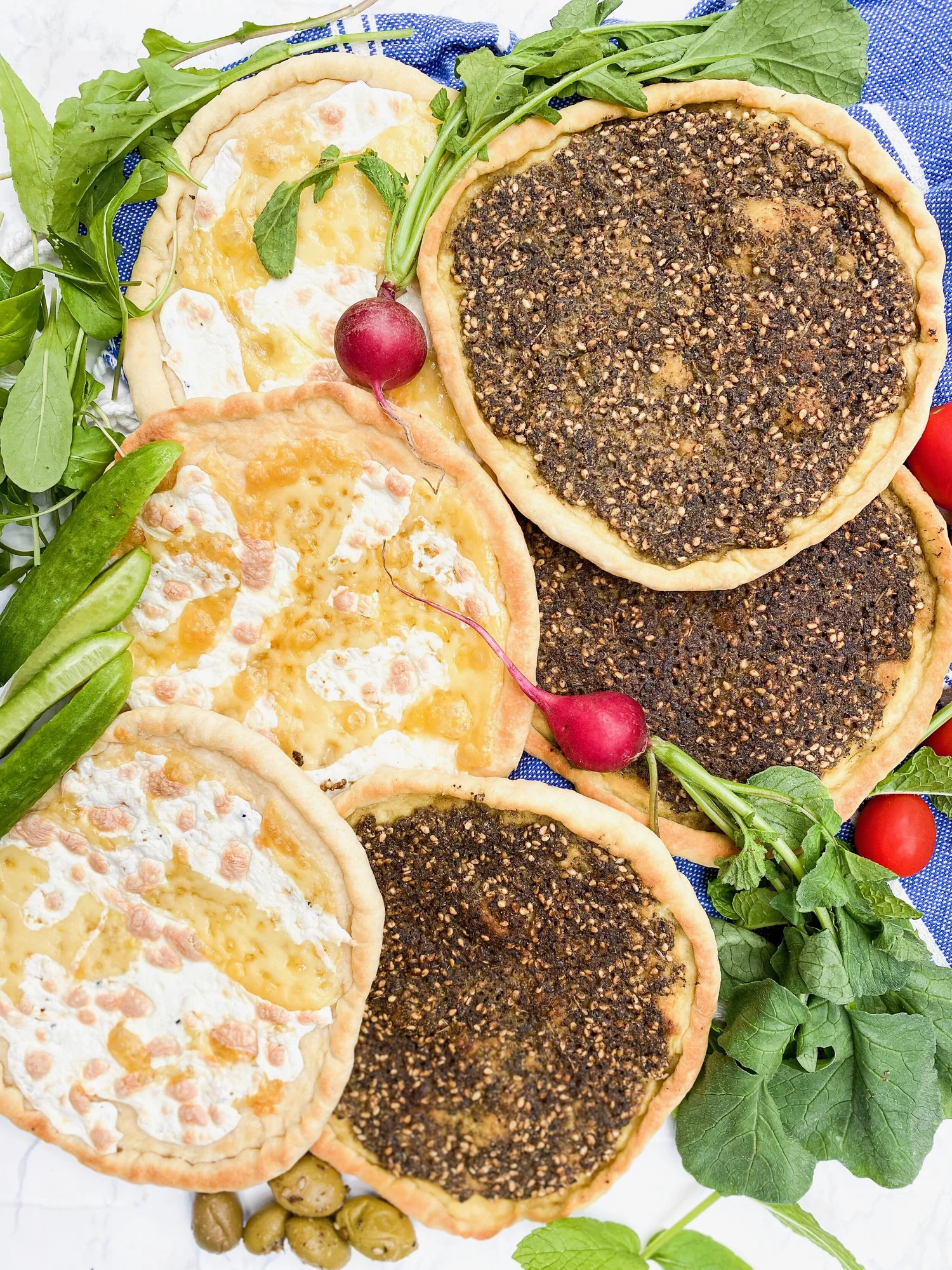
Manakish – The Heart of Levantine Breakfast

0

Manakish is one of the most beloved breakfast foods in the Levant. Fresh, warm, and simple, it is often called the “Levantine pizza,” but its identity is deeply traditional and unique.

What is Manakish?

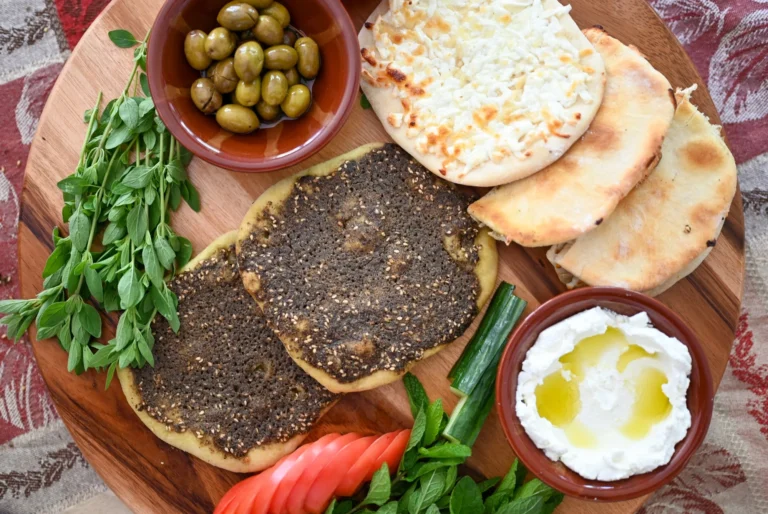
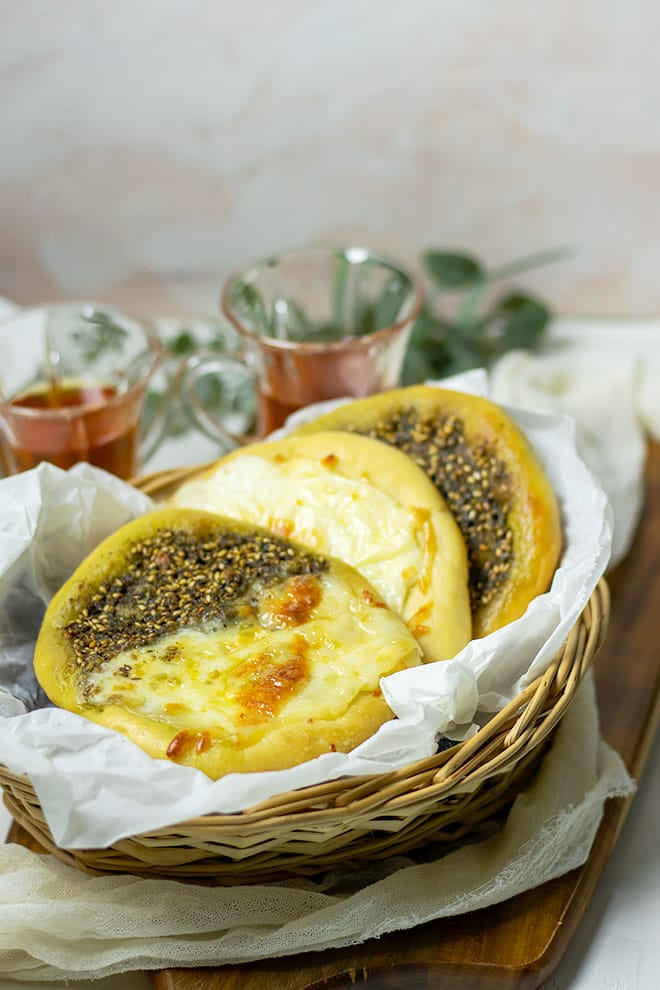
Manakish is a soft flatbread baked in the oven and topped with ingredients like za’atar (thyme mix), cheese, or minced meat. It is usually prepared fresh in bakeries early in the morning, filling the streets with a warm, inviting smell.

Za’atar Manakish (Most Popular)

The most traditional version is za’atar manakish, made with olive oil and a blend of thyme, sesame, and sumac. It is simple but full of flavor.

How it is enjoyed

Manakish is usually:

  • Eaten warm straight from the oven
  • Folded in half like a sandwich
  • Served with tea, labneh, or fresh vegetables

It is a daily breakfast for many families across the Levant.

Why people love it

Manakish is more than food — it represents home, tradition, and comfort. It is quick, affordable, and deeply connected to everyday life in the region.

Ingredients

  • 2 cups all-purpose flour
  • 1 tsp instant yeast
  • 1 tsp sugar
  • 1/2 tsp salt
  • 3/4 cup warm water (add slowly as needed)
  • 2 tbsp olive oil (plus more for brushing)
  • 🌿 Za’atar topping:
  • 3 tbsp za’atar mix (thyme, sesame, sumac)
  • 3–4 tbsp olive oil (to make a paste)

Directions

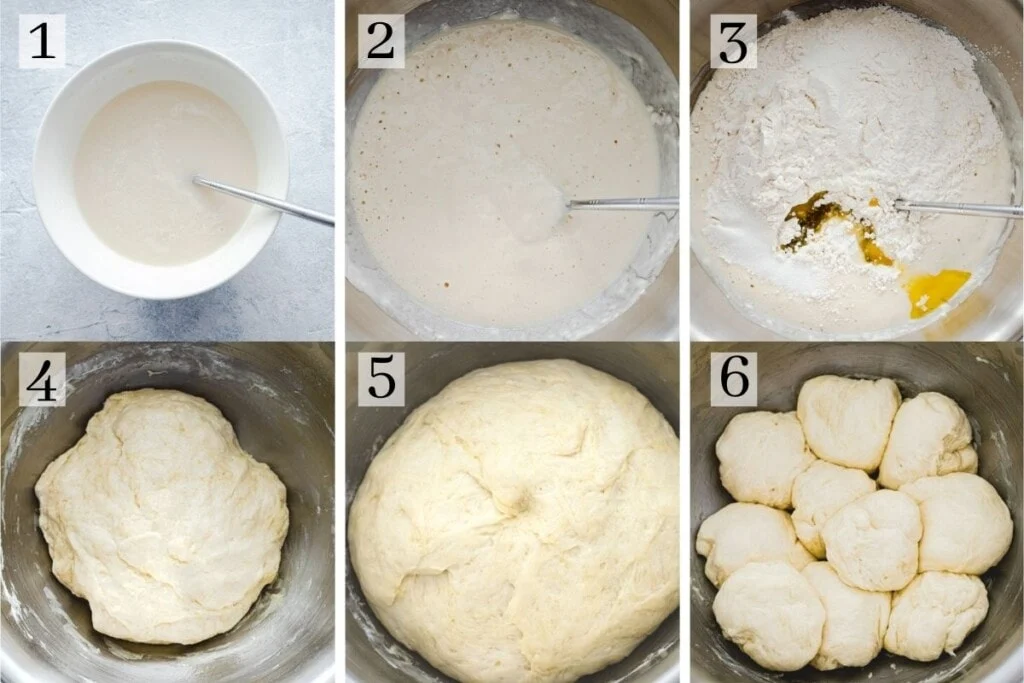
1Make the dough a bowl, mix flour, yeast, sugar, and salt.
Slowly add warm water and mix until a soft dough forms.
Add olive oil and knead for about 8–10 minutes until smooth.

Cover the dough with a cloth and let it rest for 1–1.5 hours, until it doubles in size.

2Shape the dough

Divide the dough into small balls.
Roll each ball into a flat circle using a rolling pin.

3Add topping

Mix za’atar with olive oil to form a paste.
Spread it evenly over each dough circle, leaving a small edge


4 Bake

Place on a baking tray and bake in a preheated oven at 220°C for 8–12 minutes, until the edges are lightly golden.

Serve warm, ideally with tea, labneh, or fresh vegetables.

Video