Ana Sayfa Blog

The Story Behind Mansaf: Jordan’s National Dish

0

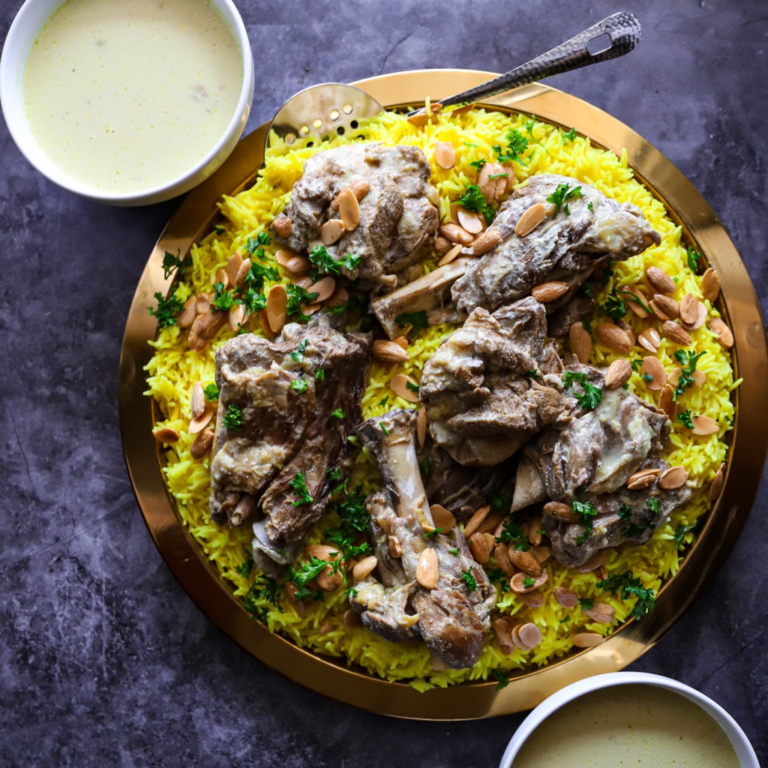
History of Mansaf: Ancient Jordanians (before Christianity and Islam) were constantly being under attack from Jewish people coming from west of the Jordan river until the great Jordanian king “Mesha of Moab” managed to throw off the yoke of Israel and restore the lands of Moab to Jordan; to celebrate he ordered his people to cook meat with Jameed (Jordanian dried Yogurt) as it is a sin in Judaism to cook meat with yogurt.

This oven-baked method will ensure your pork has a delicious crust and a perfectly cooked interior. Just follow these simple rules and prepare yourself to reconsider everything you know about this weeknight-friendly cut.

Pair this delicious dish with a risotto and a nice bottle of wine. This Italian favorite is easy to make and sure to impress your guests.

Ingredients

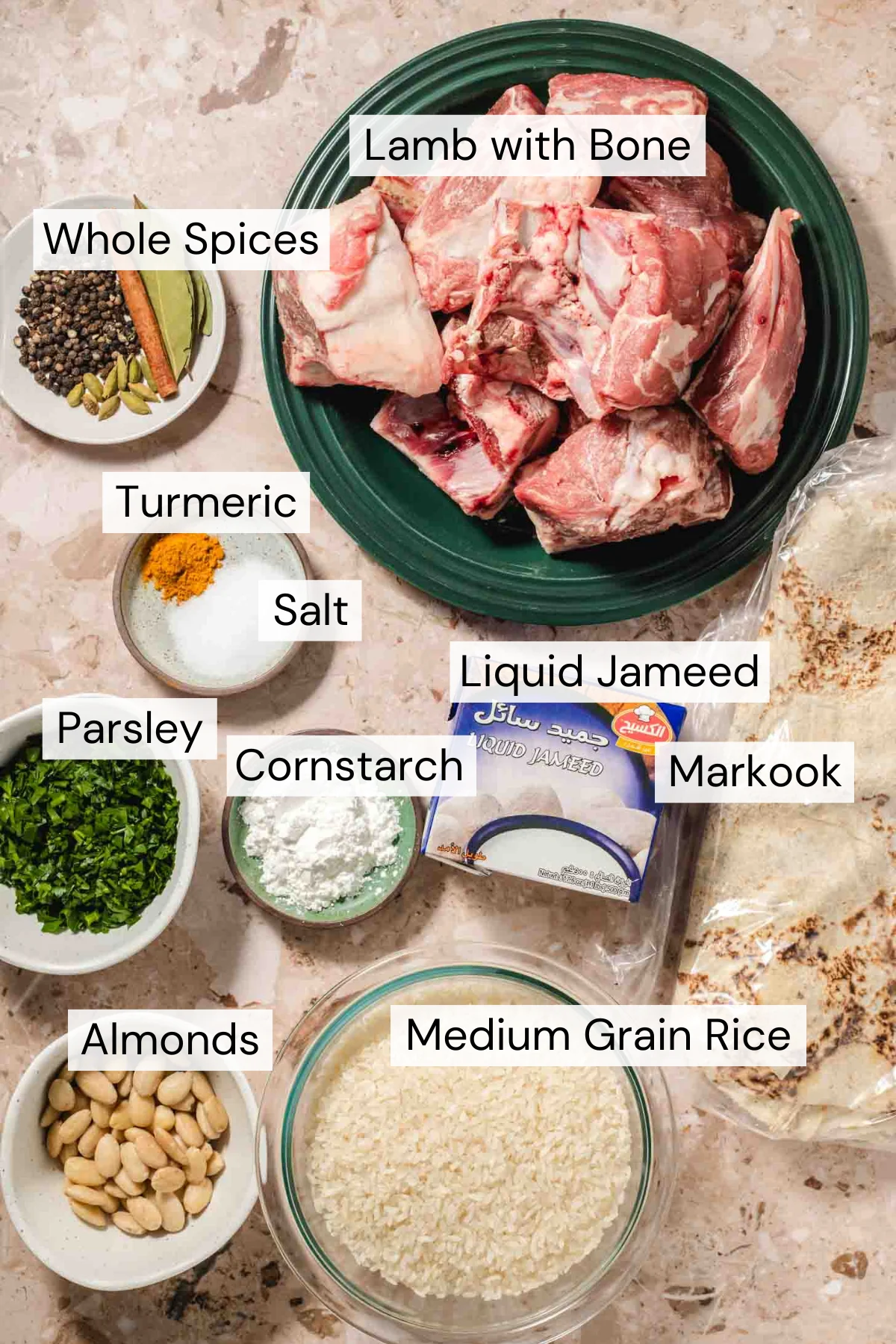
  • Lamb (bone-in pieces, usually shoulder or leg)
  • Jameed (dried fermented yogurt)
  • Rice (long grain white rice)
  • Shrak or Arabic flatbread (thin bread base)
  • Yogurt (sometimes used to help dissolve jameed in modern versions)
  • Onion (for cooking the meat broth)
  • Garlic (optional in some variations)
  • Ghee or clarified butter (samneh)
  • Almonds and/or pine nuts (toasted for topping)
  • Salt and spices (such as black pepper, cardamom, and sometimes turmeric)

Directions

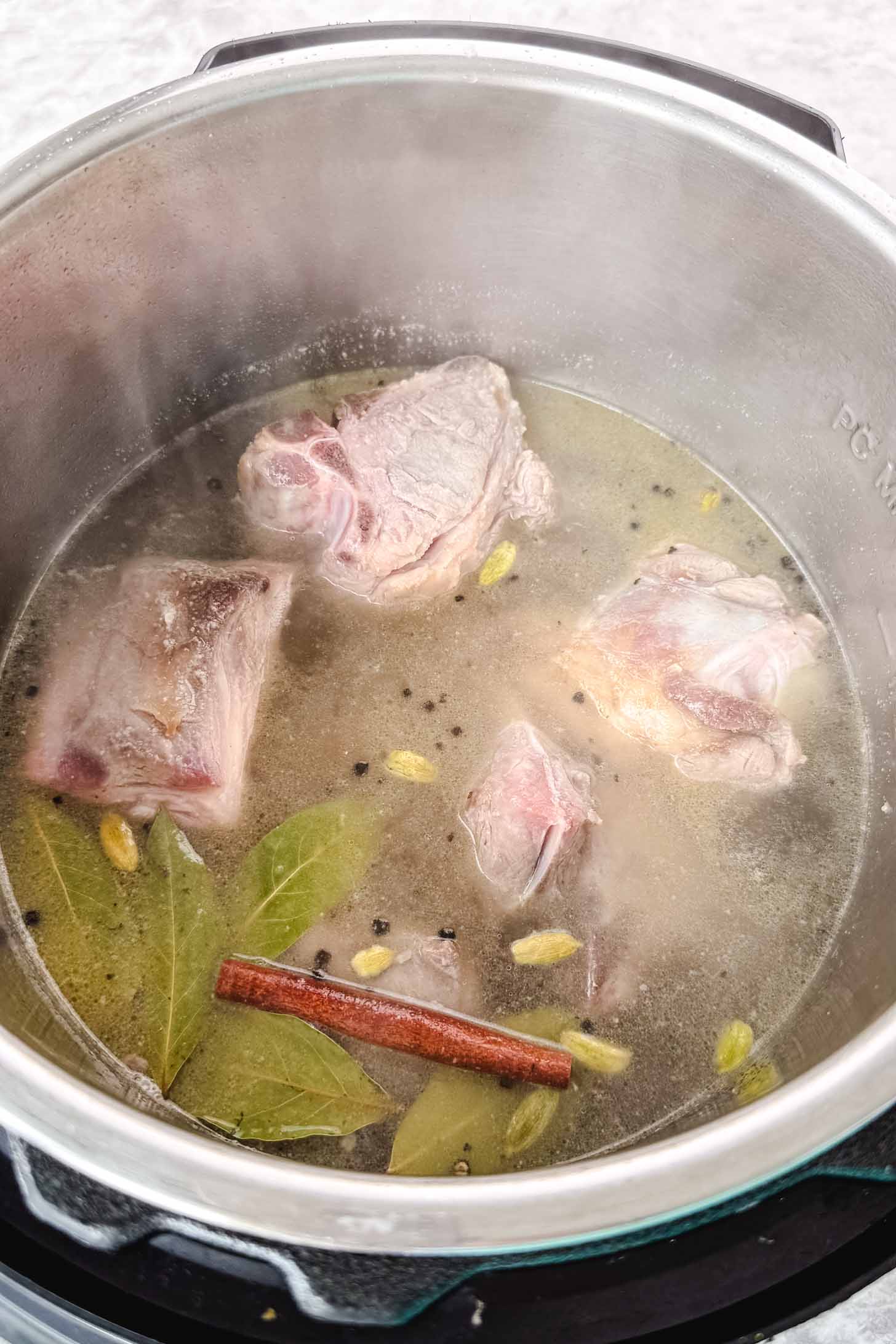
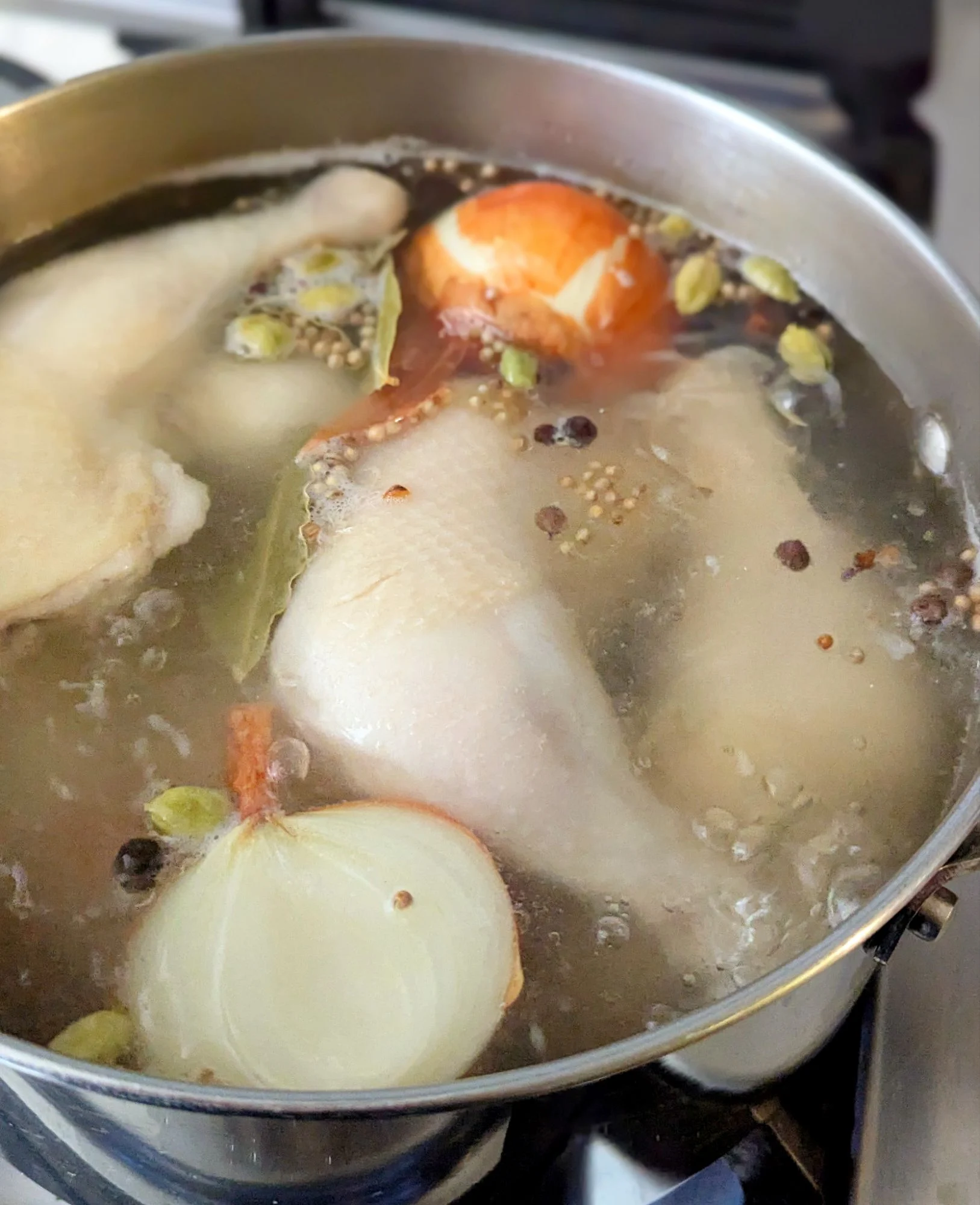
1Cook the lamb in a large pot with onion, salt, and spices, covering it with water and simmering until the meat becomes tender and a rich broth is formed.

2Prepare the jameed sauce by soaking or blending the jameed, then cooking it with part of the lamb broth until it becomes smooth and well combined.

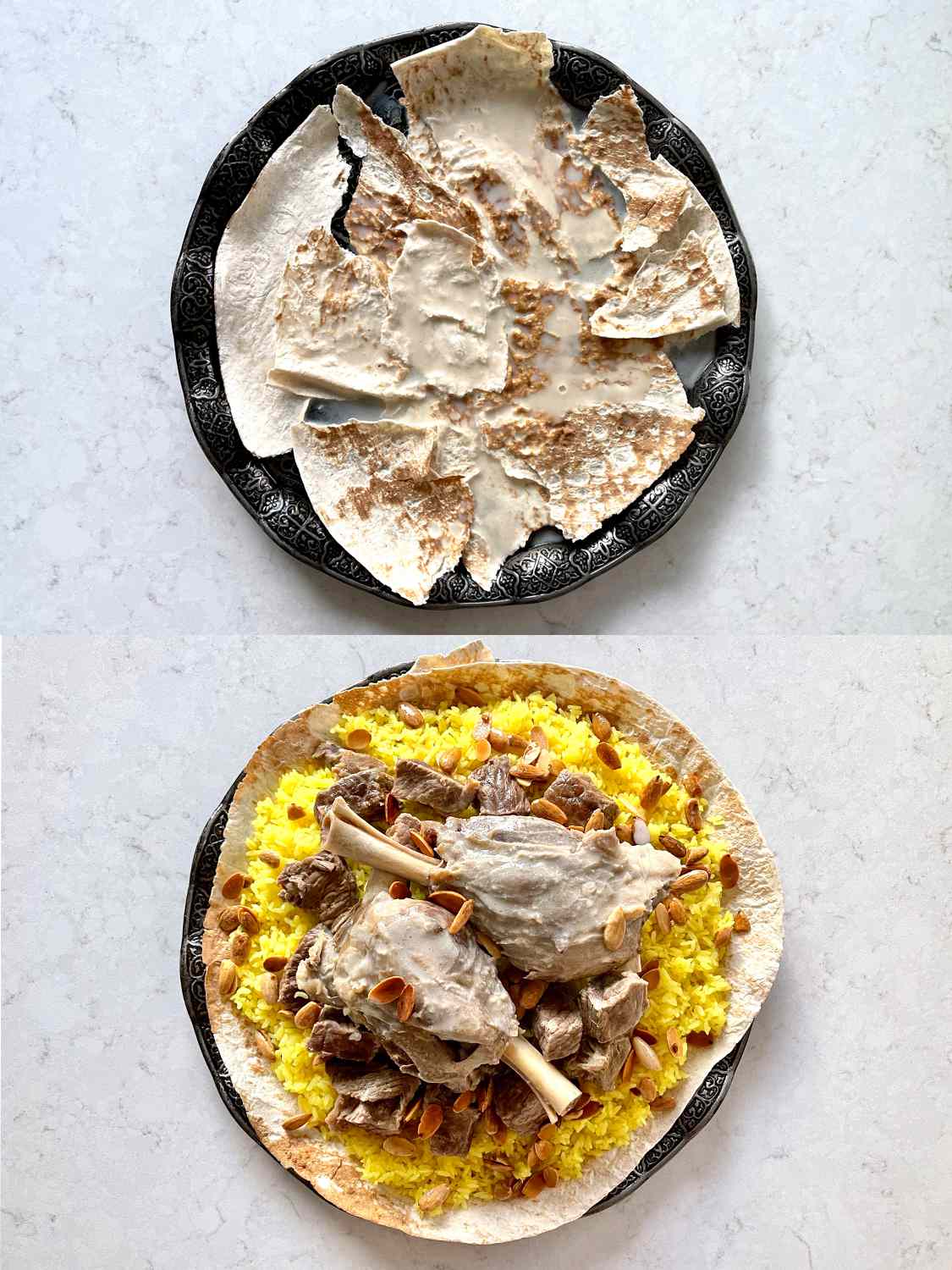
3Cook the rice separately until fluffy, and prepare the shrak or flatbread by placing it on a large serving dish as the base.

4Assemble the mansaf by layering bread, rice, and lamb, then pouring the jameed sauce over it, and finally topping it with toasted almonds or pine nuts before serving.

Serve the Mansaf hot in a large communal dish, traditionally shared among guests as a symbol of hospitality, generosity, and togetherness.

Video

The Story of Musakhan: A Love Letter to the Olive Harvest

0

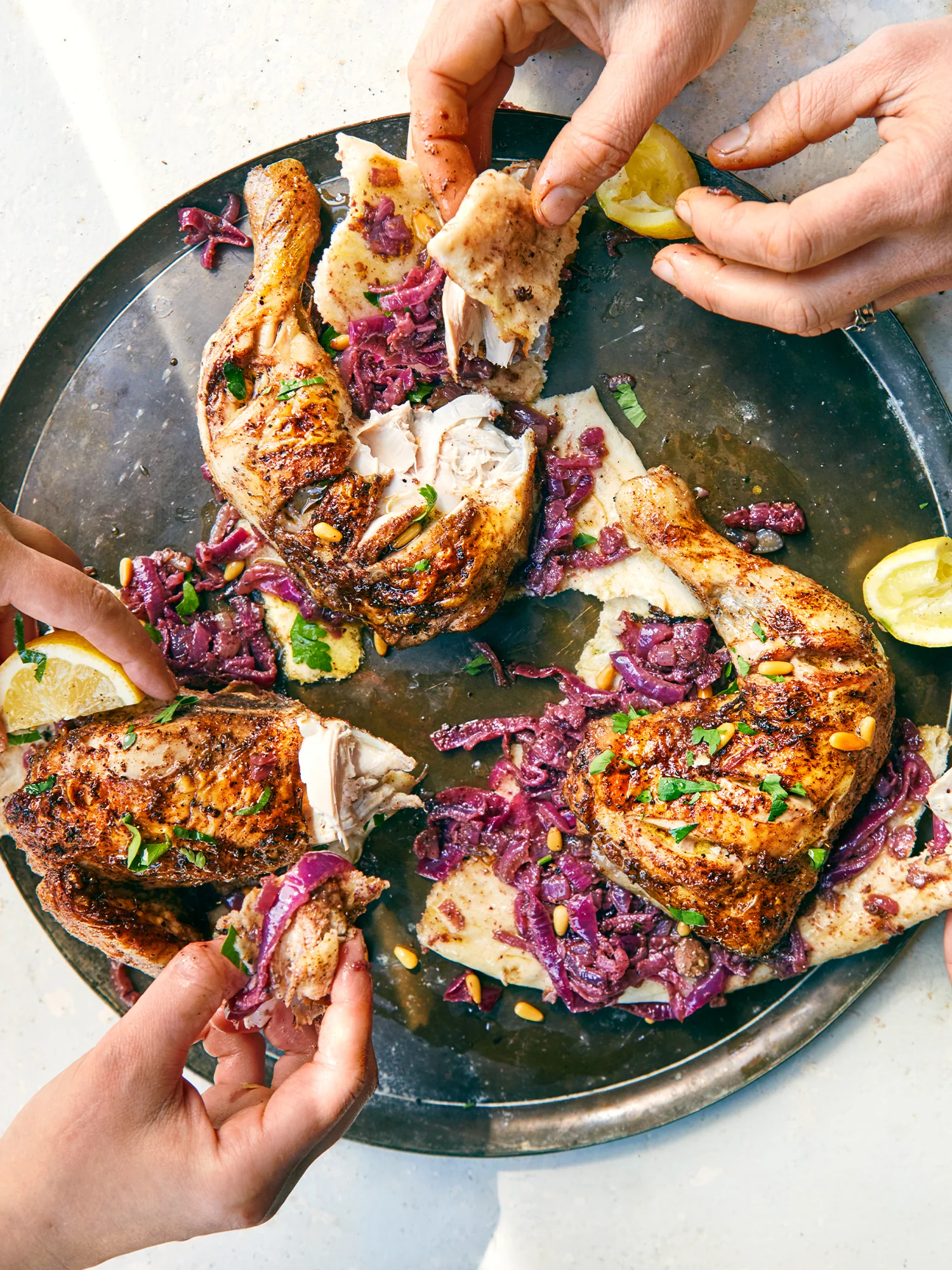
If Palestine had a scent, it would be the aroma of onions caramelizing in fresh olive oil, dusted with the sharp, purple tang of sumac. This is the essence of Musakhan, a dish that is far more than just a meal—it is a celebration of the land’s most precious gift: the olive tree.

The Ritual of the “New Oil”

The story of Musakhan begins in the rugged hills of Jenin and Tulkarm during the autumn harvest. Traditionally, this dish was created to celebrate the first press of the season’s olive oil, known as “Zait al-Awwal” (the first oil).

Farmers and their families would gather around the Taboon—a traditional clay oven fueled by dried olive wood. They would take thick, hand-stretched dough and bake it directly on hot smooth stones. To test the quality and acidity of the new oil, they would drench this fresh bread in it. If the oil was pure and low in acidity, you could eat your fill without feeling “heavy.” This “quality test” eventually evolved into the masterpiece we know today.

The Three Pillars of Perfection

To understand Musakhan, you must understand its three humble components:

  1. The Liquid Gold (Olive Oil): Authentic Musakhan requires an almost “excessive” amount of extra virgin olive oil. It isn’t just an ingredient; it’s the cooking medium for the onions, the soak for the bread, and the soul of the dish.
  2. The Crimson Spice (Sumac): Those deep purple flakes aren’t just for color. Sumac is a wild berry that grows across the Levant. Its sharp, lemony acidity cuts through the richness of the olive oil, creating a perfect flavor balance.
  3. The Onion Confit: This is where the magic happens. We slow-cook mounds of sliced onions in olive oil until they lose their bite and transform into a sweet, buttery “jam” that melts into the bread.

A Dish Meant for Sharing

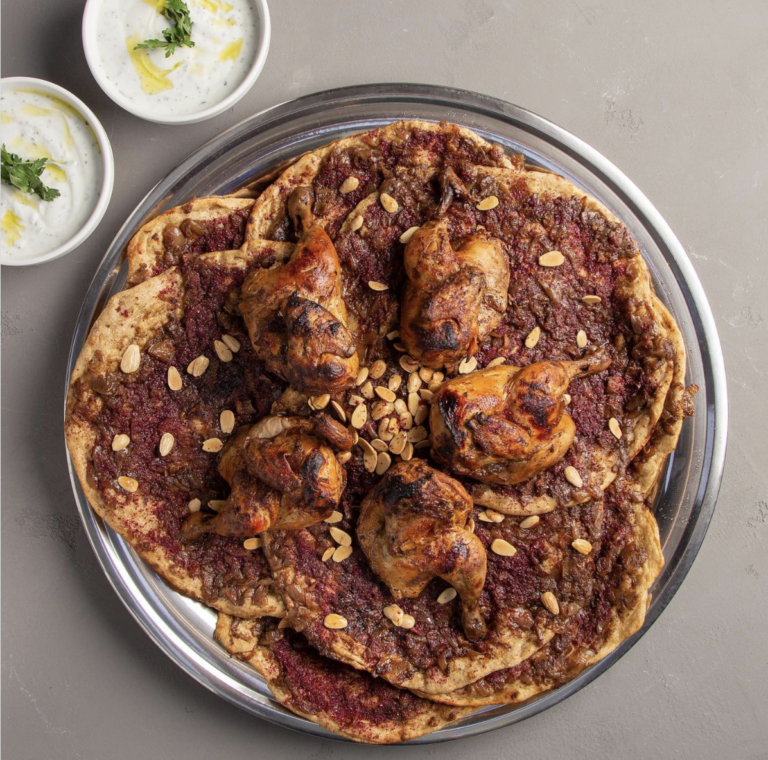
Musakhan is never a “solo” meal. Historically, it was served on large communal platters, with layers of oil-soaked bread stacked high, topped with roasted chicken and toasted pine nuts or almonds.

Eating it is a sensory experience. You don’t use a fork and knife; you use your hands to tear the tender bread, wrapping it around a piece of chicken and a heap of sweet onions. It’s messy, it’s vibrant, and it’s a reminder that the best food comes from the simplest traditions.

Quick Tips for the Authentic Version:

  • Don’t skimp on the oil: It’s the “sauce” of the dish.
  • The Bread Matters: If you can’t find Taboon bread, use a thick, porous flatbread that can absorb the juices without falling apart.
  • The Finish: Always add a squeeze of fresh lemon and a handful of toasted nuts for that essential crunch.

The Modern Twist: Musakhan Rolls (The “Saj” Revolution)

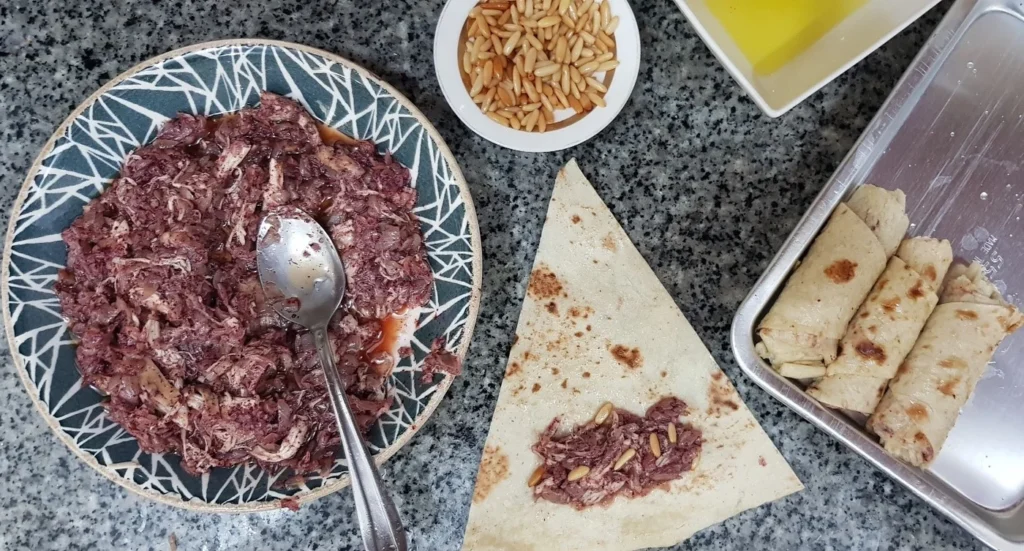
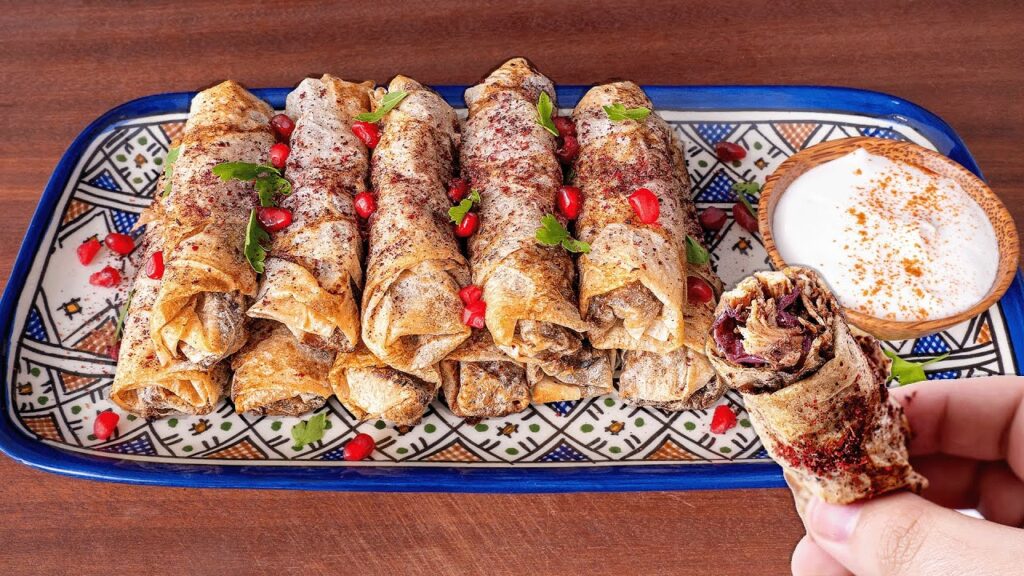
“While the traditional stacked Musakhan remains the soul of Palestinian hospitality, the modern Musakhan Roll has taken the Levant’s flavors to the global stage. This contemporary evolution reimagines the classic components—sumac-stained chicken and buttery onions—neatly tucked into thin, delicate Saj or Markook bread. Brushed with premium olive oil and toasted until golden and shatteringly crisp, these ‘handheld treasures’ offer the same explosion of earthy flavors in a refined, bite-sized form. Perfect as a sophisticated appetizer or a vibrant party snack, Musakhan rolls prove that even the most ancient traditions can adapt, making the ‘Gold of Palestine’ accessible for today’s fast-paced, urban lifestyle without losing a drop of its rustic heart.”

Video

The Rivalry: Two Queens, One Throne

0

The story of Om Ali isn’t just about a creamy bread pudding; it’s a 13th-century tale of power, jealousy, and cold-blooded revenge that unfolded in the heart of Mamluk Egypt.

The story begins with Sultan Izz al-Din Aybak, the first Mamluk ruler of Egypt. He had two wives:

  1. Om Ali: His first wife and mother of his heir, Ali.
  2. Shajar al-Durr: A brilliant, ambitious former slave who became a powerful Sultana in her own right.

The tension peaked when Shajar al-Durr, feeling her power threatened by the Sultan’s plans to take a third wife, had him murdered in his bath.

The Revenge: Death by “Qabaqib”

Om Ali didn’t just want justice; she wanted a public downfall for her rival. She conspired with her bondmaids, who cornered Shajar al-Durr and famously beat her to death using “Qabaqib”—traditional heavy wooden clogs.

With her rival gone, Om Ali’s son, Ali, was crowned the new Sultan.

The Celebration: A Golden Victory

To celebrate her son’s coronation and the “sweetness” of her revenge, Om Ali ordered the cooks to create a dessert unlike any other to feed the entire city of Cairo.

The Recipe for Victory:

  • They took sheets of flaky pastry (Roqaq) and tore them into pieces.
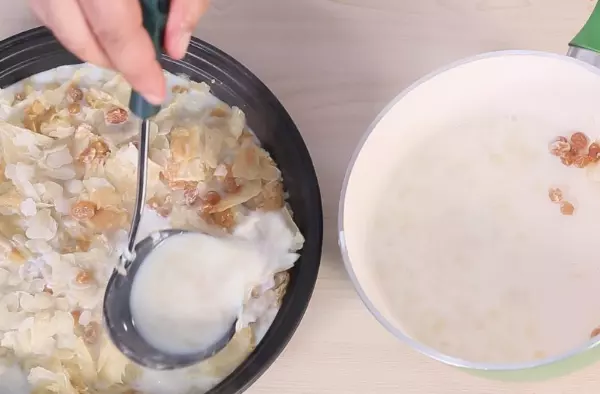
  • They drowned the pastry in boiling sweetened milk.
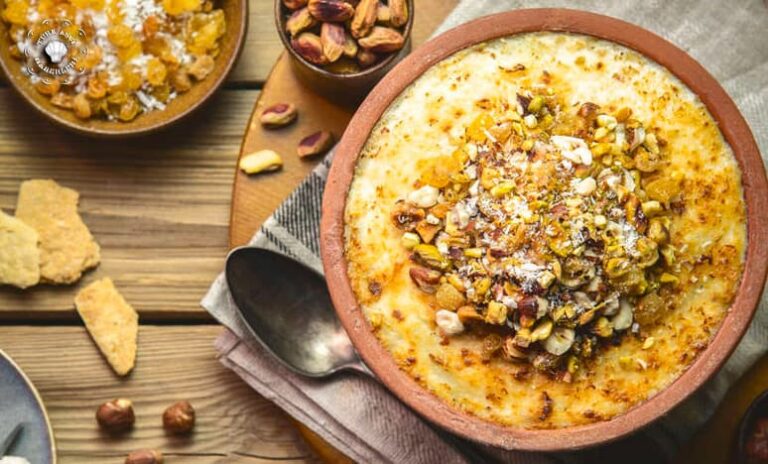
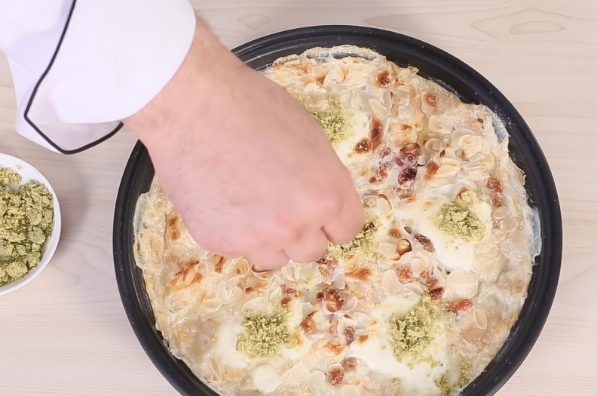
  • They added a lavish amount of heavy cream, raisins, and nuts (almonds and pistachios).
  • The pots were baked until the top formed a golden, bubbly crust.

As the massive pots were carried through the streets of Cairo, people asked, “What is this?” The servants replied, “This is the dish of Om Ali!”

The Legacy

Today, Om Ali is Egypt’s national dessert. It is served warm, symbolizing the warmth of a home, but its origins remain a reminder of a time when Egyptian politics were as rich—and as dangerous—as its cuisine.

Video

The History of Freekeh – Ancient Smoked Green Wheat of the Levant

0

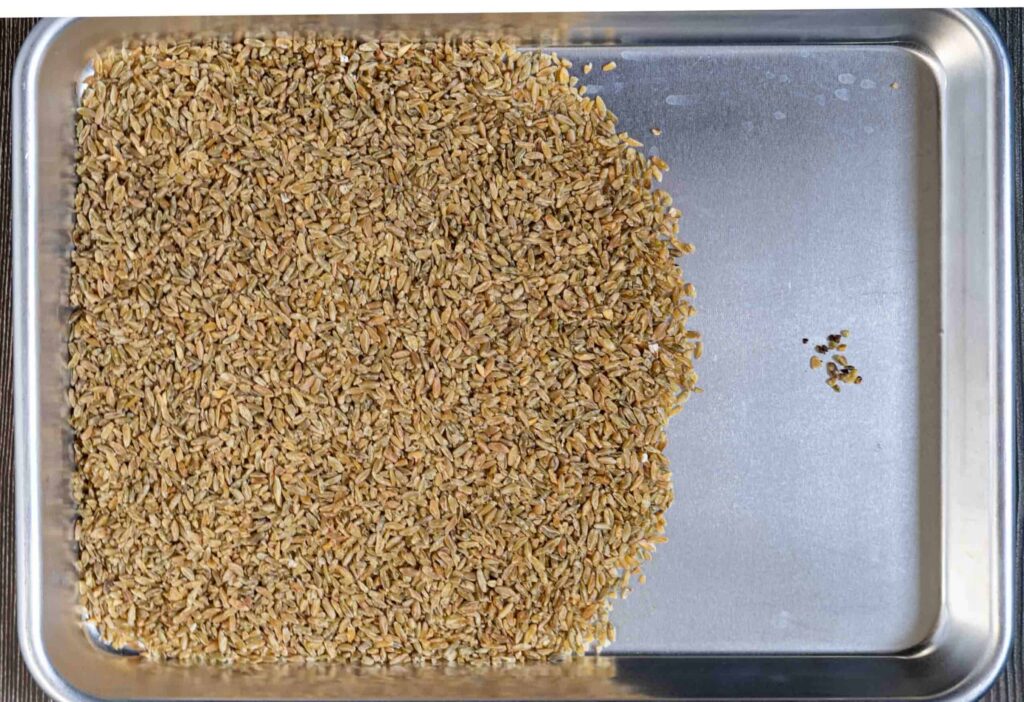
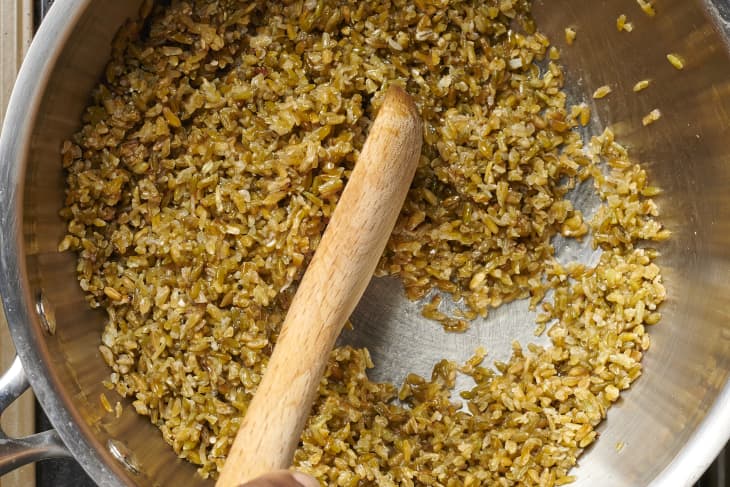
Freekeh is one of the oldest traditional grains in Levantine cuisine. It is made from young green wheat that is harvested early, then roasted over fire, and rubbed to remove the burnt outer layers. This process gives freekeh its unique smoky flavor and rich aroma.

Historically, freekeh is believed to have originated in farming communities across the Levant, including regions of modern-day Palestine, Syria, Jordan, and Lebanon. One traditional explanation says that farmers discovered freekeh accidentally when green wheat fields were exposed to fire, and they tried to salvage the damaged crops by roasting and rubbing the grains.

First of all, freekeh became a practical solution for preserving wheat. In addition, it provided a nutritious and filling grain that could be stored for long periods.

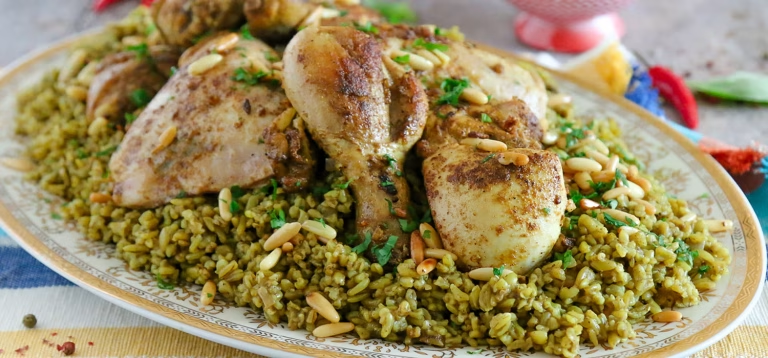
Moreover, freekeh became an important part of rural Levantine diets. It was often cooked with meat, chicken, or vegetables and served as a complete family meal.

Finally, freekeh is still widely used today in both traditional and modern kitchens, valued for its smoky taste, health benefits, and deep cultural roots.

Ingredients

  • Freekeh (green roasted wheat)
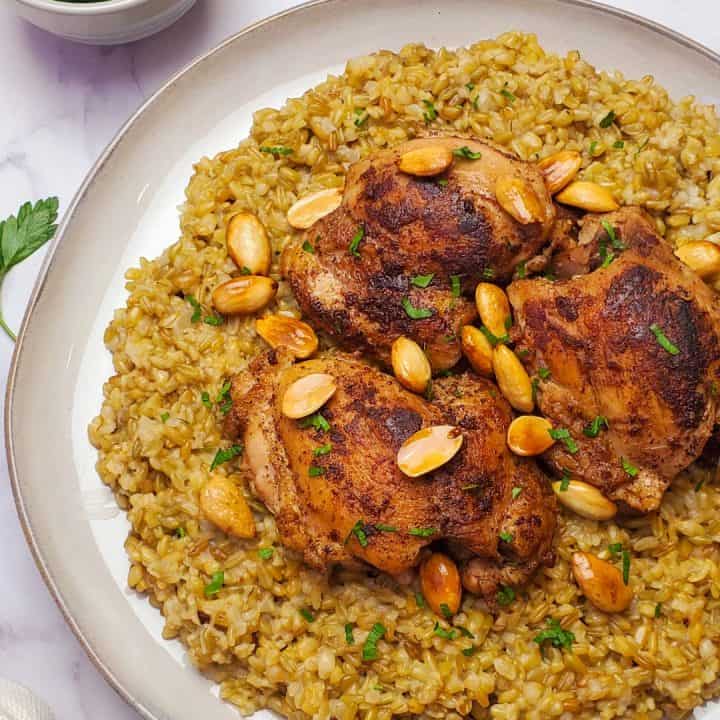
  • Chicken or lamb pieces (optional, for traditional version)
  • Onion (chopped)
  • Garlic (optional)
  • Olive oil or ghee (samneh)
  • Chicken or meat broth
  • Salt
  • Black pepper
  • Cumin or mixed spices (optional)
  • Almonds or pine nuts (for garnish)

Directions

1Cook the meat (optional base):

In a large pot, cook chicken or lamb with onion, salt, and spices. Add water and simmer until the meat becomes tender and a rich broth is formed.

2Prepare the freekeh:

Wash the freekeh lightly, then add it to the broth. Cook over medium heat until it absorbs the liquid and becomes soft.

3Build the flavor:

Form the mixture into six 3-inch-wide, 3⁄4-inch-thick patties. The meat should be completely white all the way through.

4Rest the dish:

Let the freekeh sit for a few minutes so the flavors settle and the texture becomes more balanced.

5Garnish and serve:

Top with toasted almonds or pine nuts and serve hot.

Serving Style

Freekeh is traditionally served as a main dish, often in a large shared plate. It is eaten during family meals, gatherings, and seasonal cooking.

It is also served with yogurt or salad on the side for balance.

Conclusion

Freekeh is more than just a grain. It is a symbol of Levantine rural life, traditional cooking, and resourceful food culture that continues to exist today.

Video

Za’atar: Food, Medicine, and Memory of Palestine

0

Za’atar: Food, Medicine, and Memory of Palestine

Za’atar is more than a spice in the Levant. It is a daily ritual, a cultural language, and a memory that travels through generations without needing translation.

In the kitchens of Palestine, za’atar is not treated as an ingredient—it is treated as presence. It is mixed with olive oil, spread over warm bread, and placed in the center of the table like a shared memory. This simple meal, known as manakish, is often eaten in the early morning before school, before work, before life becomes heavy. It is food that belongs to everyone—children, elders, cities, and villages alike.

But za’atar does not begin in the kitchen. It begins in the land.

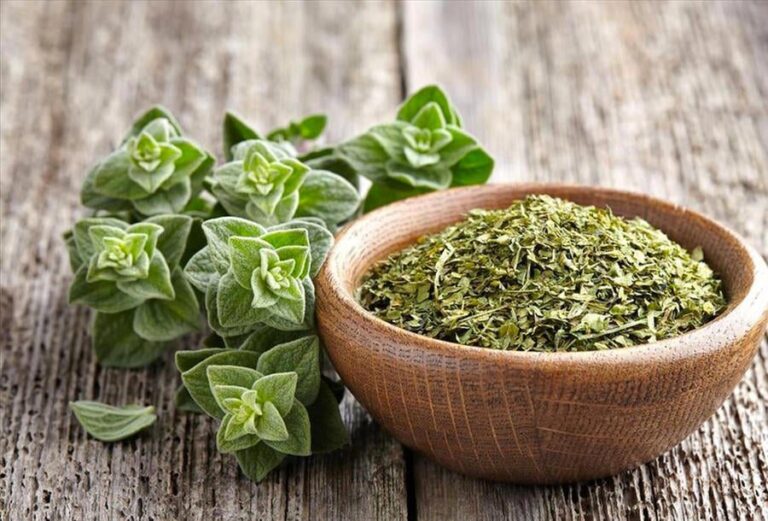
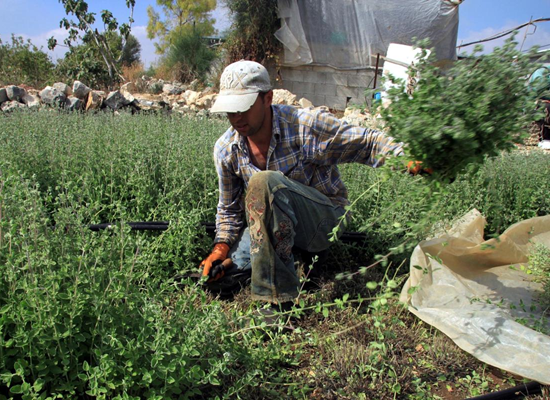
On early mornings in rural hills, families go out to collect wild za’atar from rocky fields. The act of gathering it is slow and careful, because it is not only about harvesting—it is about remembering where it grows. The smell of crushed leaves between fingers is sharp and familiar, like something the body already knows before the mind explains it.

In Palestinian culture, za’atar has become a symbol of endurance and belonging. People often say: “We remain as long as za’atar and olives remain.” This phrase is not just poetic—it reflects a relationship between land and identity, where food becomes proof of continuity.

Za’atar is also part of everyday speech and imagination. It appears in proverbs, in lullabies, in poetry written on bus rides and in refugee camps. It is not reserved for special occasions. Instead, it is woven into ordinary life, which is exactly why it feels so important.

In traditional kitchens, za’atar is often prepared in different ways. Some mix it with olive oil until it becomes a thick green paste. Others dry it and store it in cloth bags, opening them in winter when fresh herbs are gone. Some families mix it with sesame and salt, adjusting the taste slightly from home to home, village to village. Each variation is small, but each one carries identity.

Beyond food, za’atar has long been used in traditional herbal practices across the Levant. It is brewed as tea, believed to bring warmth and comfort. It is combined with olive oil, honey, or black seed in home remedies passed down through generations. While modern science studies some of its properties, much of its value remains cultural—based on trust, experience, and memory rather than measurement.

But perhaps the most powerful role of za’atar is not what it does to the body, but what it does to memory.

For many Palestinians, the taste of za’atar is the taste of home—even for those who live far away. A single bite of bread with za’atar can bring back kitchens that no longer exist, streets that have changed, and mornings that belong to another time. Food becomes a way of carrying place when place itself becomes complicated.

In songs, weddings, and celebrations, za’atar appears again and again. At weddings, it is part of breakfast tables shared before the ceremony begins. In songs, it is used as a metaphor for strength, simplicity, and rootedness. It is never just decoration—it is always meaning.

Even in moments of displacement, za’atar travels. It is packed in small bags inside suitcases, wrapped carefully in cloth, or bought in foreign markets that try to recreate its taste. But people often say the same thing: it is never exactly the same. Because what is missing is not the herb—it is the land it came from.

Today, za’atar continues to exist across the Levant and beyond. It is sold in markets, served in restaurants, and shared in homes around the world. But in every place it reaches, it still carries its origin quietly within it.

It remains simple. It remains ordinary. Yet it carries something that cannot be simplified.

Zeyt and Za’atar

In Palestinian homes, za’atar is never eaten alone. It is always accompanied by olive oil—zeyt—forming a simple ritual that feels almost sacred in its simplicity.

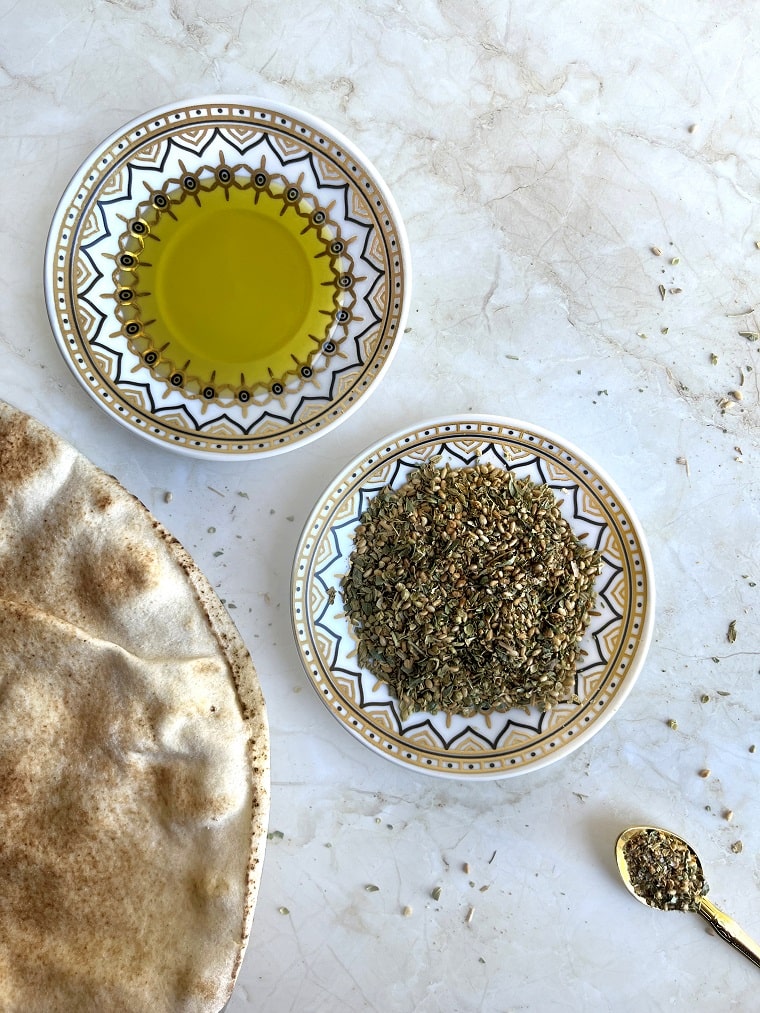
A small plate is placed on the table: green za’atar on one side, golden olive oil on the other. Bread is torn by hand, never cut, and dipped first into the oil, then pressed into the za’atar. In that moment, the bread becomes more than food—it becomes a bridge between earth and memory.

This combination is not just about taste. It is about balance. The sharpness of za’atar meets the softness of olive oil, creating something that feels complete. Families eat it slowly in the morning, often in silence or in light conversation, as if the act itself deserves attention.

Children grow up learning this rhythm without being taught. Dip, press, eat. Repeat. It becomes instinctive, like a shared language passed through hands rather than words.

For many Palestinians, zeyt and za’atar is the first taste of home and often the taste that remains strongest in memory when everything else changes. It is simple food, but it carries the weight of belonging.

Manakeesh za’atar

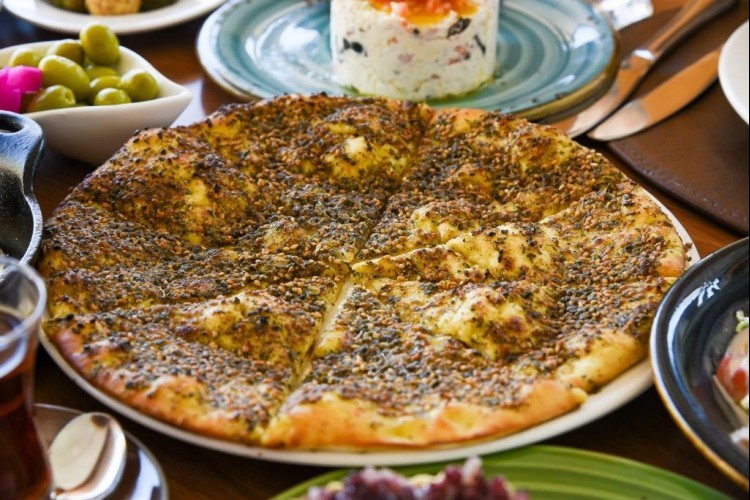
Manakeesh za’atar is one of the most common and beloved breakfasts in the Levant, especially in places like Beirut, Damascus, and across Palestinian towns. It is made from simple dough that is flattened by hand and topped with a mixture of za’atar and olive oil, creating a green paste that is spread generously over the surface before baking. The bread is then placed in a hot stone oven until it becomes soft, warm, and slightly crispy at the edges, filling the streets with its smell early in the morning. People usually eat it fresh and hot, often standing outside bakeries, on their way to school or work, or sharing it quickly with family. For many, manakeesh za’atar is not just food but a daily ritual that connects them to home, memory, and the rhythm of everyday life.
The Story of Molokhia – The Green Leaf That Became a Levantine Comfort Dish

0

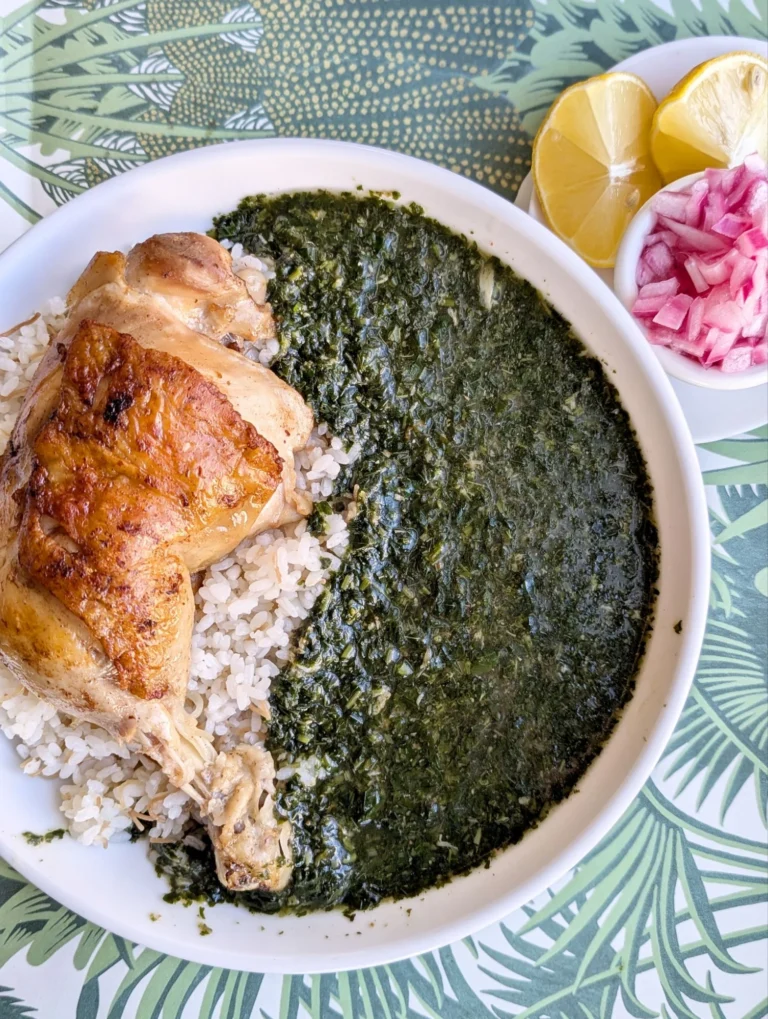
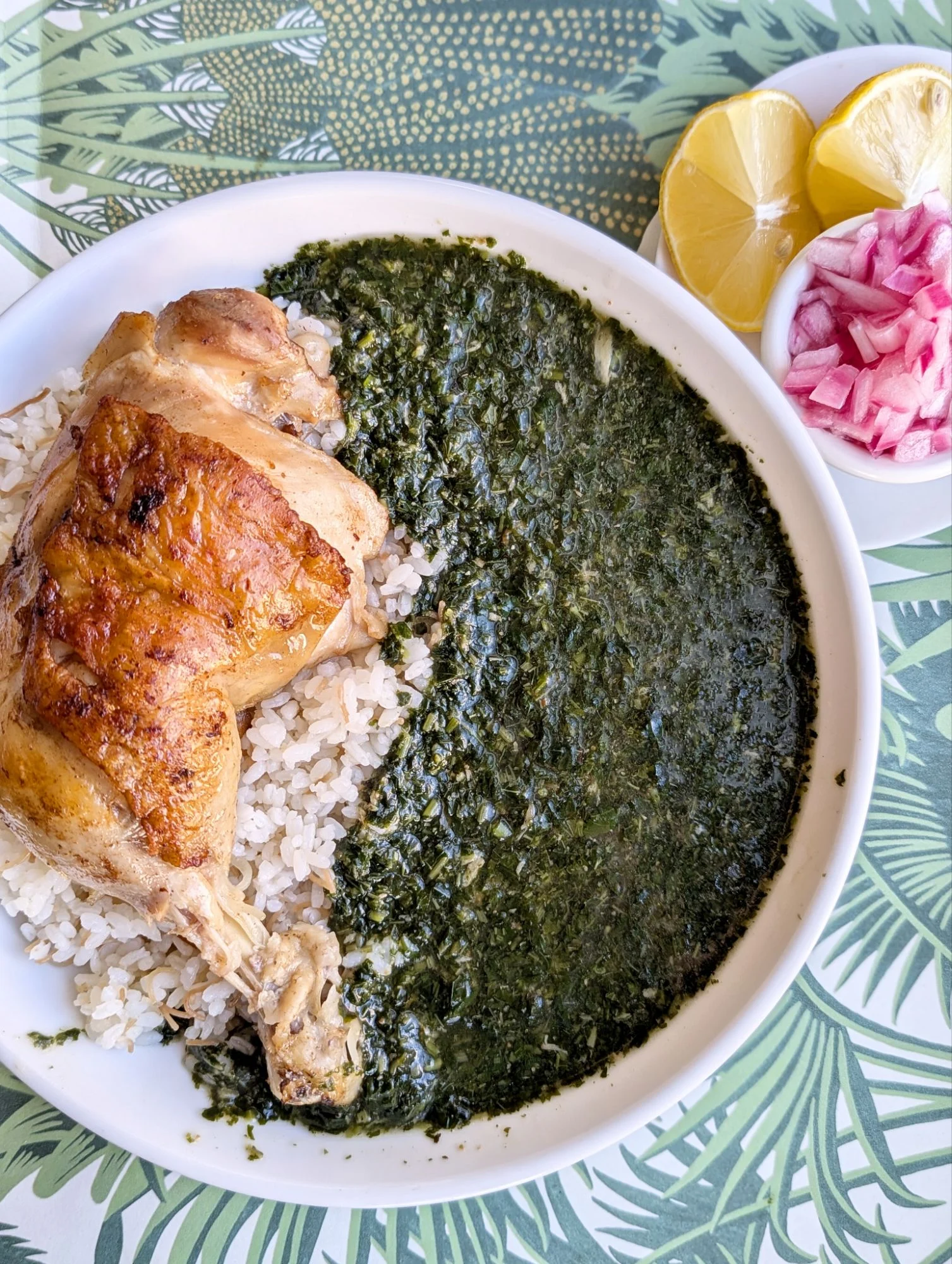
Molokhia is one of the most distinctive traditional dishes in Levantine cuisine. It is made from finely chopped jute leaves cooked in a garlic-rich broth, usually served with rice and chicken or meat. Its texture and deep green color make it unique and instantly recognizable.
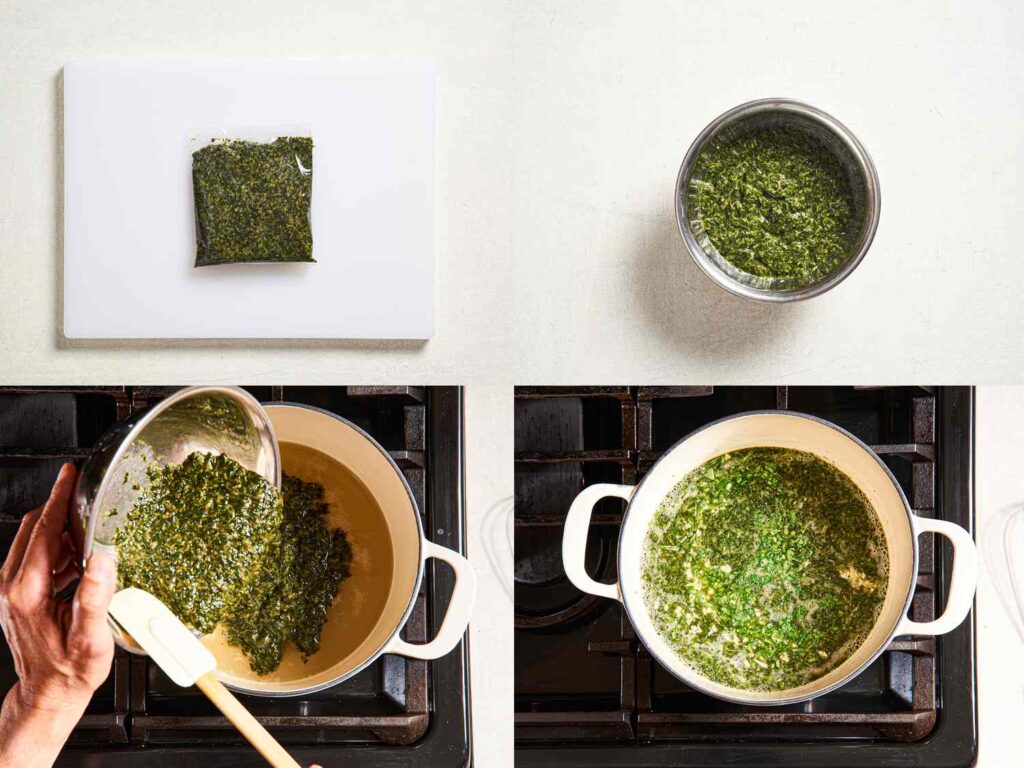
Molokhia is widely prepared in countries like Egypt, Syria, Lebanon, and Jordan. As a result, it has become a shared comfort food across the region.

The Origins of Molokhia

Historically, molokhia has ancient roots in the Eastern Mediterranean and Nile Valley regions. It has been eaten for centuries as a nutritious leafy green dish.

First of all, it became popular because molokhia leaves are rich in vitamins and grow easily in warm climates.

In addition, different regions developed their own cooking styles. Some prepare it as a thick stew, while others keep it more broth-like.

Moreover, it became a household favorite because it is both healthy and filling.

Ingredients

  • Fresh or frozen molokhia leaves
  • Chicken or meat (optional)
  • Garlic (crushed)
  • Coriander powder
  • Olive oil or butter (samneh)
  • Salt and black pepper
  • Chicken broth or water
  • Lemon juice (optional)
  • Rice (for serving)
  • Bread (optional)

Directions

1Cook chicken or meat in water with salt until tender and a rich broth is formed.

2Add chopped molokhia leaves to the hot broth and simmer gently.

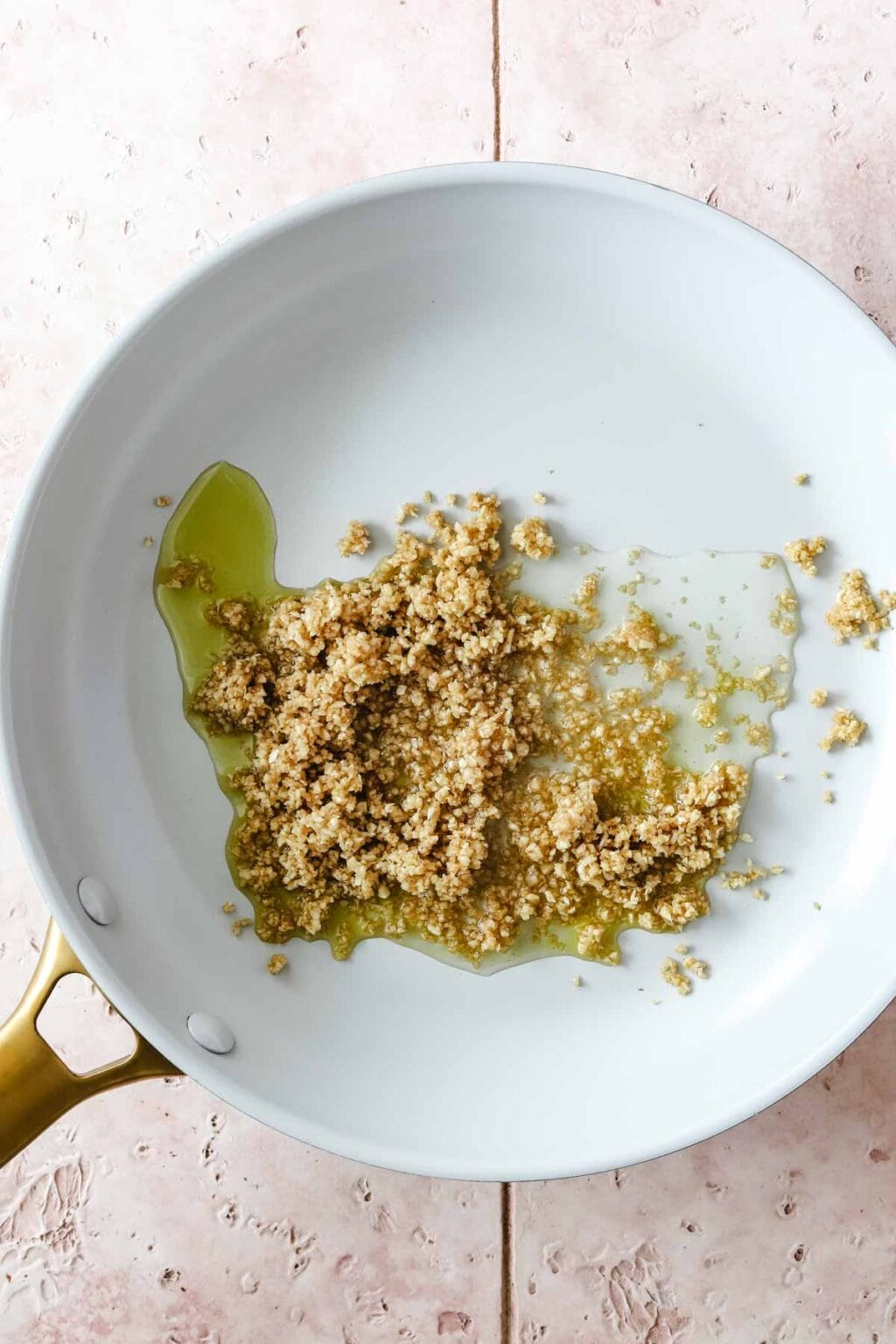
3Fry garlic with coriander in olive oil or butter until fragrant.

4Add the garlic mixture into the molokhia pot and stir well.

5Let it cook for a few more minutes until flavors blend.

6Serve with rice and lemon on the side.

If a chop is too thin, by the time you’ve seared both sides, the thing is practically overcooked! Choosing a thick chop allows you to get a nice golden sear on both sides and a perfectly cooked tender center.

Video

Fudgy Brownies From Deliciously Ella

0

This oven-baked method will ensure your pork has a delicious crust and a perfectly cooked interior. Just follow these simple rules and prepare yourself to reconsider everything you know about this weeknight-friendly cut.

Pair this delicious dish with a risotto and a nice bottle of wine. This Italian favorite is easy to make and sure to impress your guests.

Ingredients

  • 2 cups half and half
  • 1/4 cup limoncello
  • 3 Tbsp granulated sugar
  • 1/4 tsp vanilla extract
  • 1/2 tsp finely grated lemon zest
  • 1/8 tsp kosher salt
  • 3 large eggs
  • Unsalted butter, for buttering the casserole dish
  • 5 cups challah (about 8 oz)

Directions

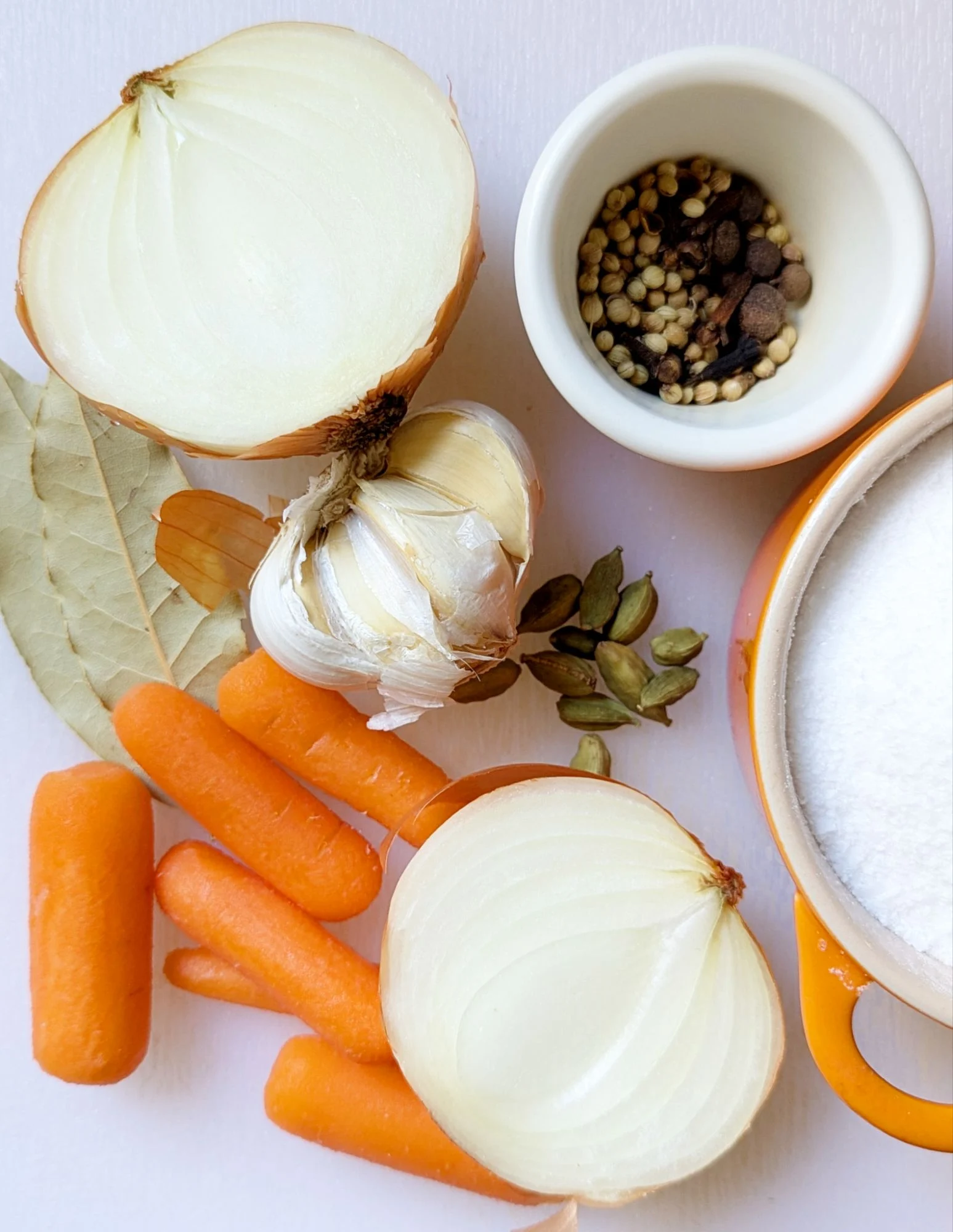
1In a small saucepan, combine the cloves with the cardamom, bay leaf, cinnamon, and 2 cups water and bring to a boil. Add the fish, return to a boil, then reduce the heat to maintain a simmer and poach the fish until cooked through, about 5 minutes.

Typically, bone-in pork chops are thicker than those with the bone removed. A thin pork chop is difficult to cook perfectly with this method, because of the hard sear you give both sides before it goes in the oven.

If a chop is too thin, by the time you’ve seared both sides, the thing is practically overcooked! Choosing a thick chop allows you to get a nice golden sear on both sides and a perfectly cooked tender center.

2Meanwhile, cover the potatoes with generously salted water in a medium saucepan, bring to a boil, and cook until tender, about 20 minutes. Drain the potatoes and let them cool completely.

The goal of this initial sear is to get a golden, crisp crust on your chop without cooking the center. Let it cook a couple minutes undisturbed, then take a peek and see how that golden crust is forming.

When you’re happy with your sear, flip the chop and give it a chance to get golden on the other side.

3Add the potatoes to the bowl with the fish along with the bread crumbs, lime juice, cilantro, cumin, and chile, season with salt, and lightly mash the potatoes with the other ingredients until evenly combine.

Form the mixture into six 3-inch-wide, 3⁄4-inch-thick patties. The meat should be completely white all the way through.

4In a 12-inch nonstick skillet, warm the oil over medium heat. Add the patties and cook, flipping once, until golden brown, about 6 minutes. Transfer the fish patties to a serving platter and serve while hot with mint chutney on the side.

Typically, bone-in pork chops are thicker than those with the bone removed. A thin pork chop is difficult to cook perfectly with this method, because of the hard sear you give both sides before it goes in the oven.

If a chop is too thin, by the time you’ve seared both sides, the thing is practically overcooked! Choosing a thick chop allows you to get a nice golden sear on both sides and a perfectly cooked tender center.

Video

Duck Breast With Blueberry-Port Sauce

0

This oven-baked method will ensure your pork has a delicious crust and a perfectly cooked interior. Just follow these simple rules and prepare yourself to reconsider everything you know about this weeknight-friendly cut.

Pair this delicious dish with a risotto and a nice bottle of wine. This Italian favorite is easy to make and sure to impress your guests.

Ingredients

  • 2 cups half and half
  • 1/4 cup limoncello
  • 3 Tbsp granulated sugar
  • 1/4 tsp vanilla extract
  • 1/2 tsp finely grated lemon zest
  • 1/8 tsp kosher salt
  • 3 large eggs
  • Unsalted butter, for buttering the casserole dish
  • 5 cups challah (about 8 oz)

Directions

1In a small saucepan, combine the cloves with the cardamom, bay leaf, cinnamon, and 2 cups water and bring to a boil. Add the fish, return to a boil, then reduce the heat to maintain a simmer and poach the fish until cooked through, about 5 minutes.

Typically, bone-in pork chops are thicker than those with the bone removed. A thin pork chop is difficult to cook perfectly with this method, because of the hard sear you give both sides before it goes in the oven.

If a chop is too thin, by the time you’ve seared both sides, the thing is practically overcooked! Choosing a thick chop allows you to get a nice golden sear on both sides and a perfectly cooked tender center.

2Meanwhile, cover the potatoes with generously salted water in a medium saucepan, bring to a boil, and cook until tender, about 20 minutes. Drain the potatoes and let them cool completely.

The goal of this initial sear is to get a golden, crisp crust on your chop without cooking the center. Let it cook a couple minutes undisturbed, then take a peek and see how that golden crust is forming.

When you’re happy with your sear, flip the chop and give it a chance to get golden on the other side.

3Add the potatoes to the bowl with the fish along with the bread crumbs, lime juice, cilantro, cumin, and chile, season with salt, and lightly mash the potatoes with the other ingredients until evenly combine.

Form the mixture into six 3-inch-wide, 3⁄4-inch-thick patties. The meat should be completely white all the way through.

4In a 12-inch nonstick skillet, warm the oil over medium heat. Add the patties and cook, flipping once, until golden brown, about 6 minutes. Transfer the fish patties to a serving platter and serve while hot with mint chutney on the side.

Typically, bone-in pork chops are thicker than those with the bone removed. A thin pork chop is difficult to cook perfectly with this method, because of the hard sear you give both sides before it goes in the oven.

If a chop is too thin, by the time you’ve seared both sides, the thing is practically overcooked! Choosing a thick chop allows you to get a nice golden sear on both sides and a perfectly cooked tender center.

Video

Creamy Gorgonzola Farfalle With Apples & Pecans

0

This oven-baked method will ensure your pork has a delicious crust and a perfectly cooked interior. Just follow these simple rules and prepare yourself to reconsider everything you know about this weeknight-friendly cut.

Pair this delicious dish with a risotto and a nice bottle of wine. This Italian favorite is easy to make and sure to impress your guests.

Ingredients

  • 2 cups half and half
  • 1/4 cup limoncello
  • 3 Tbsp granulated sugar
  • 1/4 tsp vanilla extract
  • 1/2 tsp finely grated lemon zest
  • 1/8 tsp kosher salt
  • 3 large eggs
  • Unsalted butter, for buttering the casserole dish
  • 5 cups challah (about 8 oz)

Directions

1In a small saucepan, combine the cloves with the cardamom, bay leaf, cinnamon, and 2 cups water and bring to a boil. Add the fish, return to a boil, then reduce the heat to maintain a simmer and poach the fish until cooked through, about 5 minutes.

Typically, bone-in pork chops are thicker than those with the bone removed. A thin pork chop is difficult to cook perfectly with this method, because of the hard sear you give both sides before it goes in the oven.

If a chop is too thin, by the time you’ve seared both sides, the thing is practically overcooked! Choosing a thick chop allows you to get a nice golden sear on both sides and a perfectly cooked tender center.

2Meanwhile, cover the potatoes with generously salted water in a medium saucepan, bring to a boil, and cook until tender, about 20 minutes. Drain the potatoes and let them cool completely.

The goal of this initial sear is to get a golden, crisp crust on your chop without cooking the center. Let it cook a couple minutes undisturbed, then take a peek and see how that golden crust is forming.

When you’re happy with your sear, flip the chop and give it a chance to get golden on the other side.

3Add the potatoes to the bowl with the fish along with the bread crumbs, lime juice, cilantro, cumin, and chile, season with salt, and lightly mash the potatoes with the other ingredients until evenly combine.

Form the mixture into six 3-inch-wide, 3⁄4-inch-thick patties. The meat should be completely white all the way through.

4In a 12-inch nonstick skillet, warm the oil over medium heat. Add the patties and cook, flipping once, until golden brown, about 6 minutes. Transfer the fish patties to a serving platter and serve while hot with mint chutney on the side.

Typically, bone-in pork chops are thicker than those with the bone removed. A thin pork chop is difficult to cook perfectly with this method, because of the hard sear you give both sides before it goes in the oven.

If a chop is too thin, by the time you’ve seared both sides, the thing is practically overcooked! Choosing a thick chop allows you to get a nice golden sear on both sides and a perfectly cooked tender center.

Video

Knafeh – Traditional Middle Eastern Cheese Dessert

0

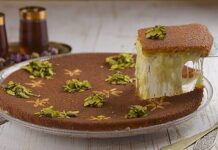
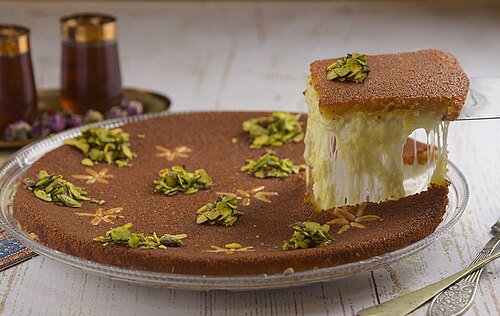
Knafeh is one of the most famous desserts in Middle Eastern cuisine, loved for its crispy golden pastry, melted cheese filling, and sweet sugar syrup. Originating from Nablus, Knafeh has become a beloved dessert throughout the Levant and the wider Arab world.

Known for its unique combination of textures, Knafeh features a crispy layer of shredded pastry or semolina dough, a soft cheese filling, and a fragrant syrup flavored with rose water or orange blossom water. It is traditionally served warm, allowing the cheese to remain soft and stretchy with every bite.

Ingredients

For the Knafeh

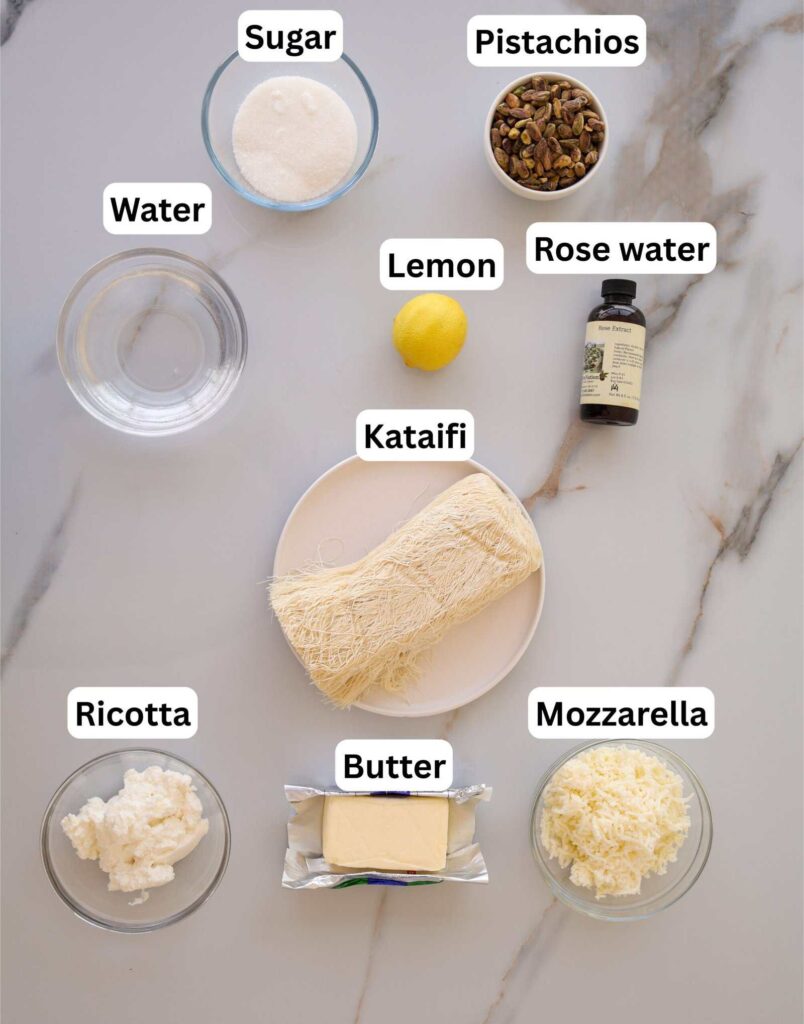
  • 500g shredded kataifi pastry (kunafa dough)
  • 200g unsalted butter, melted
  • 500g soft Arabic cheese (Nabulsi, Akkawi, or mozzarella)
  • 2 tbsp sugar

For the Sugar Syrup

  • 2 cups sugar
  • 1 cup water
  • 1 tsp lemon juice
  • 1 tsp rose water or orange blossom water

For Garnish

  • Crushed pistachios
  • Extra syrup for serving

Directions

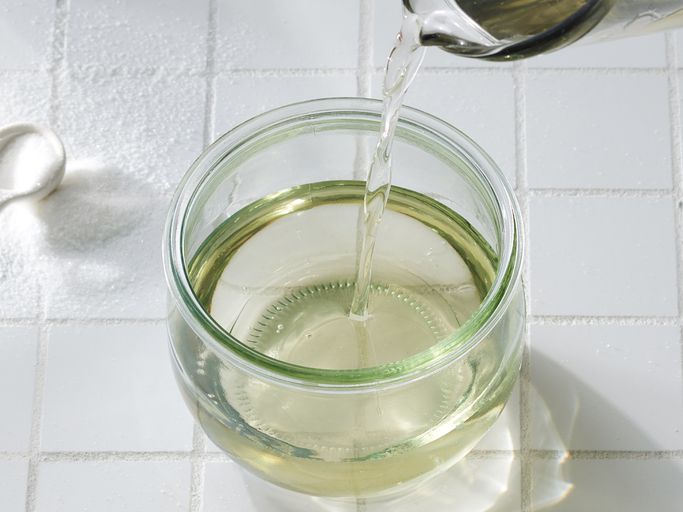
1Prepare the syrup by combining sugar, water, and lemon juice in a saucepan. Bring to a boil and simmer for 10 minutes. Remove from heat and add rose water or orange blossom water. Let cool completely.

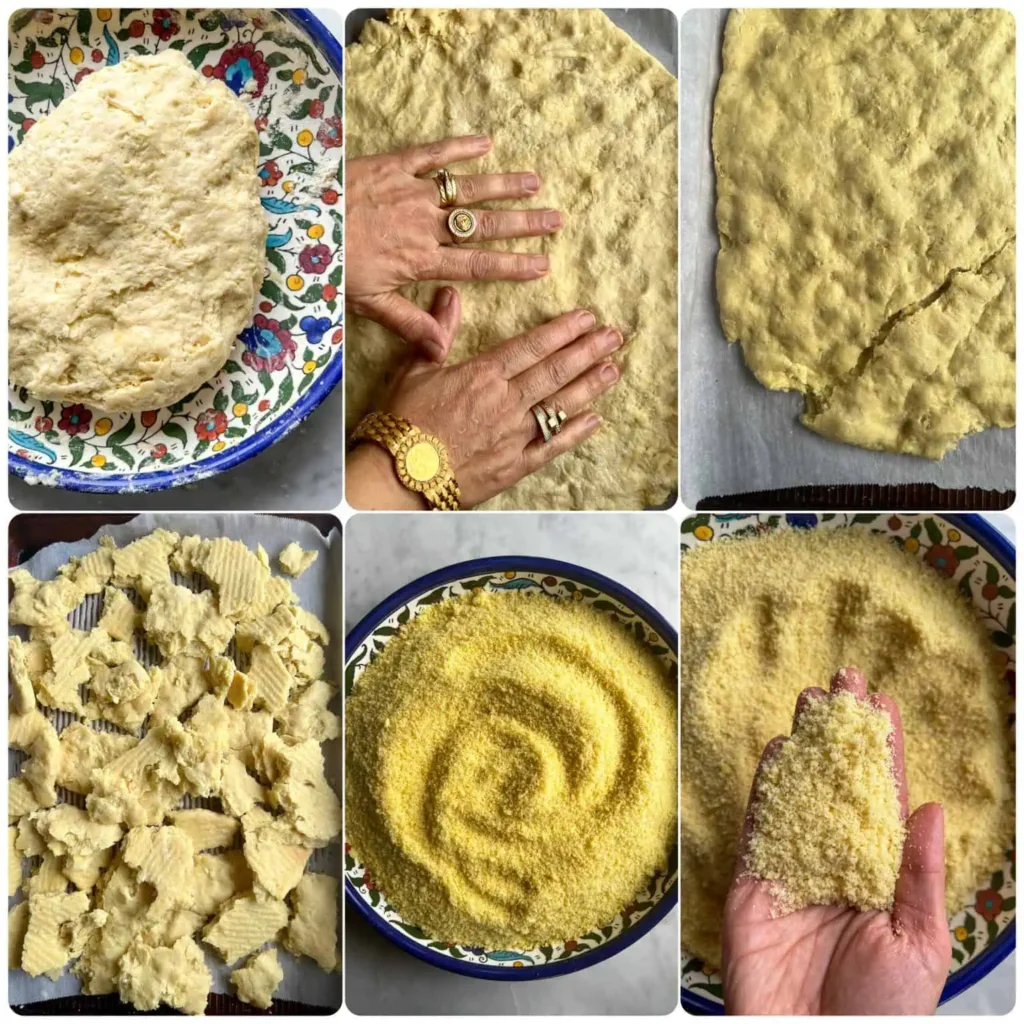
2Separate the kataifi pastry strands and mix them thoroughly with the melted butter until evenly coated.

3Grease a round baking tray and press half of the pastry mixture into the bottom, creating an even layer.

4Spread the cheese evenly over the pastry, leaving a small border around the edges.

Cover with the remaining pastry and gently press down.

5Bake in a preheated oven at 180°C (350°F) for 35–40 minutes, or until golden brown and crispy.

6Remove from the oven and immediately pour the cooled syrup over the hot Knafeh.

7Remove from the oven and immediately pour the cooled syrup over the hot Knafeh.

8Garnish with crushed pistachios and serve warm.

What Does Knafeh Taste Like?

Knafeh offers a perfect balance of sweet and savory flavors. The crispy pastry contrasts beautifully with the soft melted cheese, while the syrup adds sweetness without overwhelming the dish. The result is a rich, indulgent dessert that is both comforting and unforgettable.

Why Is Knafeh So Popular?

Knafeh is more than a dessert—it is a symbol of celebration across the Levant. It is commonly served during family gatherings, holidays, weddings, and special occasions. From traditional bakeries to modern dessert shops, Knafeh continues to be one of the most iconic Middle Eastern sweets, bringing people together with its warm, rich flavor and centuries-old tradition.

Video