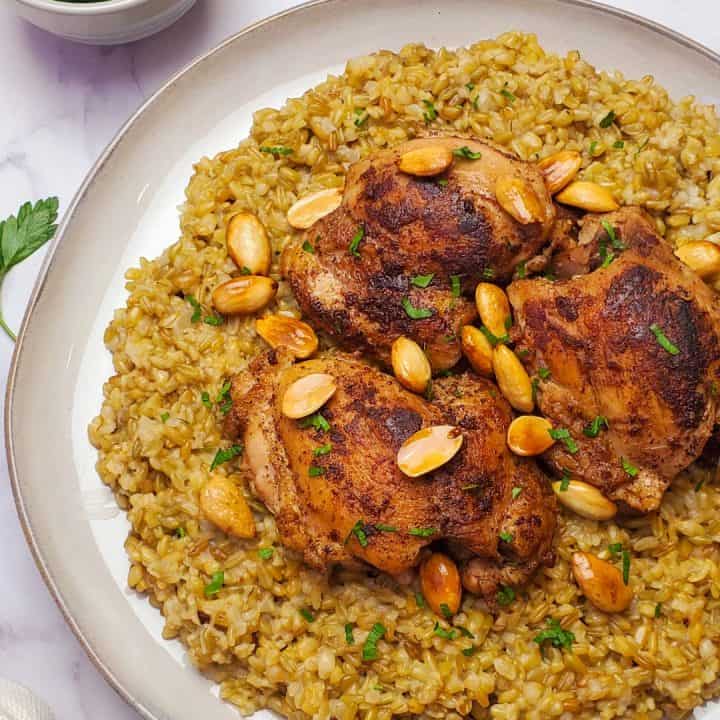

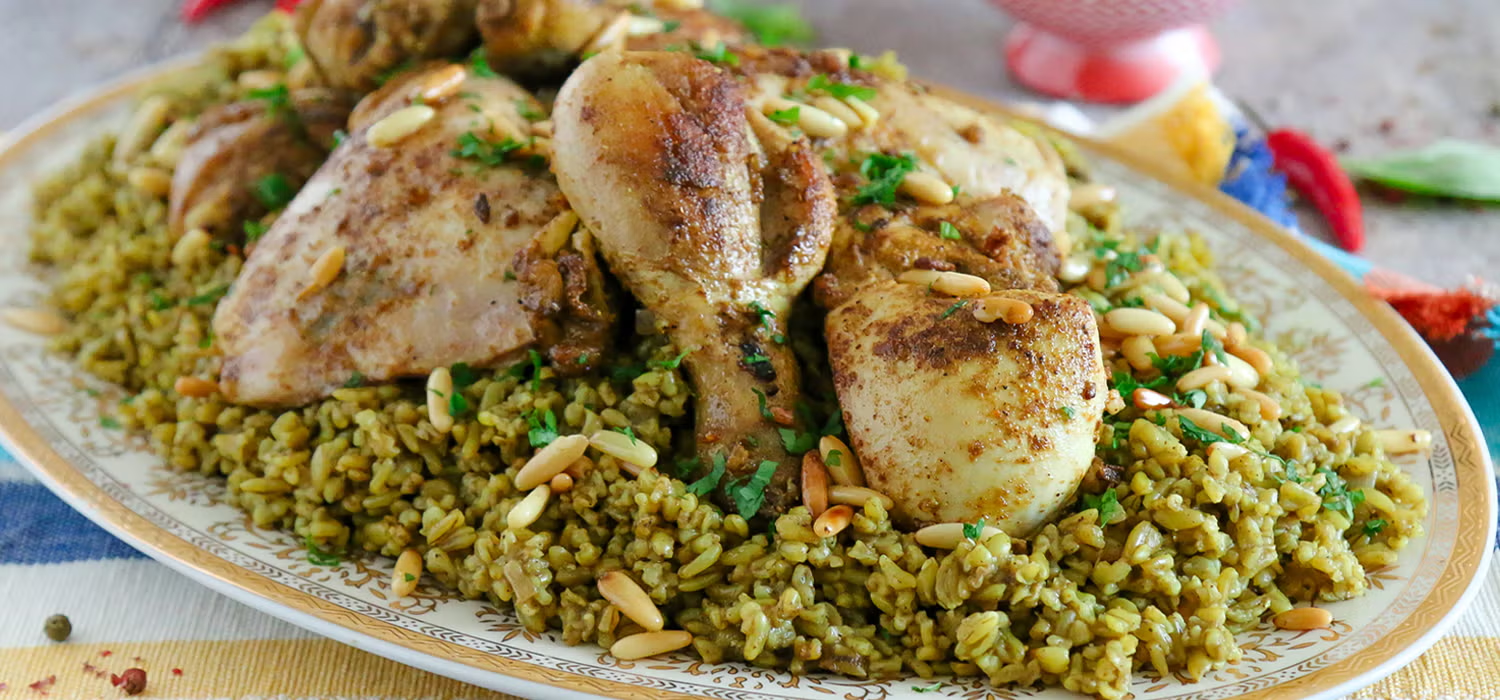
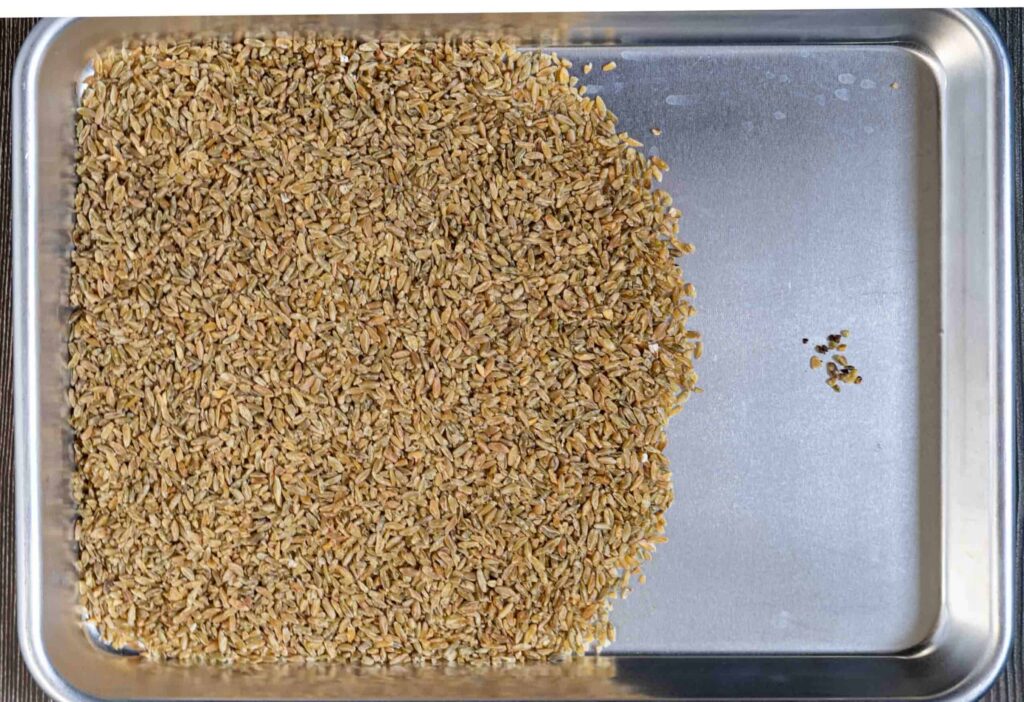
Freekeh is one of the oldest traditional grains in Levantine cuisine. It is made from young green wheat that is harvested early, then roasted over fire, and rubbed to remove the burnt outer layers. This process gives freekeh its unique smoky flavor and rich aroma.
Historically, freekeh is believed to have originated in farming communities across the Levant, including regions of modern-day Palestine, Syria, Jordan, and Lebanon. One traditional explanation says that farmers discovered freekeh accidentally when green wheat fields were exposed to fire, and they tried to salvage the damaged crops by roasting and rubbing the grains.
First of all, freekeh became a practical solution for preserving wheat. In addition, it provided a nutritious and filling grain that could be stored for long periods.
Moreover, freekeh became an important part of rural Levantine diets. It was often cooked with meat, chicken, or vegetables and served as a complete family meal.
Finally, freekeh is still widely used today in both traditional and modern kitchens, valued for its smoky taste, health benefits, and deep cultural roots.
Ingredients
- Freekeh (green roasted wheat)
- Chicken or lamb pieces (optional, for traditional version)
- Onion (chopped)
- Garlic (optional)
- Olive oil or ghee (samneh)
- Chicken or meat broth
- Salt
- Black pepper
- Cumin or mixed spices (optional)
- Almonds or pine nuts (for garnish)
Directions
1Cook the meat (optional base):
In a large pot, cook chicken or lamb with onion, salt, and spices. Add water and simmer until the meat becomes tender and a rich broth is formed.
2Prepare the freekeh:
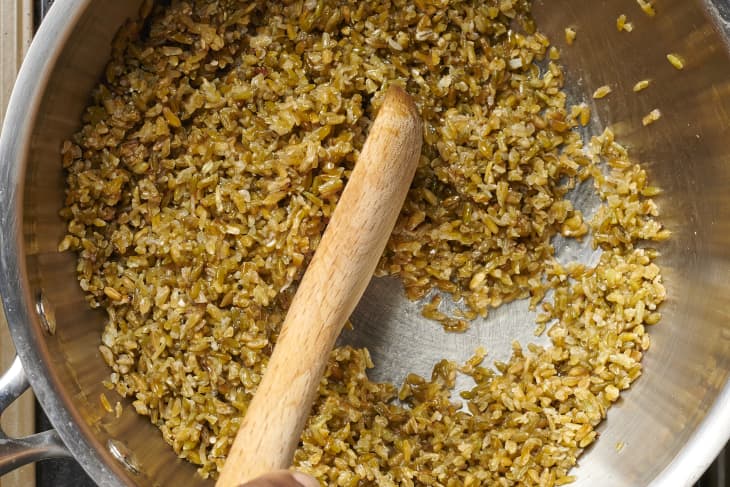
Wash the freekeh lightly, then add it to the broth. Cook over medium heat until it absorbs the liquid and becomes soft.
3Build the flavor:
Form the mixture into six 3-inch-wide, 3⁄4-inch-thick patties. The meat should be completely white all the way through.
4Rest the dish:
Let the freekeh sit for a few minutes so the flavors settle and the texture becomes more balanced.
5Garnish and serve:
Top with toasted almonds or pine nuts and serve hot.
Serving Style
Freekeh is traditionally served as a main dish, often in a large shared plate. It is eaten during family meals, gatherings, and seasonal cooking.
It is also served with yogurt or salad on the side for balance.
Conclusion
Freekeh is more than just a grain. It is a symbol of Levantine rural life, traditional cooking, and resourceful food culture that continues to exist today.