

Ana Sayfa Blog Sayfa 4

Kibbeh – Traditional Levantine Stuffed Meat & Bulgur Dish

0

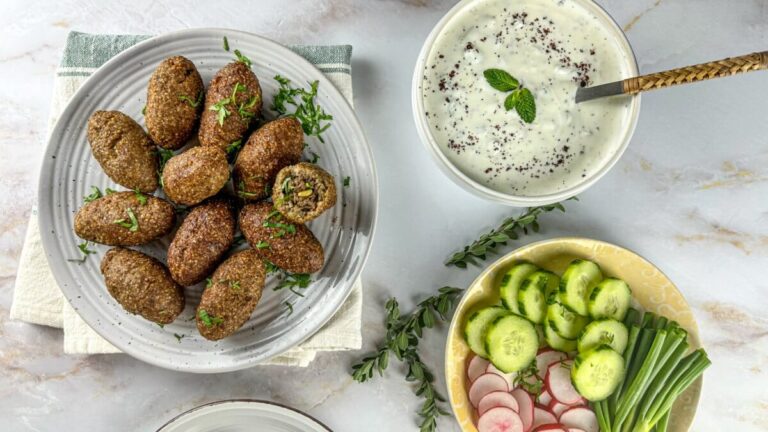
Kibbeh is one of the most iconic main dishes in Levantine cuisine, known for its rich flavor, variety of forms, and deep cultural history. Made from finely ground bulgur wheat mixed with spiced meat, kibbeh can be shaped, stuffed, baked, fried, or even served raw in some regional traditions.

It is widely enjoyed across cities like Aleppo, Beirut, and Damascus, where each region has its own version and technique.

Ingredients

For the Outer Shell

  • 2 cups fine bulgur wheat
  • 300g ground beef or lamb
  • 1 small onion, finely grated
  • 1 tsp salt
  • 1 tsp black pepper
  • 1 tsp allspice
  • 1/2 tsp cinnamon (optional)
  • Cold water (as needed)

For the Filling

  • 300g ground beef or lamb
  • 1 onion, finely chopped
  • 2 tbsp olive oil
  • 1/2 cup pine nuts (optional)
  • 1 tsp salt
  • 1 tsp black pepper
  • 1 tsp allspice
  • 1/2 tsp cinnamon (optional)

Directions

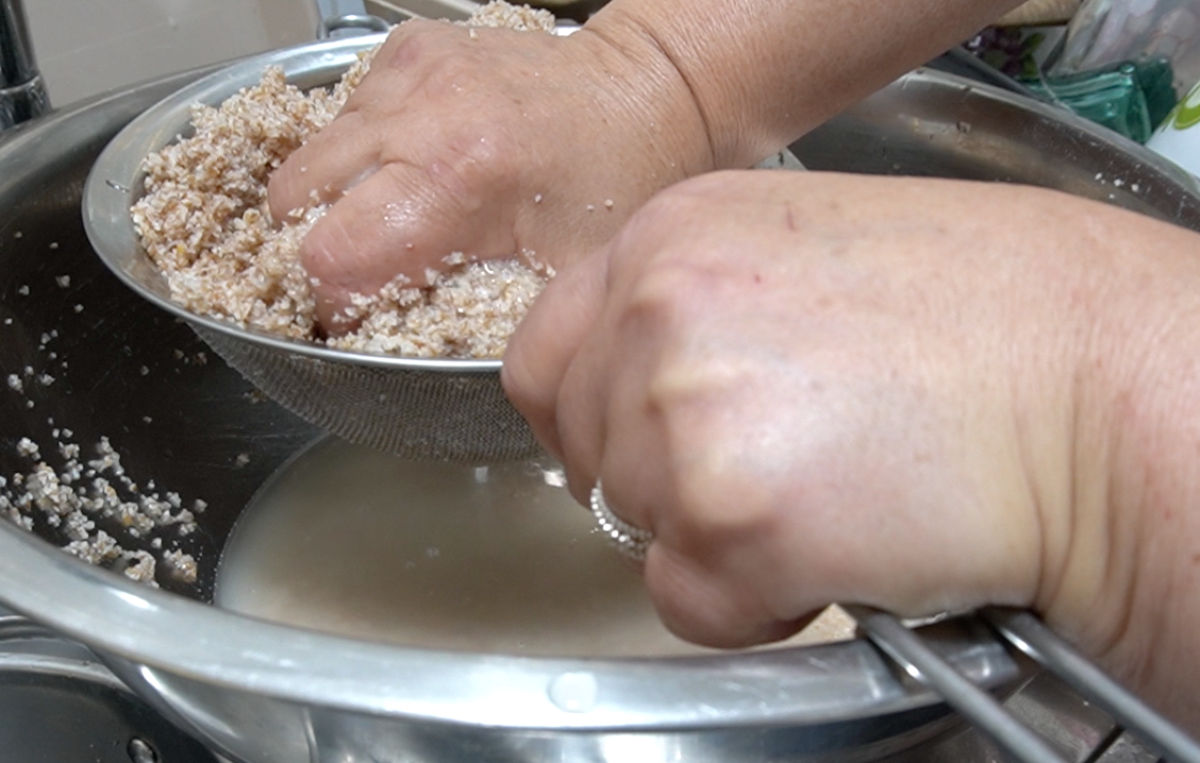
1Wash the bulgur and soak it in water for about 15–20 minutes until softened, then drain well.
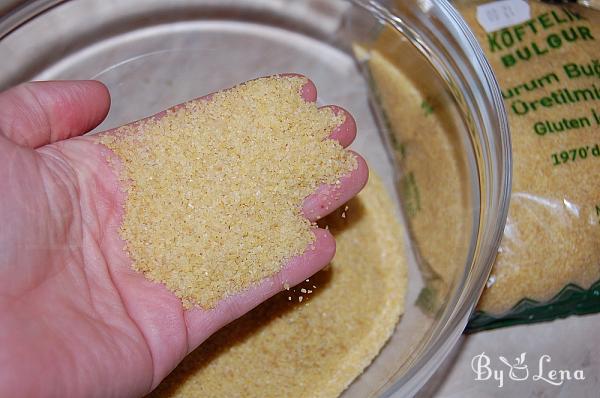
2Mix the bulgur with ground meat, grated onion, and spices. Knead until it becomes a smooth dough-like mixture.

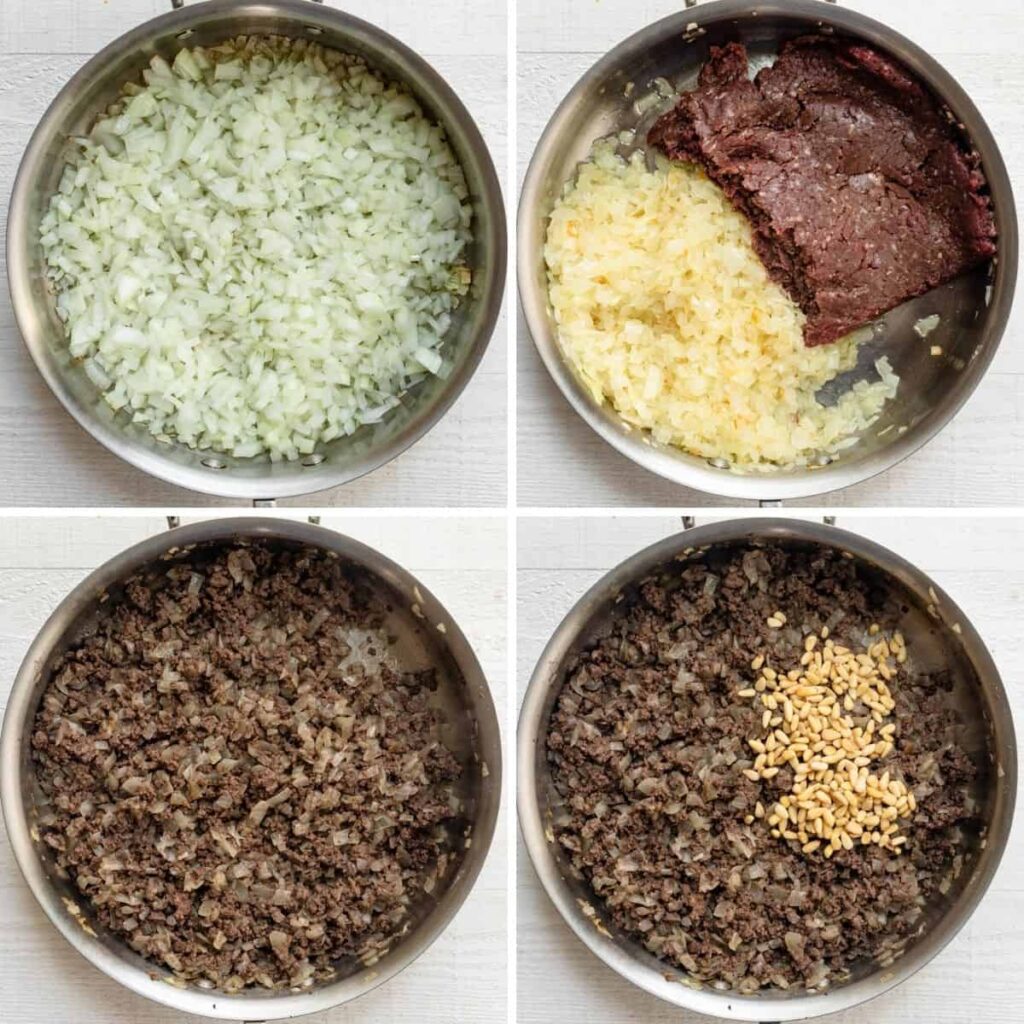
3In a pan, cook the filling by sautéing onions in olive oil, then adding minced meat, spices, and pine nuts. Cook until browned and fragrant.
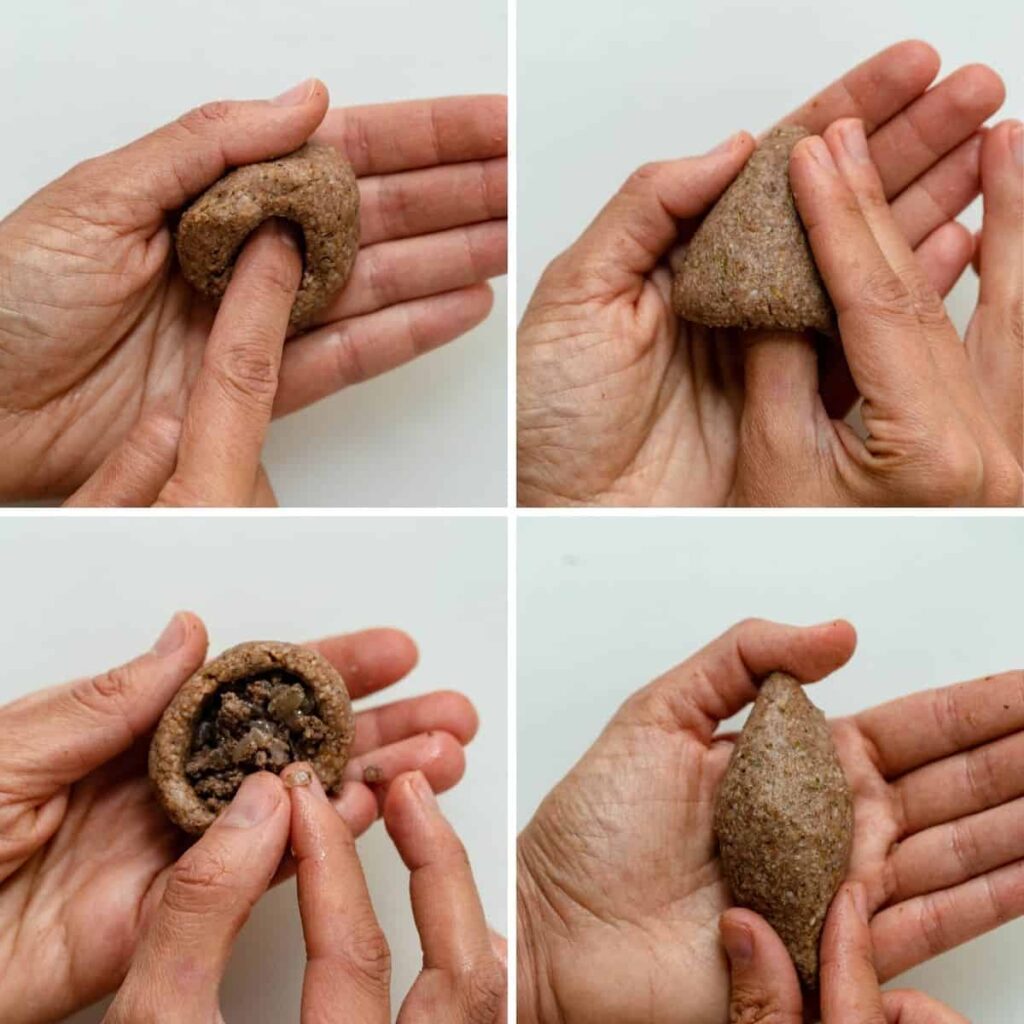
4Take a portion of the kibbeh dough and shape it into an oval shell using wet hands.

5Fill the center with the cooked meat mixture and carefully seal the edges.

6Shape into oval or football-like forms.
7Fry in hot oil until golden brown, or bake at 180°C (350°F) for a lighter version.

What Does Kibbeh Taste Like?

Kibbeh has a rich, spiced flavor with a crispy outer layer and a soft, savory filling inside. The combination of bulgur and meat creates a hearty texture, while the spices give warmth and depth to every bite.

Why Is Kibbeh So Popular?

Kibbeh is considered one of the most versatile dishes in Levantine cuisine. It appears in many forms—fried, baked, grilled, or raw—and is often served during family gatherings and celebrations. Its adaptability and rich taste make it a staple of traditional Levantine cooking.
Video

Shish Barak – Traditional Levantine Dumplings in Yogurt Sauce

0

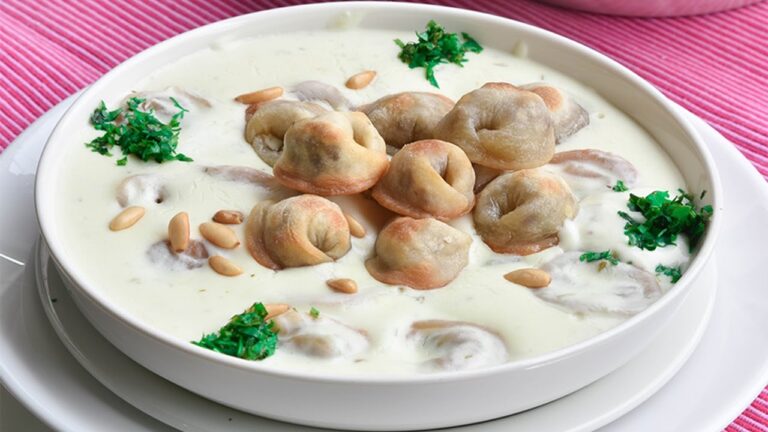
Shish Barak is a classic Levantine main dish made of small meat-filled dumplings cooked in a warm yogurt sauce. It is rich, comforting, and deeply traditional, known for its unique combination of tender dough, spiced meat, and creamy tangy yogurt.


This dish is especially popular in Damascus and across Lebanese, Jordanian, and Palestinian kitchens, where it is often prepared for family meals and special gatherings.This oven-baked method will ensure your pork has a delicious crust and a perfectly cooked interior. Just follow these simple rules and prepare yourself to reconsider everything you know about this weeknight-friendly cut.

Ingredients

For the Dough

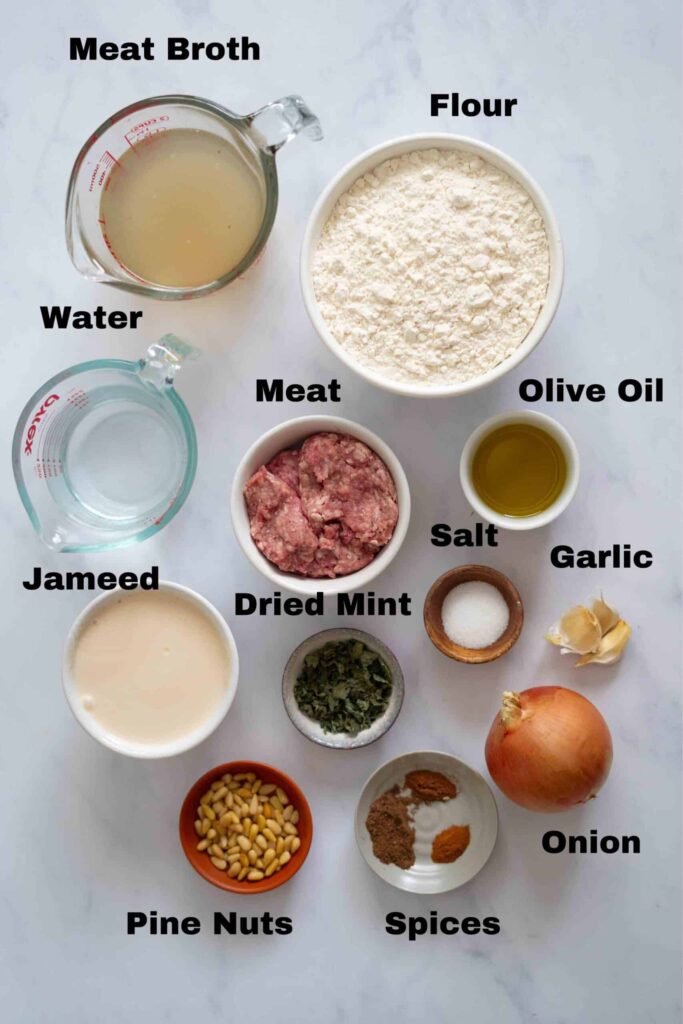
  • 2 cups all-purpose flour
  • 1/2 tsp salt
  • 1 tbsp oil
  • 3/4 cup water (as needed)

For the Filling

  • 300g ground beef or lamb
  • 1 small onion, finely chopped
  • 1 tbsp olive oil
  • 1 tsp salt
  • 1 tsp black pepper
  • 1 tsp allspice
  • 1/2 tsp cinnamon (optional)

For the Yogurt Sauce

  • 3 cups plain yogurt
  • 1 tbsp cornstarch (to stabilize yogurt)
  • 1 egg yolk (optional, for richness)
  • 2 cloves garlic, crushed
  • Salt, to taste

For Cooking

  • 1 tbsp butter or ghee
  • Fresh coriander or mint (optional garnish)

Directions

1Prepare the dough by mixing flour, salt, oil, and water until smooth. Let it rest for 20–30 minutes.

2Cook the filling by sautéing onions in olive oil, then adding ground meat and spices. Cook until fully browned and set aside.

3Roll out the dough thinly and cut into small circles.

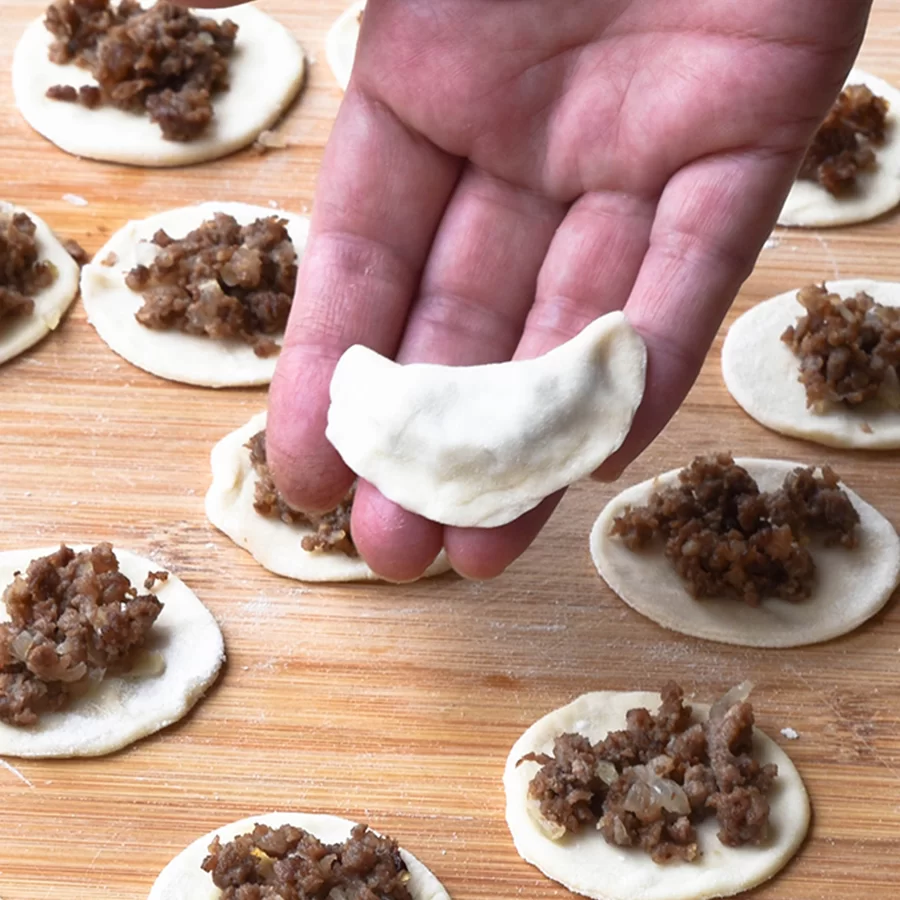
4Place a small amount of filling in each circle, fold into half-moons, and seal the edges.

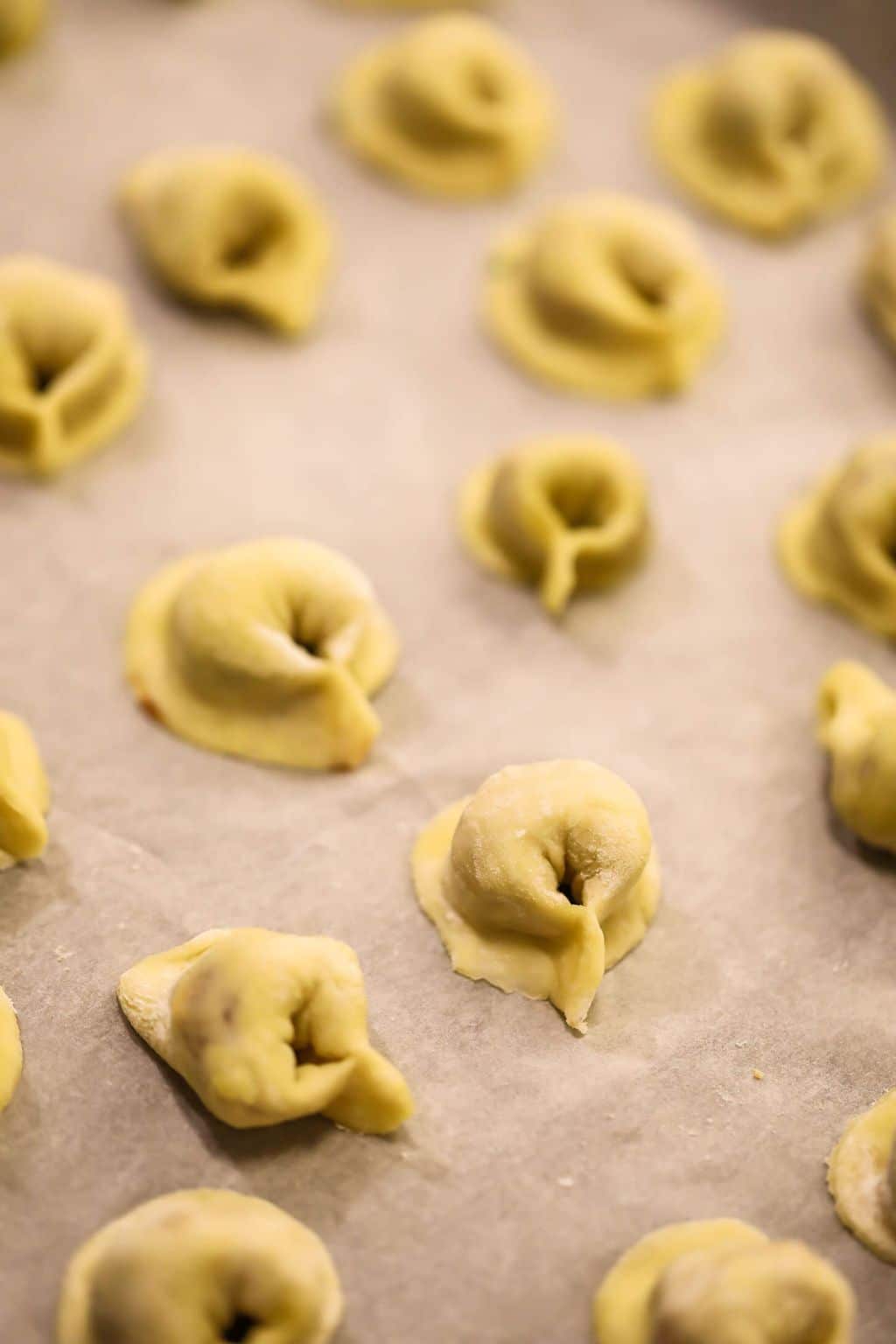
Shape into small dumplings and bake or lightly fry until slightly firm.

5In a pot, whisk yogurt with cornstarch and cook over low heat, stirring constantly to prevent curdling.

6Add the dumplings into the yogurt sauce and simmer gently until fully cooked and flavors combine.

7In a small pan, melt butter or ghee and sauté garlic until fragrant, then pour over the dish.

8Garnish with fresh coriander or mint and serve warm.

What Does Shish Barak Taste Like?

Shish Barak has a rich, tangy, and creamy flavor from the yogurt sauce, balanced with the spiced meat filling inside soft dumplings. The garlic and herbs add aroma, making it a comforting and deeply satisfying dish.

Why Is Shish Barak So Popular?

Shish Barak is a traditional home-style dish often prepared for family meals. It represents patience and care in cooking, as each dumpling is handmade. Its creamy texture and warm flavor make it one of the most comforting dishes in Levantine cuisine.

Video

Mujaddara – Traditional Lentils, Rice & Caramelized Onions

0

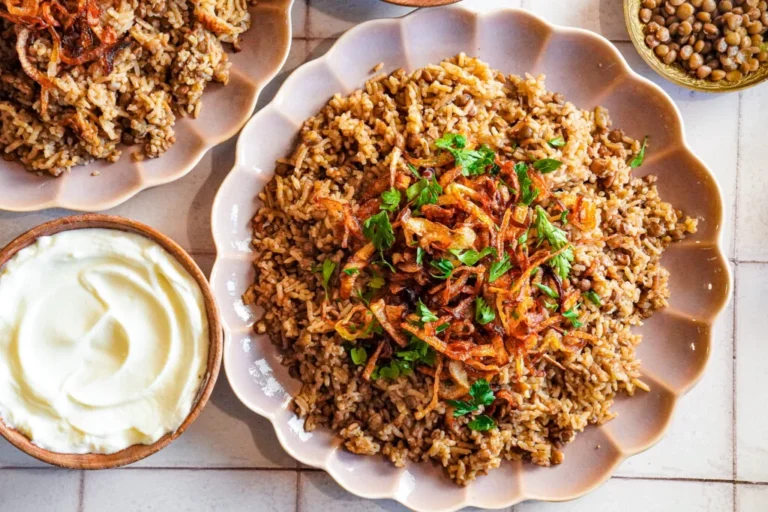
Mujaddara is one of the most iconic and humble main dishes in Levantine cuisine, made from lentils, rice, and deeply caramelized onions. Simple in ingredients but rich in flavor, it is known as a comfort food that appears on everyday tables across the region.

This dish is especially popular in countries like Beirut, Damascus, and throughout Palestinian and Jordanian households, where it is valued for being affordable, filling, and deeply satisfying.

Ingredients

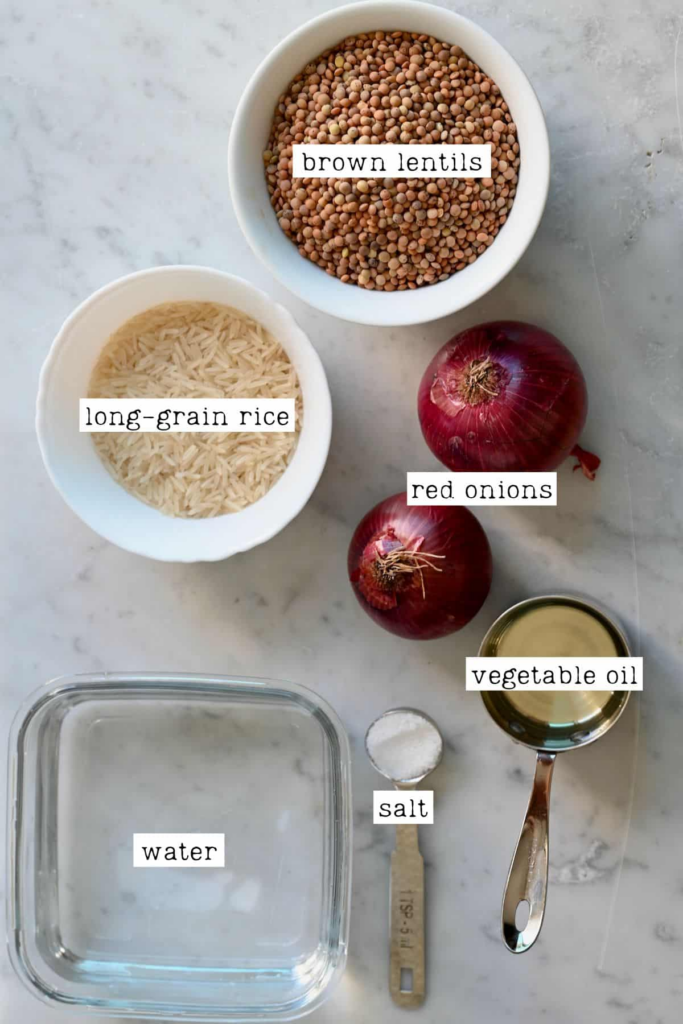
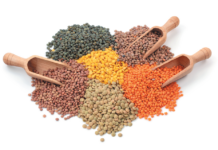
  • 1 cup brown or green lentils
  • 1 cup rice (short or medium grain)
  • 3 large onions, thinly sliced
  • 4–5 tbsp olive oil
  • 1 tsp salt
  • 1 tsp cumin
  • 1/2 tsp black pepper
  • 1/2 tsp allspice (optional)
  • Water for boiling

Directions

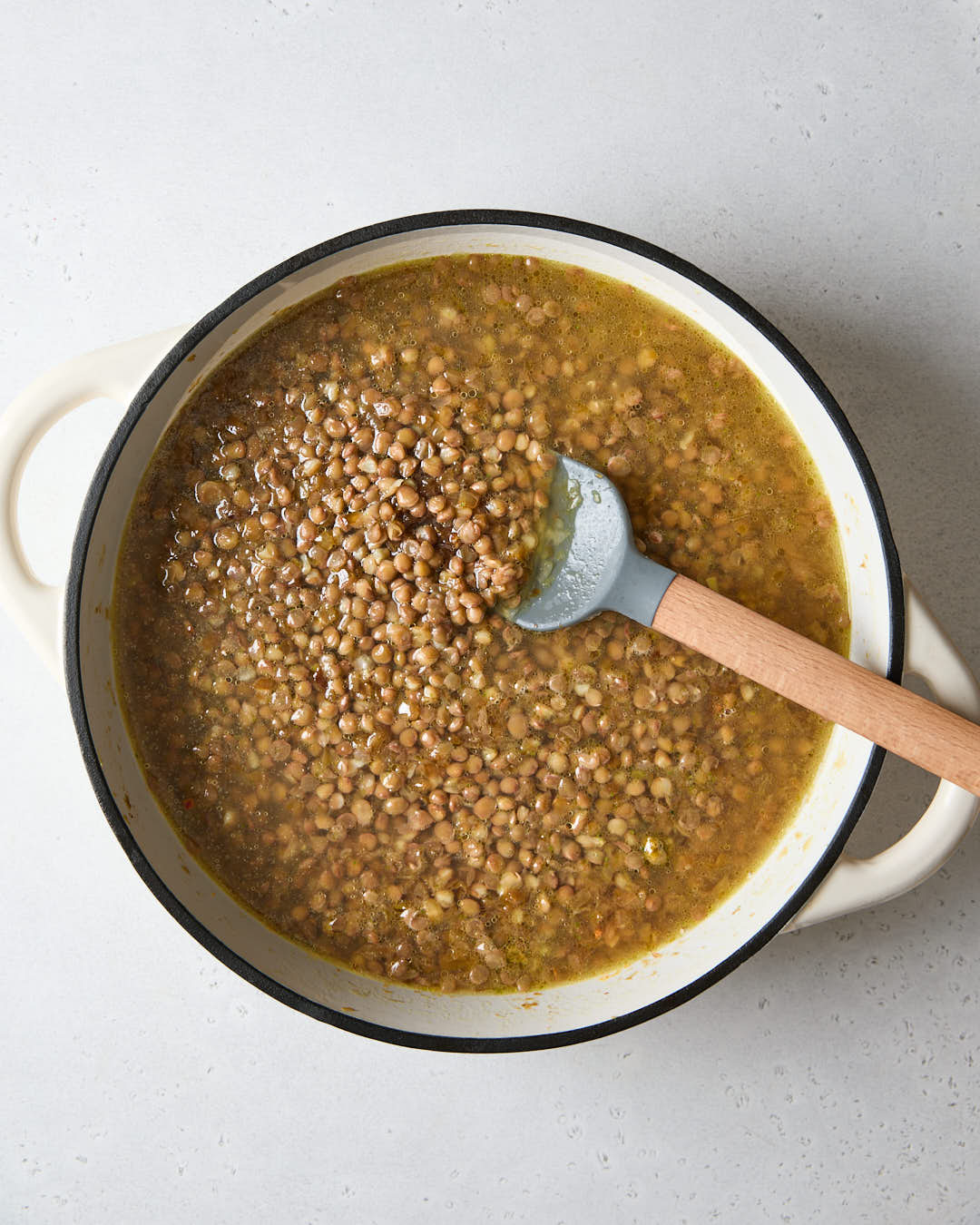
1Rinse the lentils and boil them in water until they are partially cooked but still firm.

2Add the rice directly into the pot with the lentils, along with salt, cumin, and spices.

3Add enough water to fully cook the rice and simmer on low heat until both lentils and rice are tender.

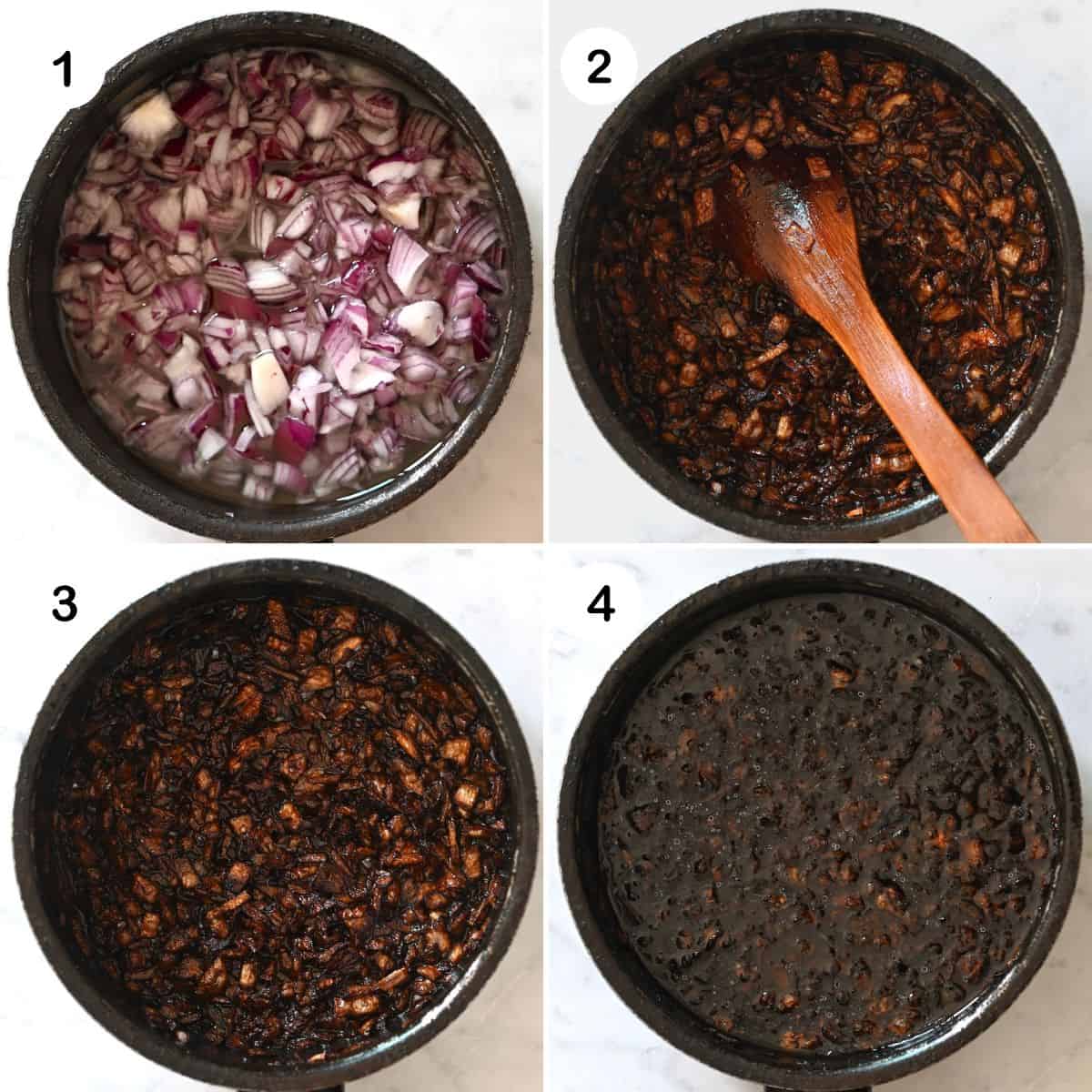
4Mix half of the caramelized onions into the lentils and rice mixture.

5Serve the mujaddara in a plate or bowl, topped with the remaining crispy onions.

What Does Mujaddara Taste Like?

Mujaddara has a warm, earthy flavor with soft lentils, fluffy rice, and sweet, crispy onions on top. The caramelized onions are the key element, adding depth and richness to an otherwise simple dish.

Why Is Mujaddara So Popular?

Mujaddara is considered a staple comfort food in Levantine homes. It is easy to prepare, made from basic pantry ingredients, and naturally vegan, making it accessible to many families. Despite its simplicity, it is deeply satisfying and often served with yogurt, salad, or pickles.

Video

Maftoul – Traditional Palestinian Pearl Couscous Dish

0

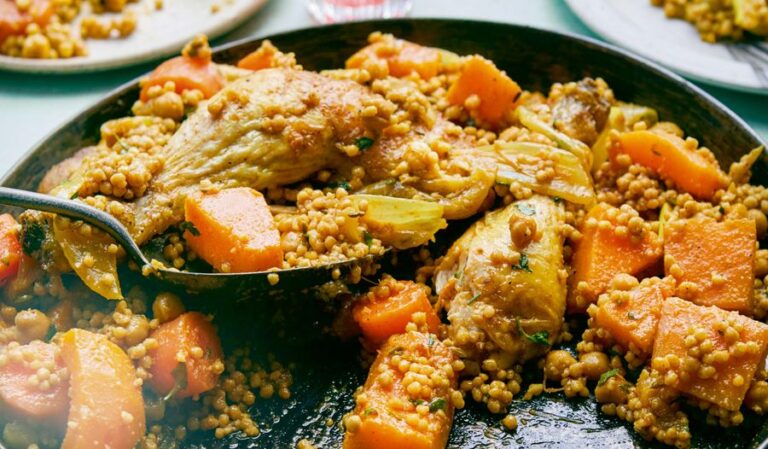
Maftoul is a traditional Levantine main dish made from hand-rolled bulgur wheat granules, often compared to couscous but larger in texture and richer in flavor. It is especially popular in Palestinian cuisine and is known for its earthy taste, comforting warmth, and nourishing ingredients.

This dish is widely prepared in homes across Jerusalem and surrounding regions, often served during family gatherings and special meals.

Ingredients

For the Maftoul

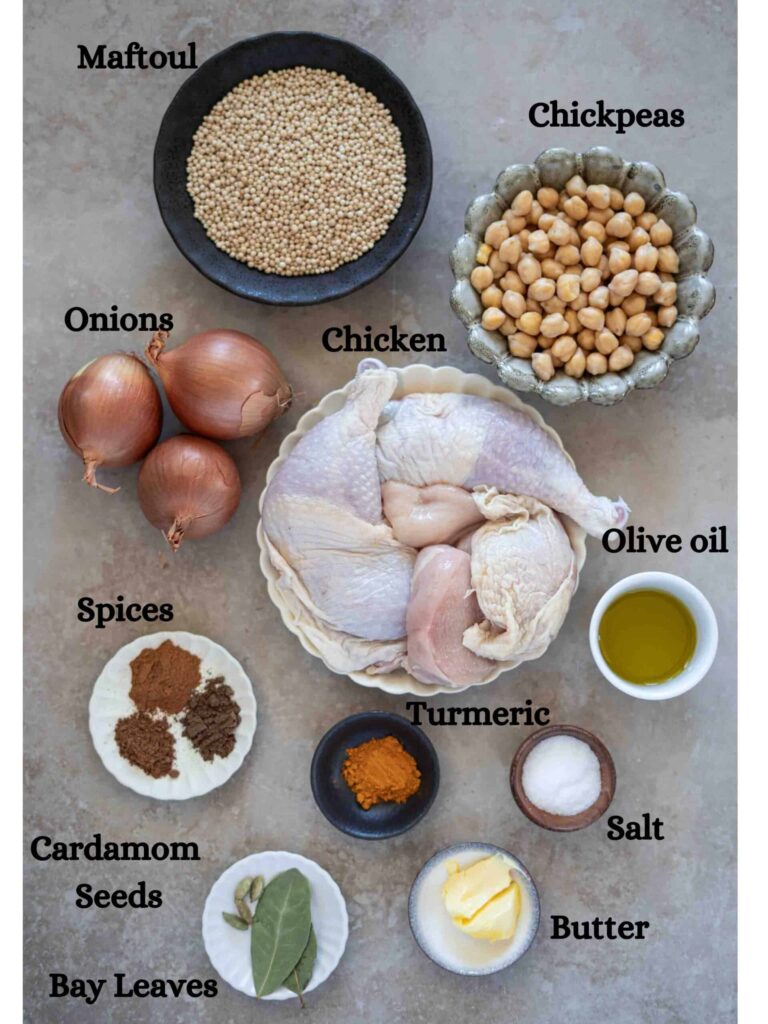
  • 2 cups maftoul (hand-rolled bulgur)
  • 2–3 tbsp olive oil or butter
  • 1 onion, chopped
  • 1 tsp salt
  • 1 tsp black pepper
  • 1 tsp allspice
  • 1/2 tsp cinnamon (optional)

For the Chicken or Broth

  • 500g chicken pieces (or lamb, optional)
  • 1 onion, quartered
  • 2–3 cloves garlic
  • 2 bay leaves
  • 1 cinnamon stick (optional)
  • Water for boiling
  • Salt, to taste

For the Vegetables

  • 1 cup chickpeas (cooked)
  • 2 carrots, chopped
  • 1 zucchini, chopped (optional)
  • 1 tbsp olive oil

Directions

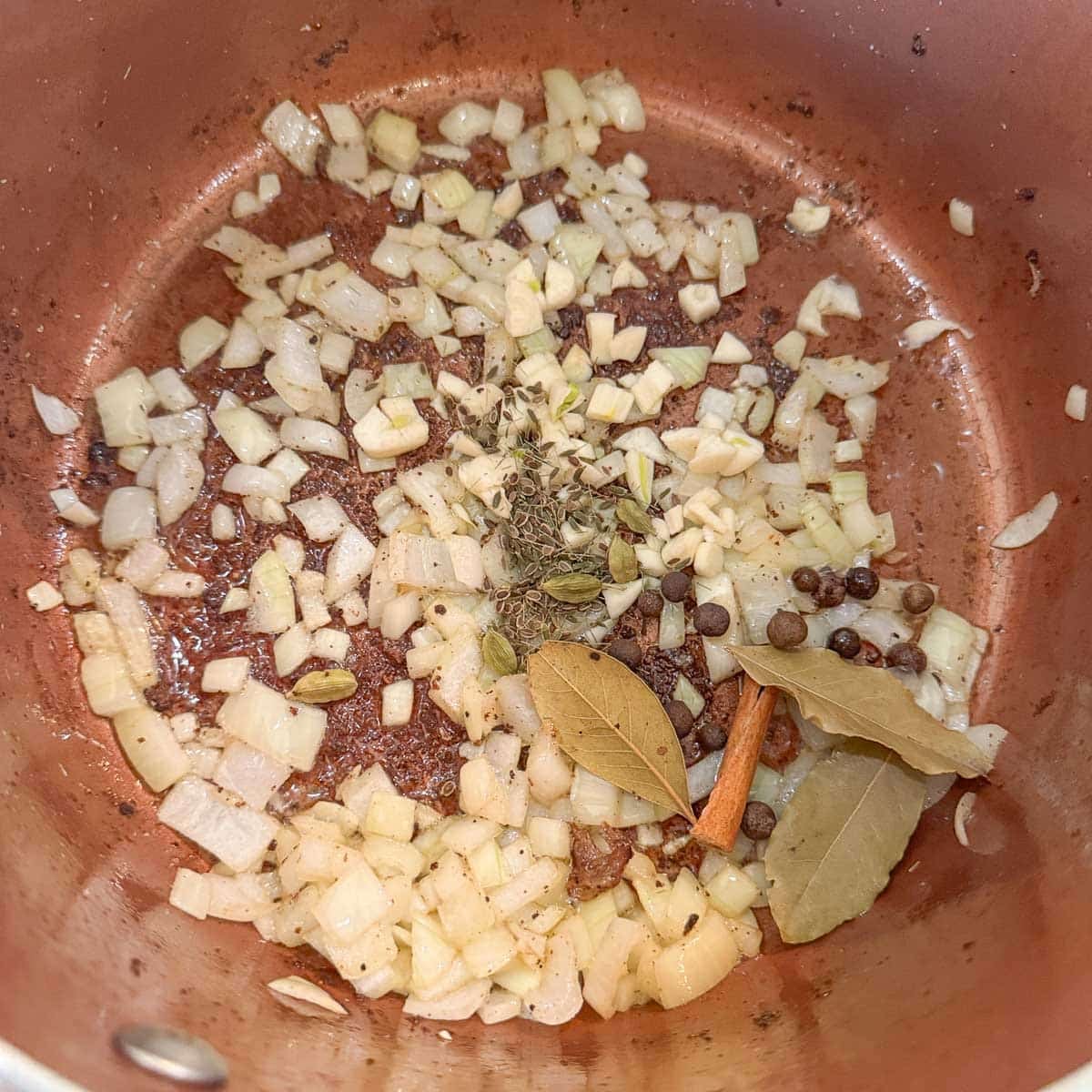
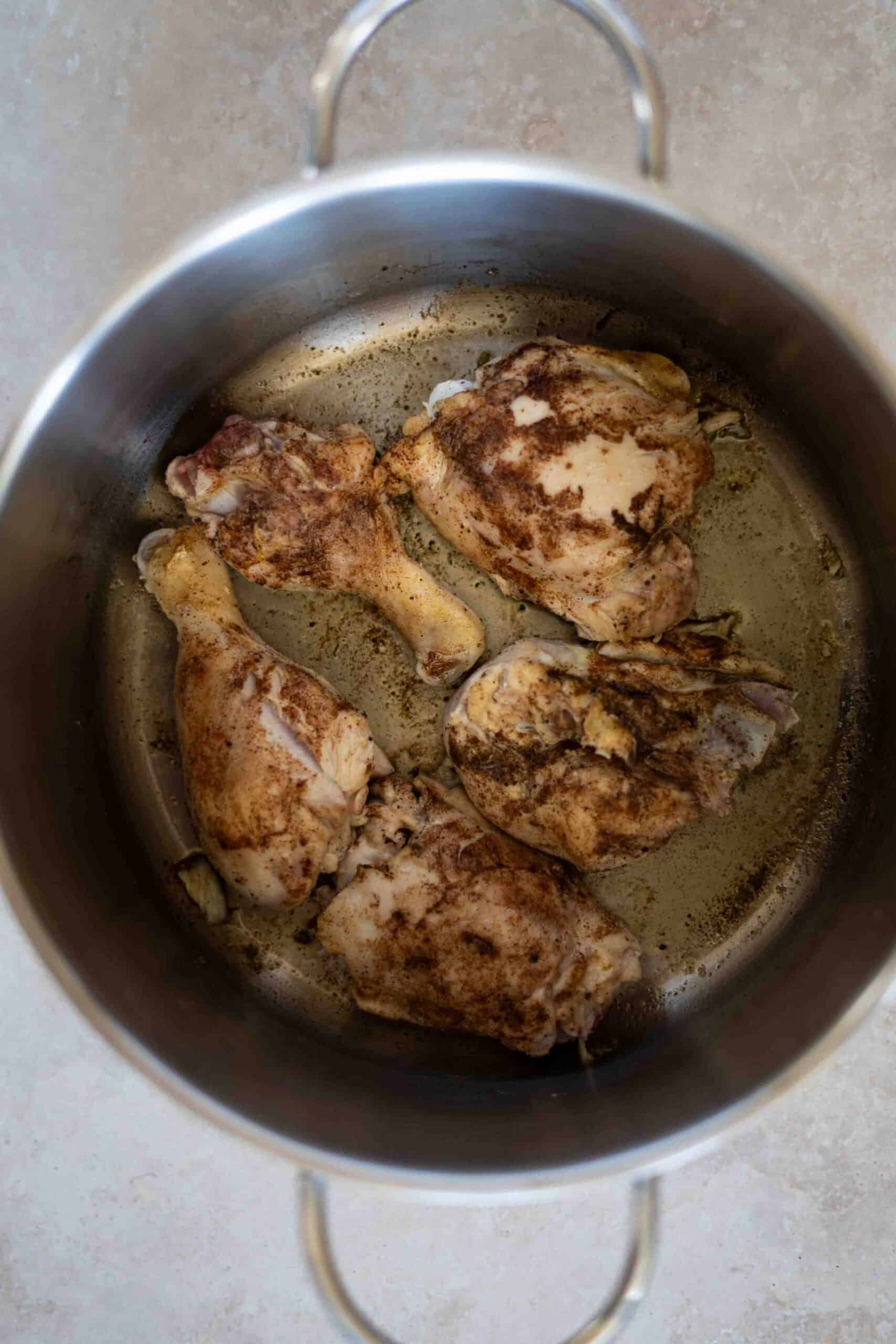
1Boil the chicken with onion, garlic, bay leaves, and spices until tender. Keep the broth for cooking the maftoul.

In a pot, sauté chopped onions in olive oil until soft and golden.

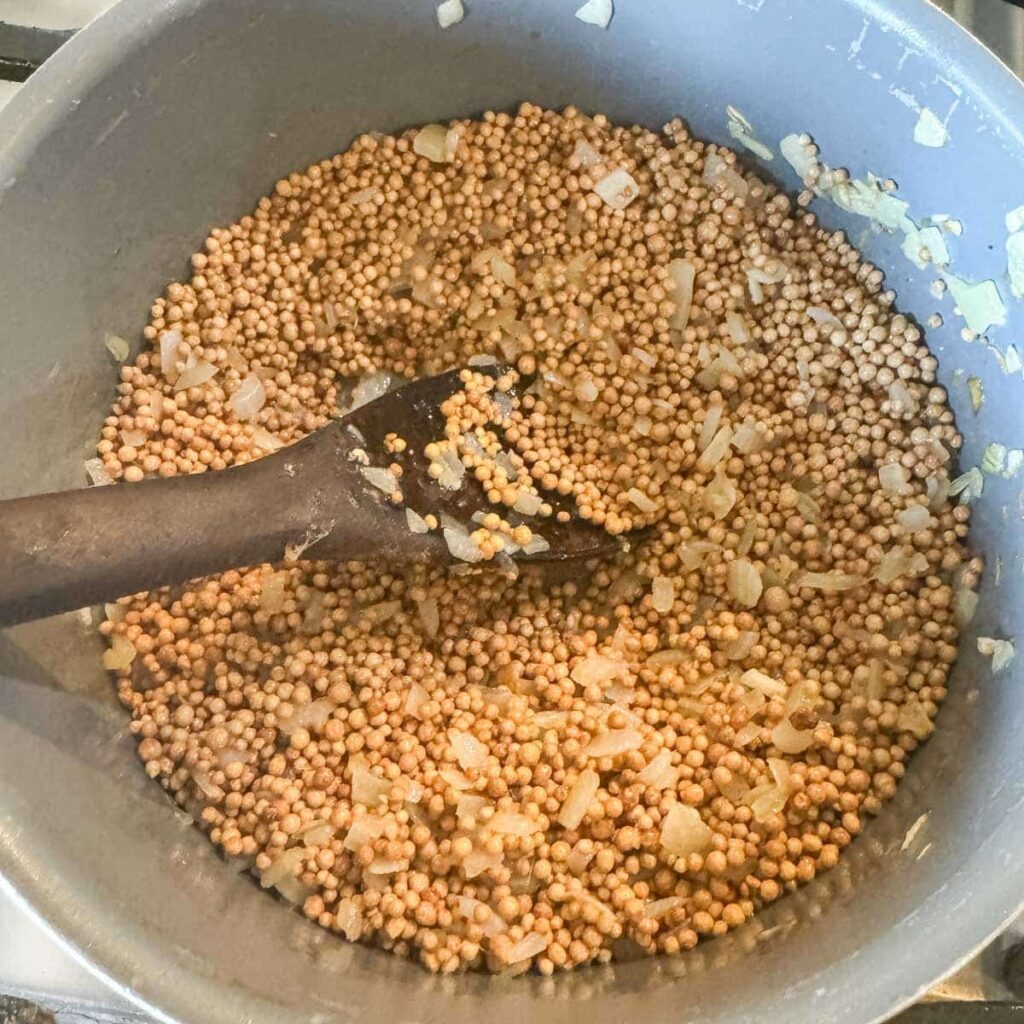
2Add the maftoul and stir gently to coat it with oil and spices.

3Pour in the hot chicken broth gradually until the maftoul is fully covered.

4Add chickpeas and vegetables, then cover and cook on low heat until the liquid is absorbed.

5Fluff gently with a fork once cooked and let it rest for a few minutes.

6Serve warm with the boiled chicken on top or on the side.

What Does Maftoul Taste Like?

Maftoul has a nutty, slightly chewy texture with deep savory flavors from the broth and spices. The chickpeas and vegetables add softness and balance, while the chicken or meat gives it richness and depth.

Why Is Maftoul So Popular?

Maftoul is a comforting home-style dish often served in large portions for family meals. It represents traditional Palestinian cooking, where simple ingredients are transformed into hearty, nourishing food meant for sharing and togetherness.

If a chop is too thin, by the time you’ve seared both sides, the thing is practically overcooked! Choosing a thick chop allows you to get a nice golden sear on both sides and a perfectly cooked tender center.

Video

Maqluba – The Upside-Down Delight

0

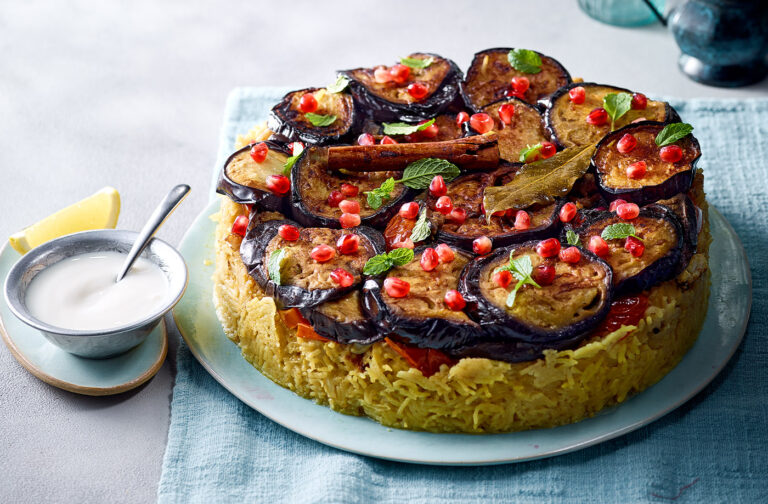
Maqluba is one of the most iconic dishes in Levantine cuisine. Its name means “upside down,” and that’s exactly how it’s served — flipped dramatically onto a plate, revealing beautiful layers of rice, vegetables, and meat.

What is Maqluba?

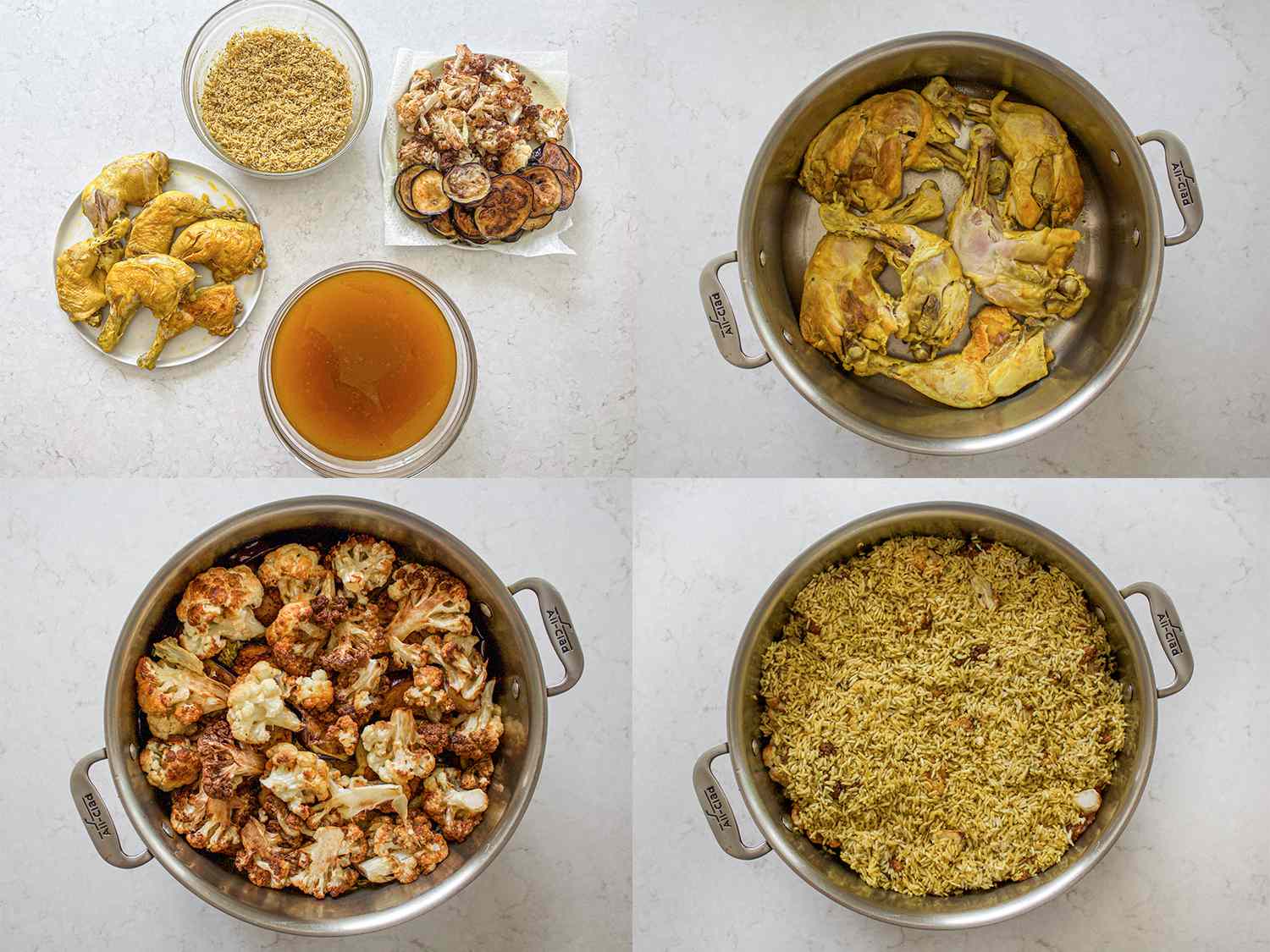
Maqluba is a traditional dish made with rice, fried vegetables (like eggplant, potatoes, or cauliflower), and chicken or meat. Everything is cooked together in one pot, then turned upside down before serving.

Why it’s special

Maqluba is not just food — it’s an experience. The moment of flipping the pot is always exciting, bringing everyone together to see the final result.

When it’s served

  • Family gatherings
  • Special occasions
  • Weekend meals

It is a dish that represents generosity and tradition.

How it’s enjoyed

Maqluba is usually served with:

  • Yogurt or cucumber yogurt salad
  • Fresh salad on the side

Maqluba is a perfect example of Levantine cooking — simple ingredients transformed into something rich, beautiful, and full of meaning.

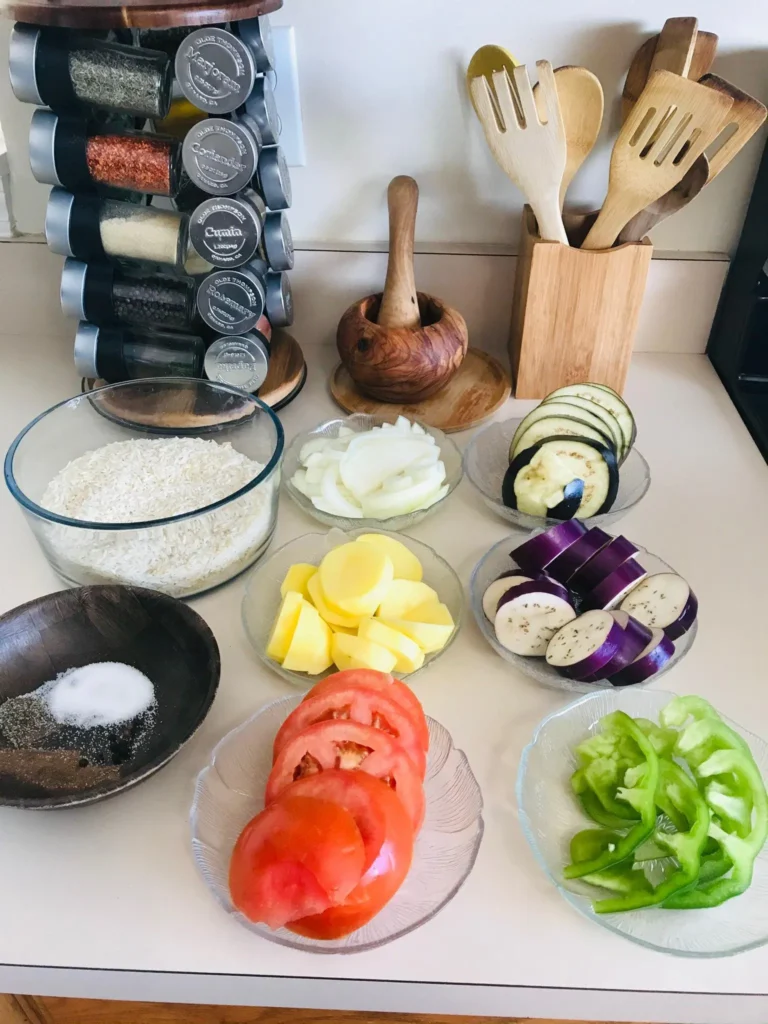
Ingredients

  • 2 cups rice
  • 500 g chicken or meat
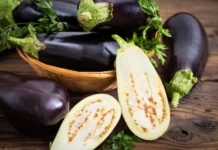
  • 1 large eggplant (sliced)
  • 2 potatoes (sliced)
  • 1 cauliflower (optional)
  • 1 onion (cut into slices)
  • 2–3 cups cooking broth
  • 3 tbsp vegetable oil (for frying)
  • Salt (to taste)

Spices:

  • 1 tsp black pepper
  • 1 tsp allspice or mixed spices
  • 1/2 tsp cinnamon
  • 1 bay leaf

Directions

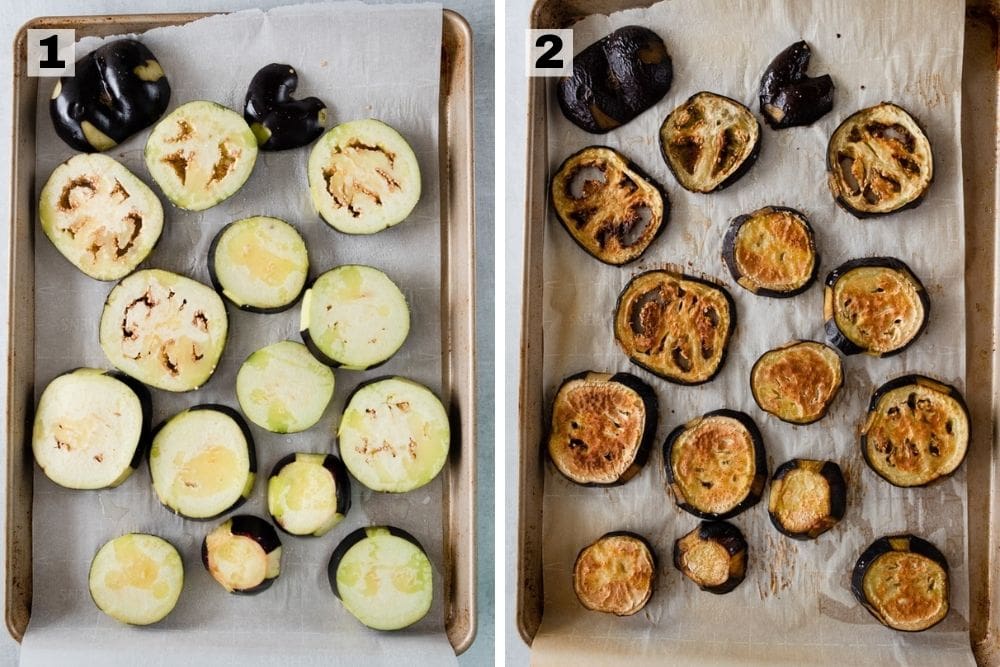
1Cut the vegetables into slices. Salt the eggplant and leave it for 20 minutes, then rinse and dry. Wash the rice and soak it for 20–30 minutes.

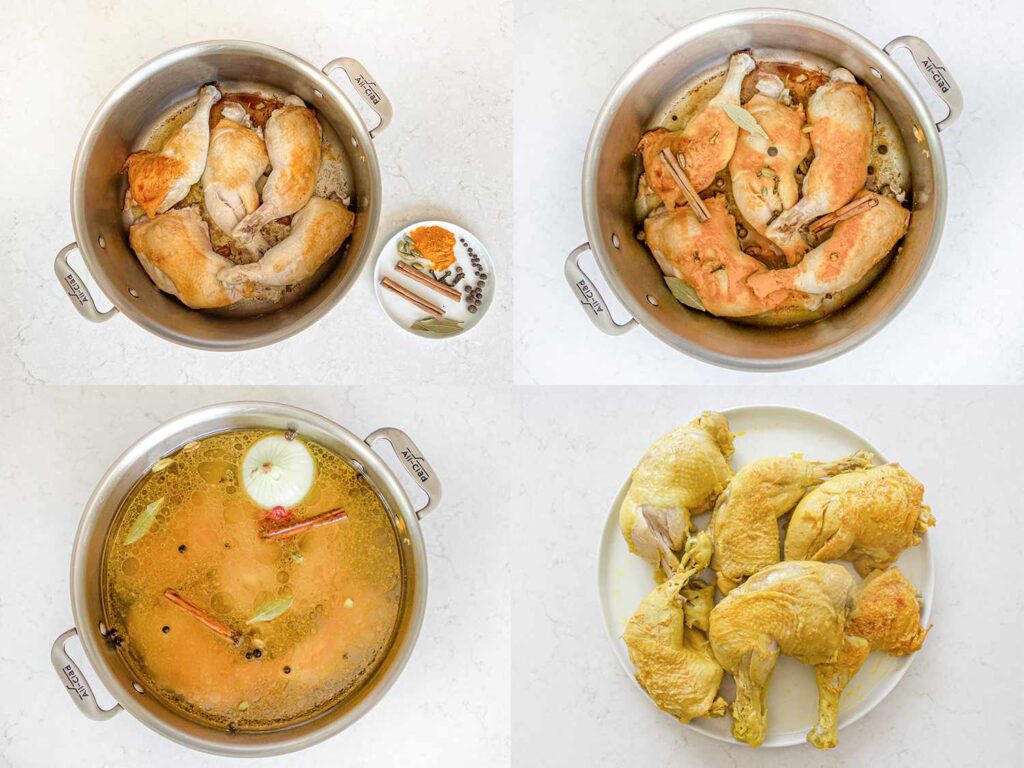
2Cook the meat or chicken
In a pot, cook the chicken or meat with water, salt, and spices until fully cooked. Remove the pieces and keep the broth.

3Fry the vegetables
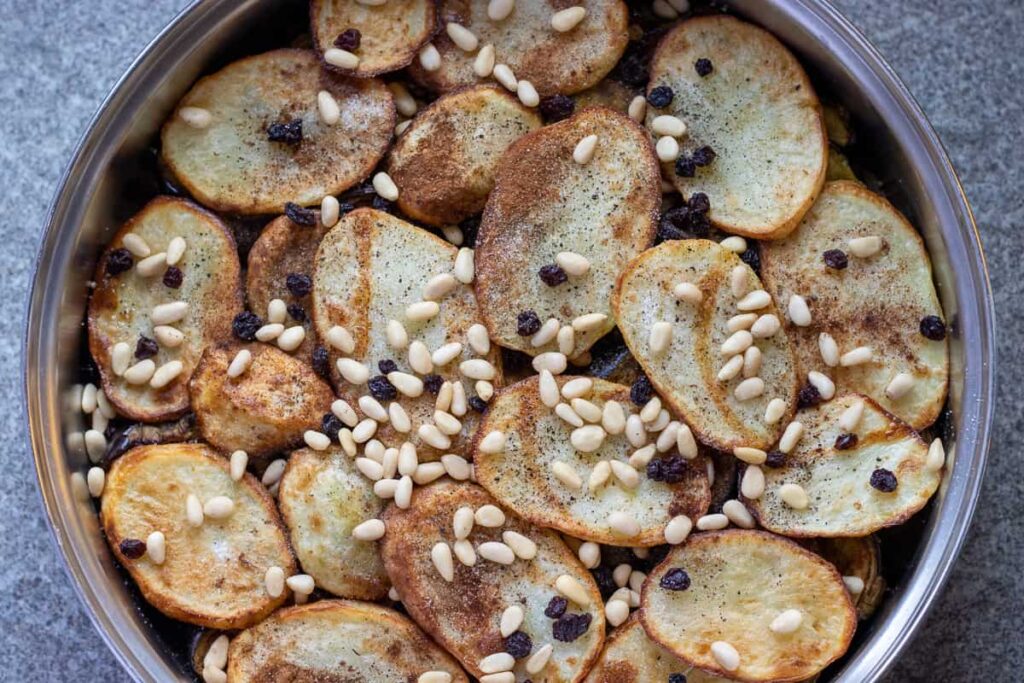
Fry the eggplant, potatoes, and cauliflower in oil until golden. Place them on paper towels to remove excess oil.


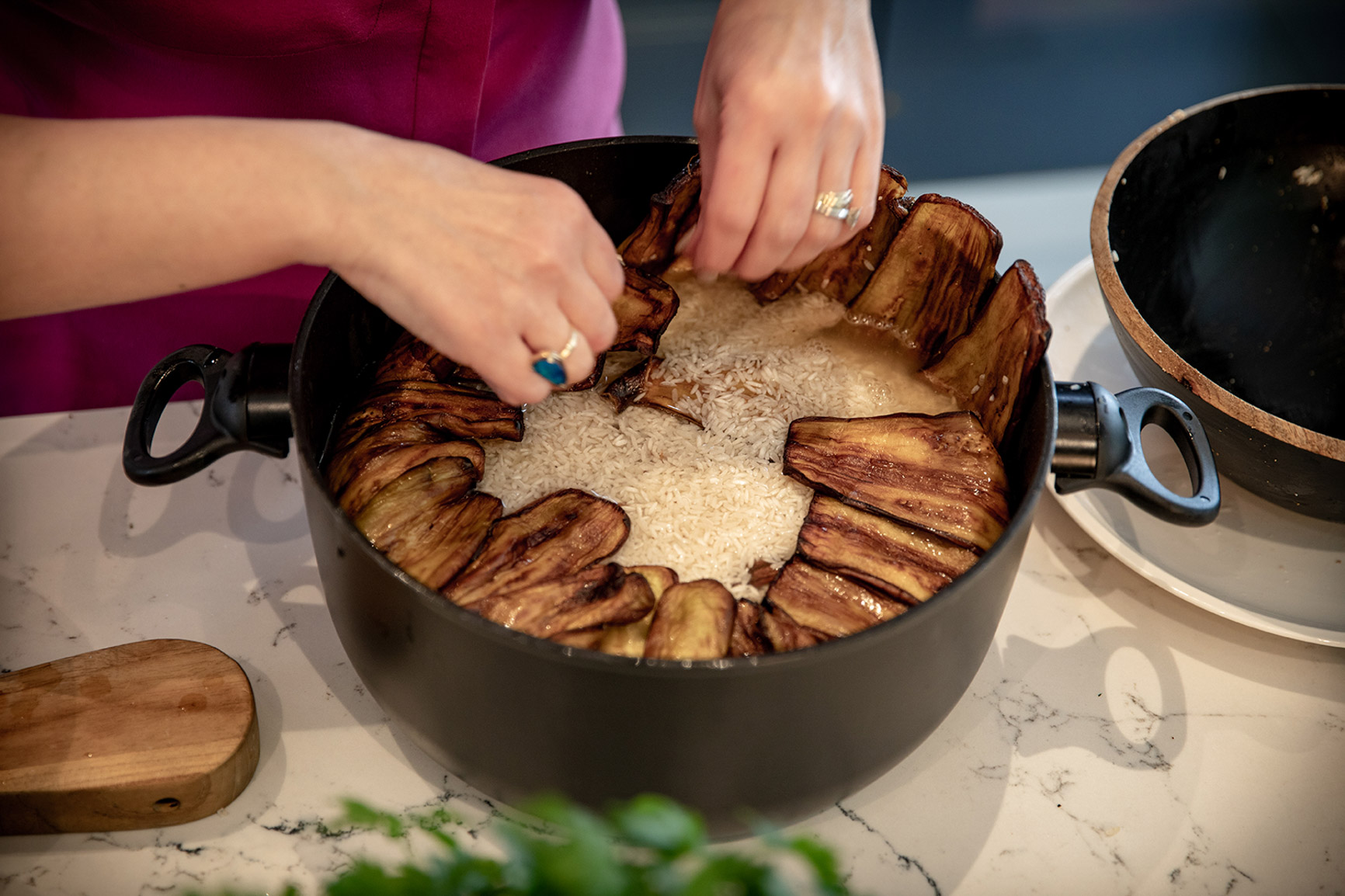
In a deep pot, place the chicken or meat at the bottom. Add a layer of fried vegetables, then add the soaked rice evenly on top.
Pour the broth over the rice until it just covers everything. Adjust salt if needed.

4Cook on medium heat until the liquid is absorbed. Then reduce heat to low, cover, and cook for 25–30 minutes.

Turn off the heat and let it rest for 10 minutes.

Flip and serve

Place a large plate over the pot and carefully flip it upside down. Lift the pot slowly. Serve hot with yogurt or salad.

Video

The Ritual of Coffee: A Taste of Levant Hospitality

0

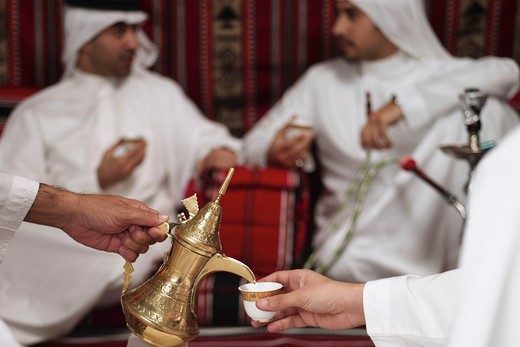
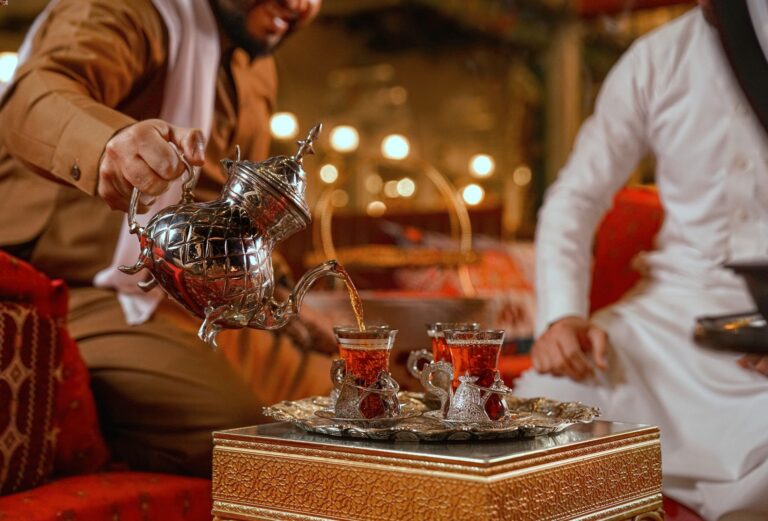
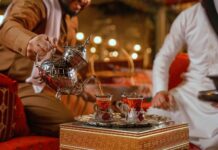
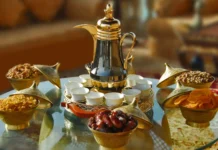
In Levantine culture, coffee is not merely a beverage; it is a cultural practice that plays a significant role in establishing and maintaining social relationships. Present in nearly every aspect of daily life, coffee is widely regarded as a fundamental symbol of hospitality and respect.

The act of serving coffee functions as a form of non-verbal communication between individuals. Offering a cup of coffee to a guest conveys a message of welcome, while also reflecting the host’s appreciation and respect. In this sense, coffee serves as a social tool that strengthens interpersonal connections.

Importantly, this cultural practice is not limited to moments of joy. In Levant societies, coffee also holds a central place in times of mourning. During condolence gatherings, serving coffee symbolizes solidarity, empathy, and collective support. This highlights that coffee is not simply a daily habit, but a meaningful social symbol embedded within the culture.

The ritual of serving coffee carries its own structure and significance. It is typically presented in small cups, served slowly, and follows a certain order. These elements reflect the depth of the tradition and create a space where individuals can come together, communicate, and share time.

In conclusion, coffee in Levantine culture functions as a powerful social element that reinforces relationships, promotes solidarity, and preserves cultural continuity. Present in both joy and sorrow, this tradition remains a strong representation of shared values within the society.

Ingredients

  • 2 cups water
  • 2–3 tablespoons finely ground Arabic coffee (light roast, cardamom mixed or plain)
  • 3–5 crushed cardamom pods (or 1 tsp cardamom powder)
  • Optional: a few saffron strands or cloves
  • No sugar (traditional) — sugar is usually served separately

Steps

  1. Boil the water
    Put water in a small pot (dallah if you have it) and bring it to a boil.
  2. Add coffee
    Lower the heat and add the Arabic coffee powder.
  3. Simmer gently
    Let it simmer on low heat for about 10–15 minutes. Don’t stir too much.
  4. Add cardamom
    Add crushed cardamom (and saffron or cloves if you like). Let it sit for 2–3 minutes.
  5. Rest and settle
    Turn off the heat and let the coffee grounds settle at the bottom for a few minutes.
  6. Serve
    Pour slowly into small cups without shaking the pot so the grounds stay down.

Tips

  • Arabic coffee is usually light in color, not dark like espresso.
  • Serve it with dates for the traditional experience.
  • In many Gulf traditions, you serve only a small amount (half cup or less).

Levantine Spice Culture – The Soul of the Kitchen

0

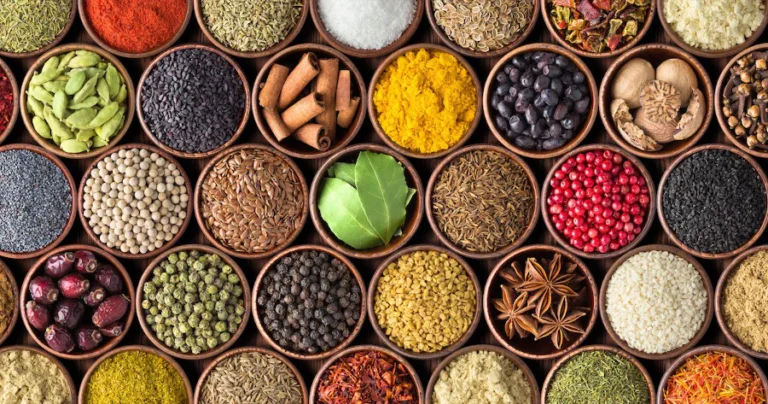
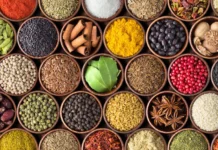
Spices are at the heart of Levantine cooking. They do more than add flavor. They also carry memory, identity, and tradition. In fact, every kitchen in the Levant keeps spices as a daily essential.
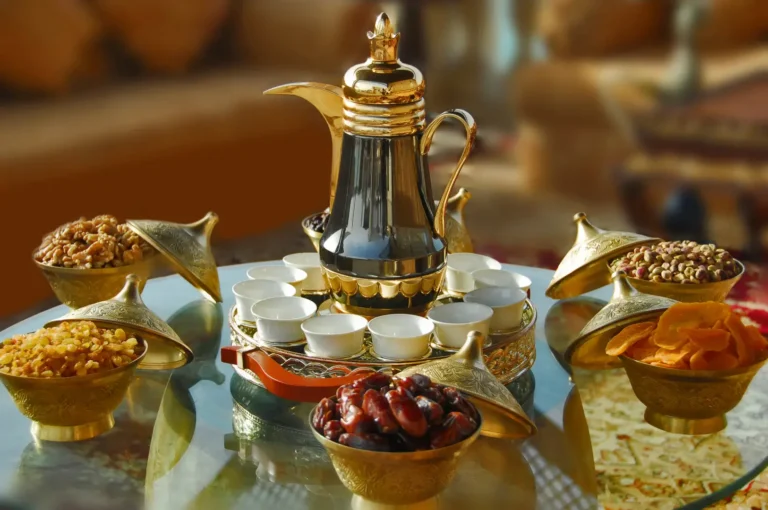
From Damascus to Beirut, Amman, and Jerusalem, people use spices every day. As a result, simple food becomes rich and full of aroma.

The Role of Spices in Daily Cooking

First of all, spices are not optional in Levantine cuisine. They are essential. Without them, many dishes feel incomplete.

In addition, spice blends help define the identity of each meal. For example, cumin is used in lentils, while sumac is used in salads and meats.

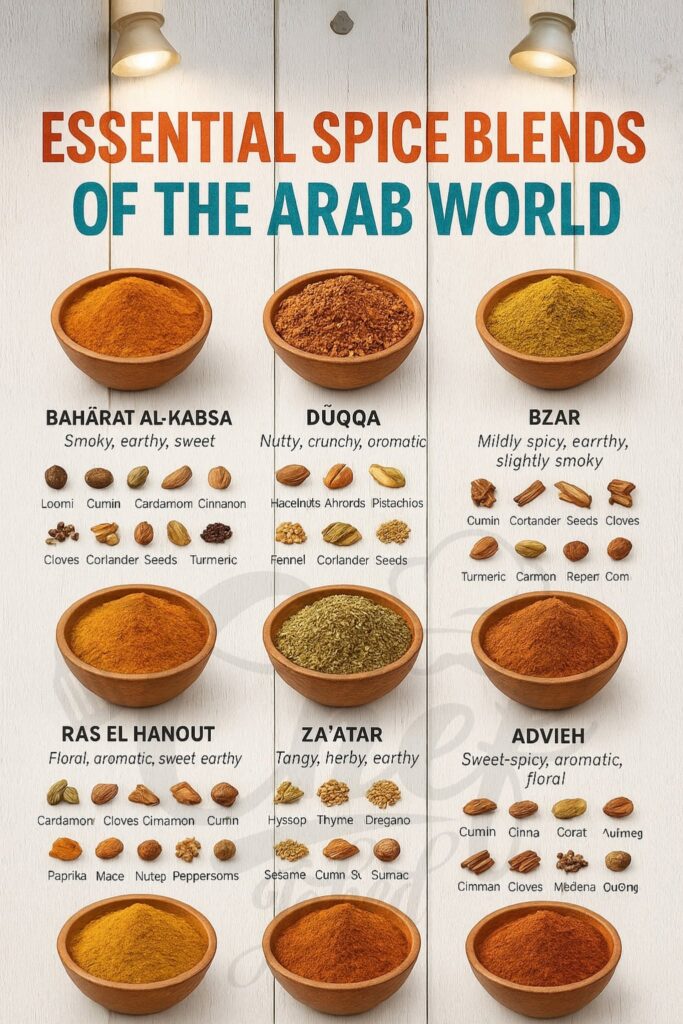
Essential Spice Blends

Moreover, Levantine kitchens depend on a few key spice mixes:

  • Za’atar – used with olive oil for breakfast
  • Baharat (Seven spices) – used in rice and meat dishes
  • Sumac – adds a sour and fresh taste
  • Cumin – gives warmth to beans and stews
  • Allspice – adds depth to cooked meals

Together, these spices create balance and richness in food.

How Spices Are Used Every Day

For instance, breakfast often includes za’atar with bread and olive oil. At lunch, spices like cumin and baharat are added to rice dishes.

Similarly, dinner meals use spices for stews, grilled meat, and vegetables. Because of this, flavor stays important in every meal of the day.

Tradition Passed Through Generations

In many families, spice knowledge is not written down. Instead, it is learned from parents and grandparents.

As a result, cooking becomes personal. People learn by taste, smell, and experience.

More Than Flavor

Finally, spices are more than ingredients. They are memories. The smell of cinnamon or cumin can remind people of home.

Therefore, spice culture in the Levant is not only about food. It is about identity, family, and tradition.ugh everyday meals

Levantine Herbal Tea Culture

0

Herbal teas hold a special place in Levantine daily life. They are not only warm drinks, but also part of tradition, home remedies, and social habits. People drink them for comfort, digestion, relaxation, and hospitality.

In cities like Damascus, Beirut, Amman, and Jerusalem, herbal teas are used every day in homes. As a result, dried herbs are always present in the kitchen.

The Role of Herbal Tea in Daily Life

First of all, herbal tea is part of everyday routine. People drink it in the morning, after meals, and before sleep.

In addition, it is often served when someone feels tired, sick, or cold. Because of this, herbal tea is seen as both food and comfort.

Moreover, it is deeply connected to hospitality. Guests are always offered tea, even for short visits.

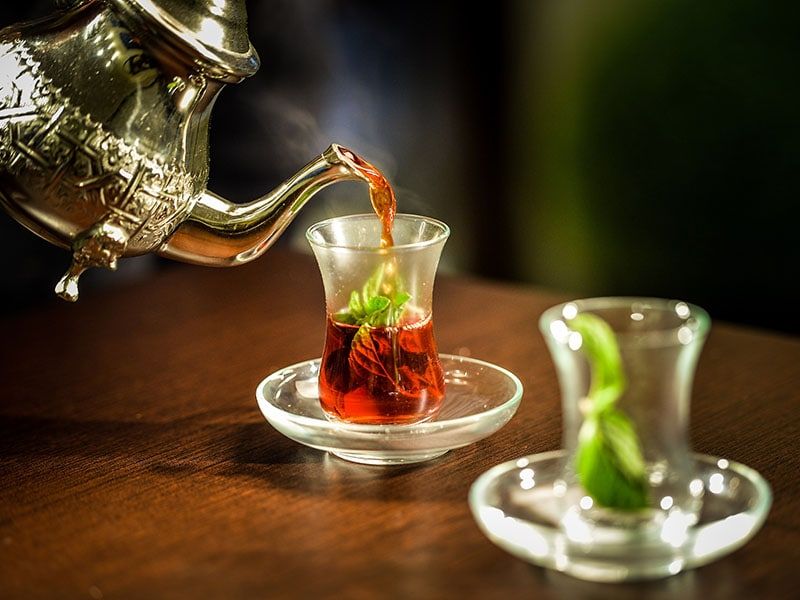
Mint Tea (Na’na’ – Tea with Fresh Mint)

Mint tea is one of the most loved drinks in the Levant. It is made with fresh mint leaves, usually boiled in water or mixed with black tea.

Mint tea has a fresh and cooling taste. Therefore, it is popular in all seasons. People drink it both hot and warm depending on preference.

In addition, it is often served after heavy meals. Many people believe it supports digestion and reduces heaviness in the stomach.

It is usually sweetened with sugar, especially in cafés. However, in some homes, it is served unsweetened for a lighter taste.

Finally, mint tea is also a social drink. It is shared during conversations and family gatherings.

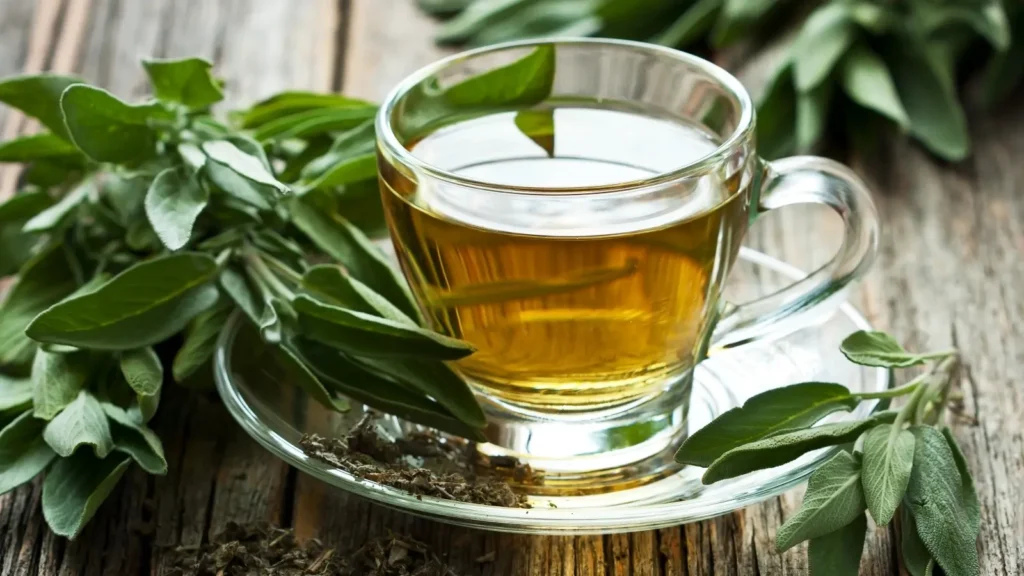
Maramiyeh Tea (Sage Tea)

Maramiyeh tea is made from dried sage leaves. It has a strong herbal smell and a slightly bitter taste.

First of all, it is known as a calming drink. Many people drink it in the evening to relax after a long day.

In addition, it is often used during seasonal changes. Families prepare it especially in cold weather.

Moreover, it is commonly served in small cups and sometimes sweetened with honey or sugar. Some prefer it plain to keep its natural strength.

Because of its strong flavor, it is usually sipped slowly rather than drunk quickly.

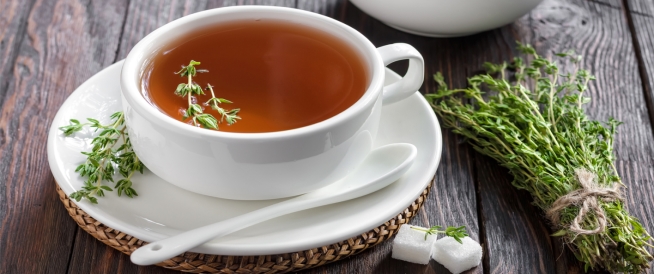
Zaatar Barri Tea (Wild Thyme Tea)

Zaatar barri means wild thyme, and it is different from the za’atar spice used in food. It grows naturally in mountain areas and is collected, dried, and used for tea.

Wild thyme tea has a strong, aromatic, and slightly bitter flavor. It is warming and earthy.

In traditional culture, it is often associated with winter. People drink it during cold weather or when they feel unwell.

In addition, it is commonly prepared simply with hot water. Sometimes honey is added to soften the taste.

It is also part of older herbal traditions where plants are used for comfort and seasonal wellness.

Tea with Milk (Levantine Style)

Tea with milk is a warm and comforting variation of traditional tea enjoyed in some Levantine homes. It is made by combining black tea or herbal infusions with hot milk, creating a softer and creamier drink.

First of all, it is known as a relaxing drink. Many people enjoy it in the evening or before sleep because it feels warm and calming.

In addition, it is often prepared during cold weather. Families drink it to feel comfort and warmth, especially in winter nights.

Moreover, it can be made in different ways. Some people mix black tea with milk, while others prefer adding herbs like chamomile or sage for a lighter herbal version. Sometimes it is sweetened with sugar or honey.

Because of its smooth texture and mild taste, it is usually enjoyed slowly, as a comfort drink rather than a strong tea.

Herbal Tea and Levantine Lifestyle

Finally, herbal tea is more than a drink. It is part of daily life structure.

For example, mornings often begin with tea. Afternoons include tea breaks. Evenings end with herbal infusions before sleep.

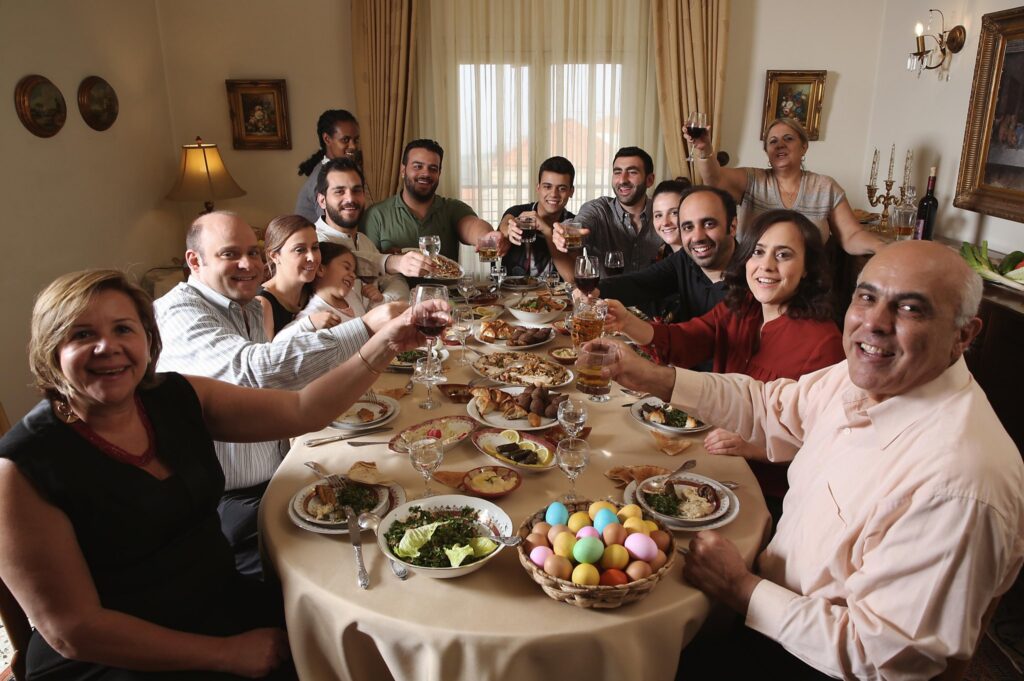
Similarly, tea is always present in social life. It is shared during visits, conversations, and family gatherings.

Therefore, mint, maramiyeh, and wild thyme teas represent more than herbs. They represent comfort, nature, and connection in Levantine culture.

The Art of Sharing: A Day in Levant Lifestyle

0

In the Levant, life moves around one central idea: sharing. Whether it is food, stories, or time, everything is meant to be enjoyed together. The day often begins with a simple yet rich breakfast — fresh bread, olive oil, olives, labneh, and herbs. It is not just a meal, but a calm and meaningful start to the day.

As the day continues, the streets come alive with the smell of freshly baked bread and spices. Local markets are filled with colorful vegetables, fruits, and the sound of people greeting each other warmly. Food here is always fresh, seasonal, and full of flavor.

Lunch is usually the heart of the day. Families gather around the table, sharing dishes like rice, vegetables, and slow-cooked meals. But more important than the food itself is the time spent together. Conversations flow, laughter fills the room, and everyone feels at home.

In the evening, the pace slows down again. Friends and family come together for tea or coffee, often accompanied by something sweet. These moments are simple, but they carry deep meaning — connection, comfort, and tradition.

Levant lifestyle is not about luxury or complexity. It is about appreciating the small things: a warm meal, a shared table, and the presence of loved ones. It is a reminder that the best moments in life are often the simplest ones.

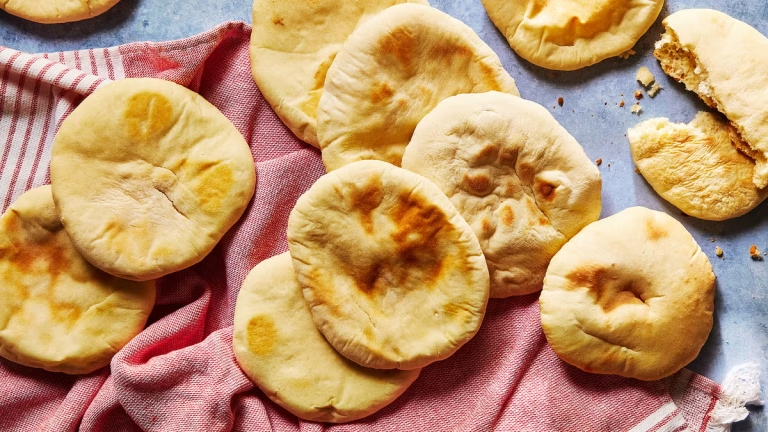
Homemade Arabic Bread (Pita Bread) – Traditional Levantine Baking Tutorial

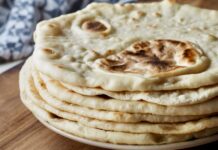
Arabic bread, also known as pita bread, is one of the most essential foods in Levantine cuisine. It is soft, light, and naturally forms a pocket when baked. Because of its simplicity, it has been baked in homes and bakeries for generations.

In this cooking video, you will learn how to make homemade Arabic bread from scratch. You will also learn how to get the perfect puff, soft texture, and authentic taste.

What You’ll Learn

  • How to prepare Arabic bread dough
  • How to activate yeast correctly
  • How to achieve the perfect puff in the oven
  • Tips for soft and fluffy bread
  • Traditional baking methods at home

Why Is Arabic Bread So Important?

First, Arabic bread is a daily staple in many Levantine homes.

In addition, it is used with almost every meal, from breakfast to dinner.

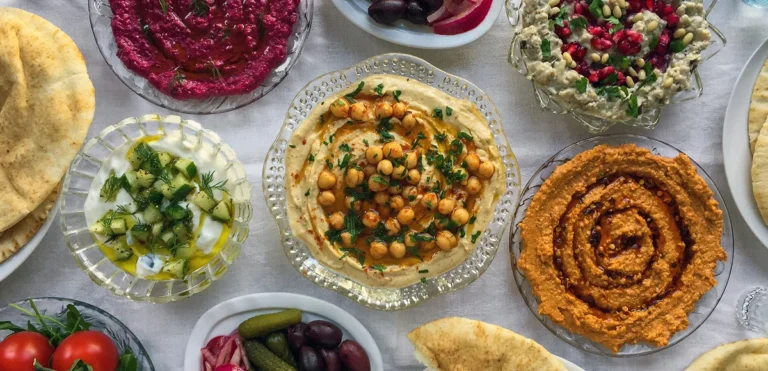
Moreover, it is perfect for dipping, wrapping, and serving with mezze dishes.

As a result, it is considered one of the most important breads in the region.

Traditional Ingredients

  • All-purpose flour
  • Warm water
  • Yeast
  • Sugar
  • Salt
  • Olive oil (optional)

How It Is Made

First, mix flour, yeast, salt, and sugar in a bowl.

Next, add warm water and knead until a soft dough forms.

After that, let the dough rest until it doubles in size.

Then divide it into small balls and roll them flat.

Next, bake in a very hot oven until the bread puffs up.

Finally, remove and cover with a cloth to keep it soft.

How to Serve Arabic Bread

Arabic bread is served with almost every Levantine dish.

For example, it is used with labneh, hummus, and grilled meats.

In addition, it is perfect for wraps and sandwiches.

Because of its soft texture and pocket shape, it remains a kitchen essential.

Watch and Learn

Finally, follow our video tutorial and learn how to bake soft and fluffy Arabic bread at home. With a few simple ingredients, you can enjoy fresh bread straight from your oven.

Video