





Ana Sayfa Blog Sayfa 5

Homemade Labneh from Scratch – Traditional Levantine Yogurt Cheese Tutorial

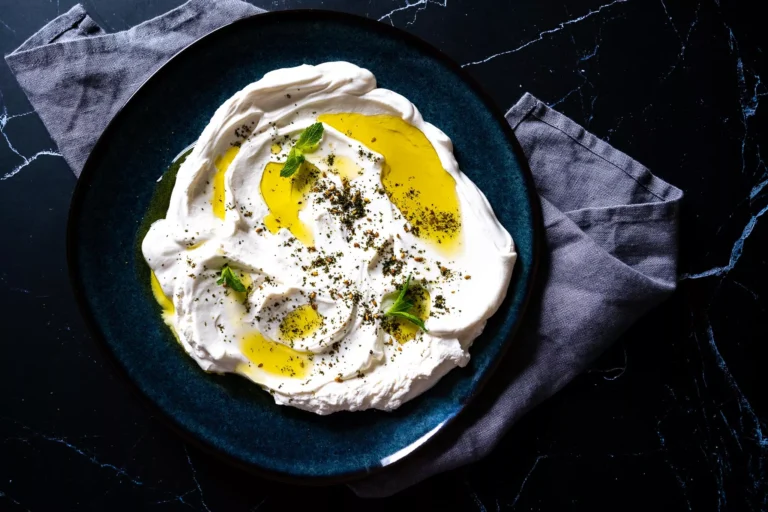
Labneh is one of the most important foods in Levantine cuisine. It is made by straining yogurt until it becomes thick, creamy, and spreadable. Because of its simple process, it has been prepared in homes for generations.

In this cooking video, you will learn how to make homemade labneh from scratch. You will also learn how to achieve the perfect texture and how to serve it in traditional Levantine style.

What You’ll Learn

  • How to make labneh from plain yogurt
  • How to strain yogurt correctly
  • How to achieve a thick and creamy texture
  • Traditional serving ideas
  • Storage tips for homemade labneh

Why Is Labneh So Popular?

First, labneh is very easy to prepare at home.

In addition, it requires only one basic ingredient: yogurt.

Moreover, it is both healthy and versatile. It can be used for breakfast, mezze, or snacks.

As a result, it has become a daily essential in many Levantine homes.

Traditional Ingredients

  • Plain full-fat yogurt
  • Salt (optional)
  • Olive oil (for serving)
  • Za’atar (optional topping)
  • Fresh bread (for serving)

How It Is Made

First, place the yogurt in a clean cloth or strainer.

Next, let it drain slowly in the refrigerator.

After that, leave it for several hours or overnight.

Then check the texture until it becomes thick and creamy.

Finally, transfer it to a bowl and prepare it for serving.

How to Serve Labneh

Labneh is usually served as part of a traditional breakfast or mezze table.

For example, it is topped with olive oil and za’atar.

In addition, it is eaten with fresh bread, cucumbers, and olives.

Because of its creamy taste, it pairs well with almost every Levantine dish.

Watch and Learn

Finally, follow our video tutorial to learn how to make authentic homemade labneh. With a little patience, you can create a traditional dairy staple that is loved across the Levant.

Video

Homemade Shaneeneh (Shanina) – Traditional Levantine Yogurt Drink Video Tutorial

Homemade Shaneeneh (Shanina) – Traditional Levantine Yogurt Drink Video Tutorial

Shaneeneh, also known as Shanina, is one of the most refreshing drinks in Levantine cuisine. It is made with yogurt, water, and a small amount of salt. Because of its simple ingredients, it has been enjoyed for generations across the Levant.
In this cooking video, you will learn how to make authentic homemade Shaneeneh step by step. Whether you serve it with mansaf, maqluba, or grilled dishes, this traditional drink adds freshness to every meal.

What You’ll Learn

  • How to make traditional Shaneeneh at home
  • The ideal yogurt-to-water ratio
  • Tips for a smooth and creamy texture
  • Traditional serving ideas
  • Optional additions such as fresh mint

Why Is Shaneeneh So Popular?

First, Shaneeneh is quick and easy to prepare.

In addition, it is incredibly refreshing, especially during warm weather.

Moreover, it pairs perfectly with rich meals. The cool yogurt drink balances grilled meats, rice dishes, and traditional Levantine recipes.

As a result, it has become a staple on family tables throughout the region.

Traditional Ingredients

  • Plain yogurt
  • Cold water
  • Salt
  • Fresh mint (optional)
  • Ice cubes (optional)

A Drink for Every Season

Although Shaneeneh is especially popular in summer, it is enjoyed all year round.

For example, many families serve it during gatherings and holiday meals.

Furthermore, it is a common companion to traditional dishes such as mansaf and maqluba.

Because of its light texture and refreshing taste, it remains one of the most beloved homemade drinks in Levantine cuisine.

Watch and Learn

Finally, follow our video tutorial and learn how to prepare homemade Shaneeneh with confidence. With only a few ingredients, you can enjoy a traditional drink that has been part of Levantine culture for generations.

Video

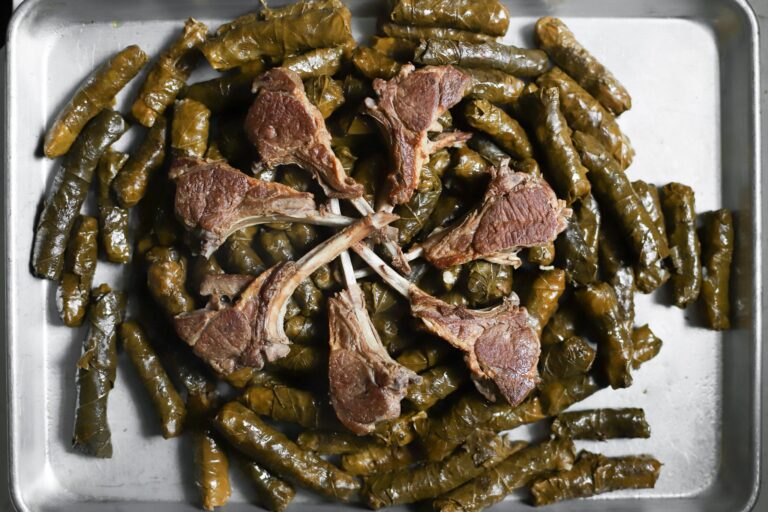
Traditional Warak Enab Rolling Tutorial – Learn the Art of Stuffed Grape Leaves

Warak Enab is one of the most famous dishes in Levantine cuisine. It is loved for its delicate flavor and beautiful appearance. Although the ingredients are simple, the rolling technique requires patience and practice.

In this cooking video, you will learn how to roll Warak Enab step by step. Whether you are a beginner or an experienced cook, these traditional techniques can help you achieve better results.

What You’ll Learn

  • How to prepare grape leaves for rolling
  • How to make a traditional rice filling
  • Easy step-by-step rolling techniques
  • How to keep rolls tight during cooking
  • Tips for arranging rolls in the pot
  • Traditional cooking methods and serving ideas

Why Is Rolling Important?

First, properly rolled grape leaves cook evenly. They also keep their shape during cooking.

In addition, tight rolls help prevent the filling from escaping. This creates a better texture and appearance.

Moreover, evenly sized rolls look more attractive on the serving plate. As a result, they are perfect for family gatherings and special occasions.

Therefore, learning the correct rolling method is an important part of making authentic Warak Enab.

A Family Tradition

In many Levantine homes, preparing Warak Enab is a shared activity. Family members often gather around the table to help with the rolling process.

Meanwhile, stories, recipes, and traditions are passed from one generation to the next. Because of this, Warak Enab is more than just a meal.

It is a symbol of family, hospitality, and togetherness.

Watch and Practice

Finally, follow our video tutorial and practice each step at your own pace. With time and patience, you can create beautiful homemade Warak Enab just like those served in traditional Levantine homes.

Video

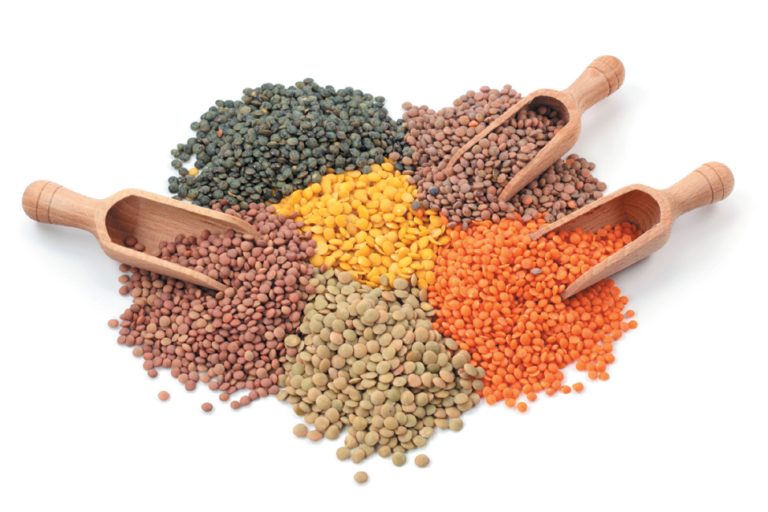
3 Easy & Traditional Levantine Lentil Recipes (Healthy, Cheap & Full of Comfort)

Lentils are one of the most important ingredients in Levantine cuisine. They are simple, affordable, and highly nutritious. Because of this, they are used in many traditional home-cooked meals across the region.

In cities like Damascus, Beirut, Amman, and Jerusalem, lentils are a daily staple. As a result, they appear in soups, salads, and main dishes.

Why Lentils Are So Important in Levantine Cooking

First of all, lentils are rich in protein and fiber. This makes them a healthy and filling food.

In addition, they are very easy to cook. They do not require complicated preparation.

Moreover, lentils work well with spices like cumin, garlic, and turmeric. Because of this, they are full of flavor even with simple ingredients.

Finally, lentil dishes are often vegetarian, which makes them suitable for many diets.

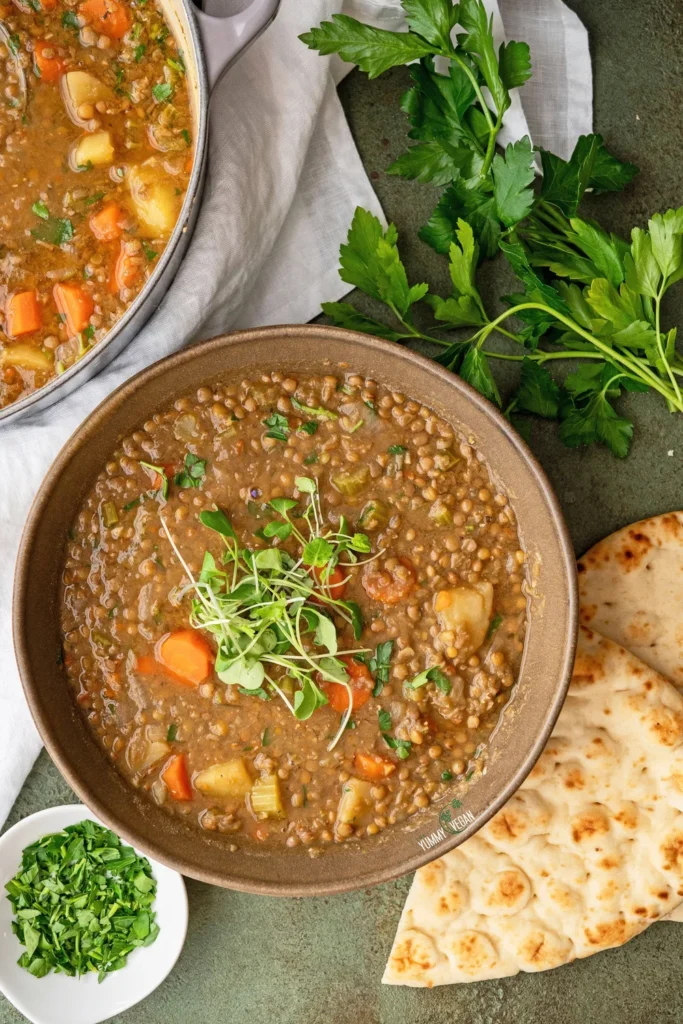
1. Shorbat Adas – Classic Lentil Soup

Shorbat Adas is one of the most famous Levantine soups.

First, lentils are cooked with onions, carrots, and spices. Then the mixture is simmered until soft.

After that, it is blended into a smooth, creamy soup.

Finally, it is served hot with lemon juice and bread. As a result, it becomes a comforting winter meal.

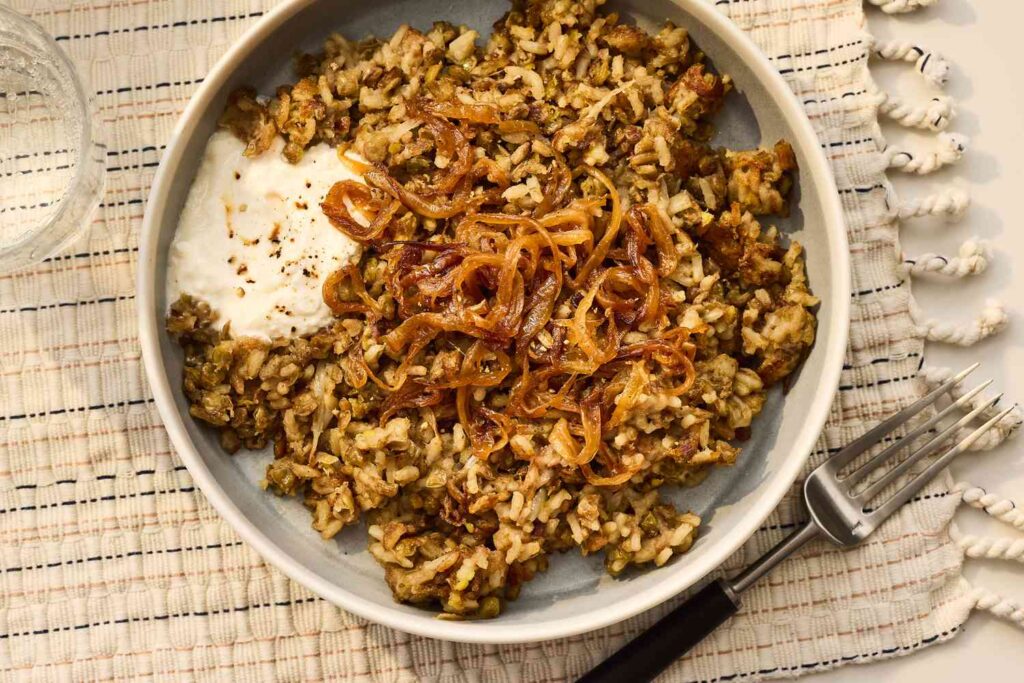
2. Mujaddara – Lentils with Rice and Onions

Mujaddara is a traditional Levantine comfort dish made with lentils, rice, and caramelized onions.

First of all, lentils are cooked until soft. Then rice is added and cooked together.

In addition, onions are fried until golden and crispy.

Because of this combination, the dish becomes rich, earthy, and very satisfying.

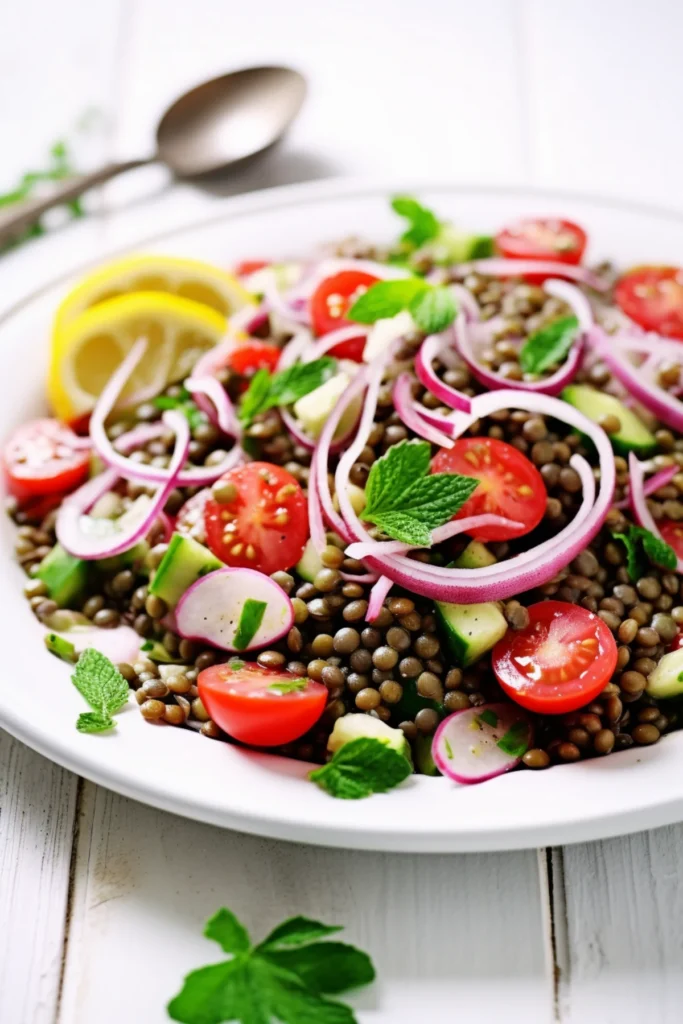
3. Lentil Salad (Salatat Adas)

Lentil salad is a fresh and light dish.

First, cooked lentils are cooled and mixed with chopped vegetables like tomatoes, onions, and parsley.

Then olive oil, lemon juice, salt, and cumin are added.

Moreover, it is often served as a side dish or light lunch.

Conclusion

Finally, lentils are a key part of Levantine cooking. They are healthy, simple, and very versatile.

Therefore, they remain one of the most important ingredients in traditional and modern kitchens.

Video

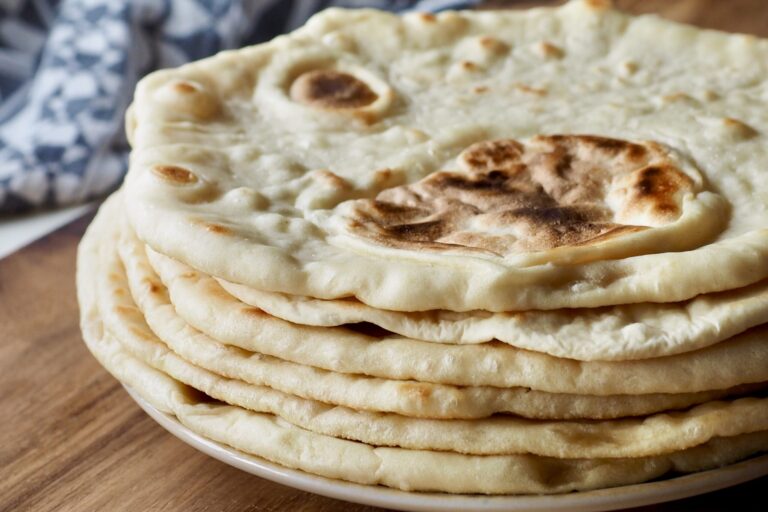
3 Easy & Traditional Levantine Bread-Based Recipes (Simple, Filling & Everyday Comfort Food)

Bread is the foundation of Levantine cuisine. It is not only a side item, but also part of many main dishes, breakfasts, and snacks. Because of this, it plays a central role in daily meals across the region.

In cities like Damascus, Beirut, Amman, and Jerusalem, bread is always present on the table. As a result, many traditional recipes are built around it.

Why Bread Is So Important in Levantine Cooking

First of all, bread is a daily essential food. It is served with almost every meal.

In addition, it is used in creative ways. It can be toasted, soaked, layered, or filled.

Moreover, bread helps bring together dips, meats, and vegetables in one bite. Because of this, it is a key part of Levantine dining culture.

Finally, it is affordable and widely available in all households.

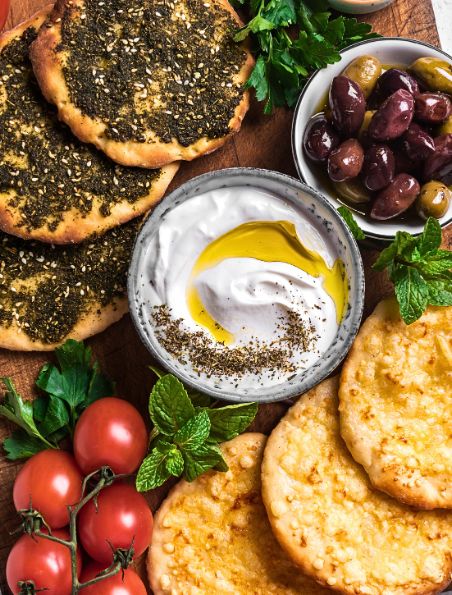
1. Manakeesh Za’atar – Levantine Herb Flatbread

Manakeesh za’atar is one of the most popular bread-based breakfast foods.

First, dough is prepared and shaped into flat circles. Then za’atar mixed with olive oil is spread on top.

After that, it is baked until slightly crispy and aromatic.

Finally, it is served warm, often with tea or vegetables.

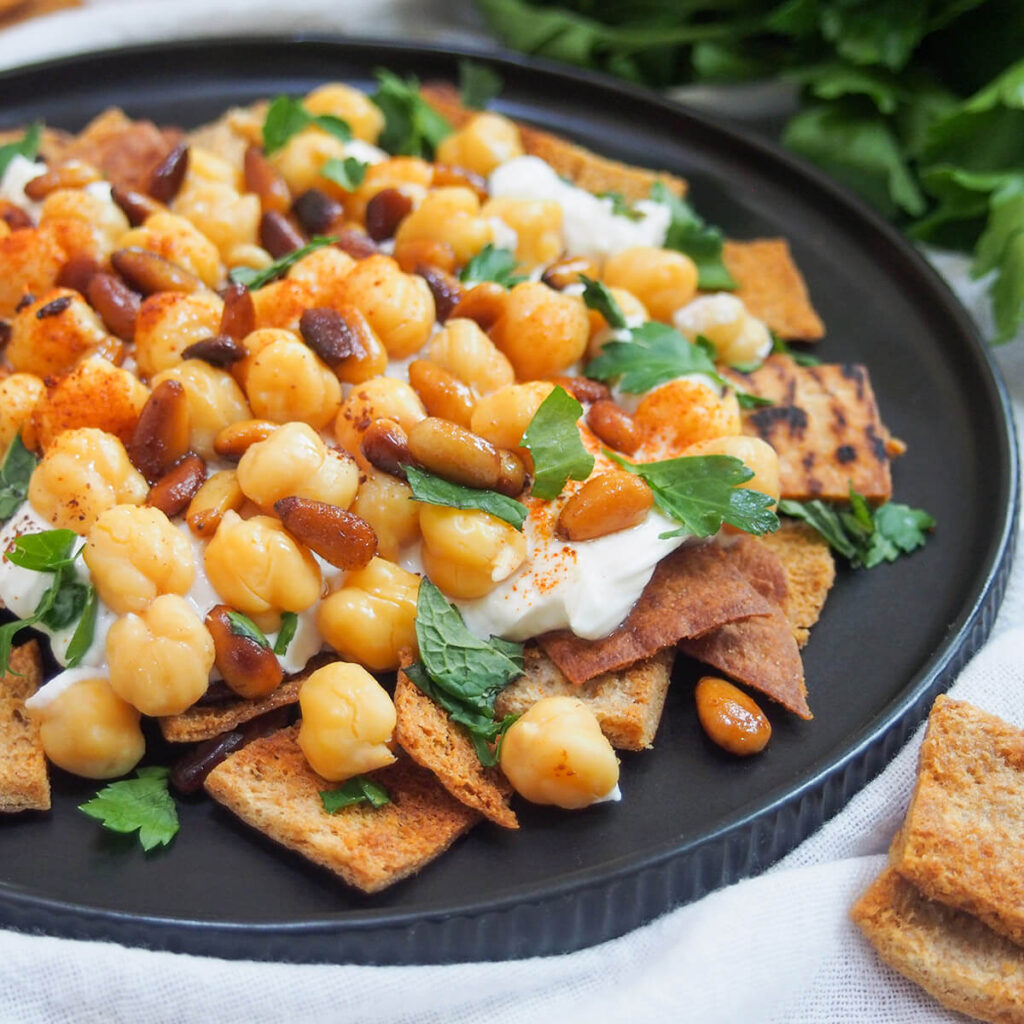
2. Fatteh – Layered Bread with Yogurt and Chickpeas

Fatteh is a traditional dish made by layering bread, yogurt, and chickpeas.

First of all, toasted bread pieces are placed at the bottom of the dish. Then warm chickpeas are added on top.

In addition, garlic yogurt sauce and tahini are poured over the layers.

Because of its texture, it combines crunchy, creamy, and soft elements in one dish.

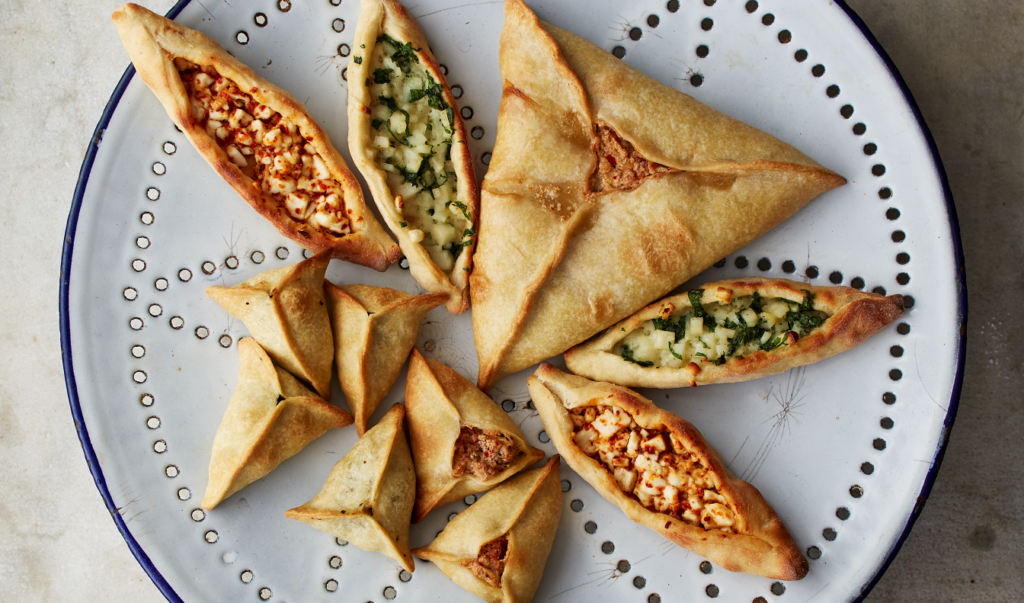
3. Fatayer – Stuffed Savory Pastries

Fatayer are small baked pastries filled with cheese, spinach, or meat.

First, dough is prepared and cut into small circles. Then fillings are added in the center.

After that, they are folded into different shapes and baked until golden.

Moreover, they are often served as snacks or part of a breakfast table.

Conclusion

Finally, bread is more than just food in Levantine culture. It is a base for creativity, tradition, and daily meals.

Therefore, bread-based recipes remain some of the most important dishes in the region.

3 Easy & Traditional Levantine Tomato Recipes (Fresh, Saucy & Full of Flavor)

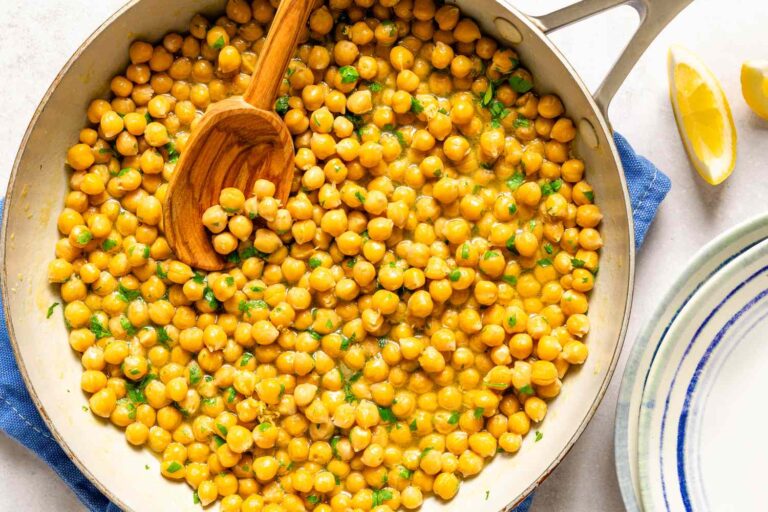
Chickpeas (Hummus beans) are one of the most important ingredients in Levantine cuisine. They are affordable, nutritious, and very versatile. Because of this, they are used in many traditional dishes across the region.

In cities like Damascus, Beirut, Amman, and Jerusalem, chickpeas are part of daily cooking. As a result, they appear in breakfasts, mezze, and main meals.

Why Chickpeas Are So Important in Levantine Cuisine

First of all, chickpeas are rich in protein and fiber. This makes them a healthy and filling ingredient.

In addition, they are very flexible. They can be eaten whole, mashed, or blended into dips.

Moreover, chickpeas work in both hot and cold dishes. Because of this, they are used all year round.

Finally, they are easy to store and cook, which makes them a kitchen essential.

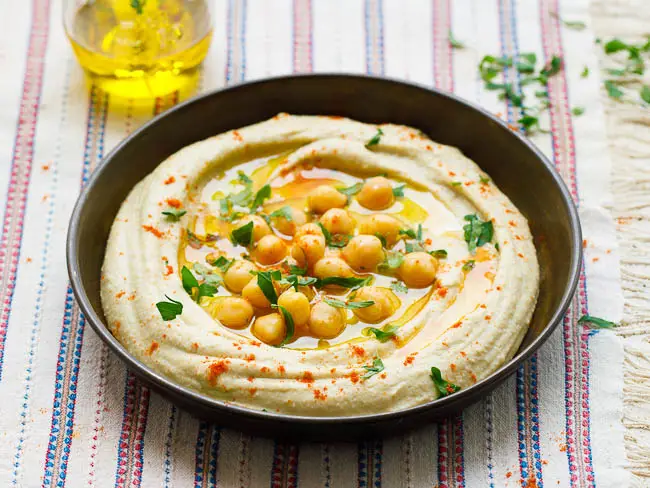
1. Hummus – Classic Chickpea Dip

Hummus is one of the most famous Levantine dishes in the world. It is a creamy dip made from blended chickpeas.

First, cooked chickpeas are blended with tahini, lemon juice, garlic, and olive oil. Then water is added until it becomes smooth.

After that, it is served in a bowl and topped with olive oil, paprika, or parsley.

Finally, it is eaten with fresh bread. As a result, it becomes a staple breakfast and mezze dish.

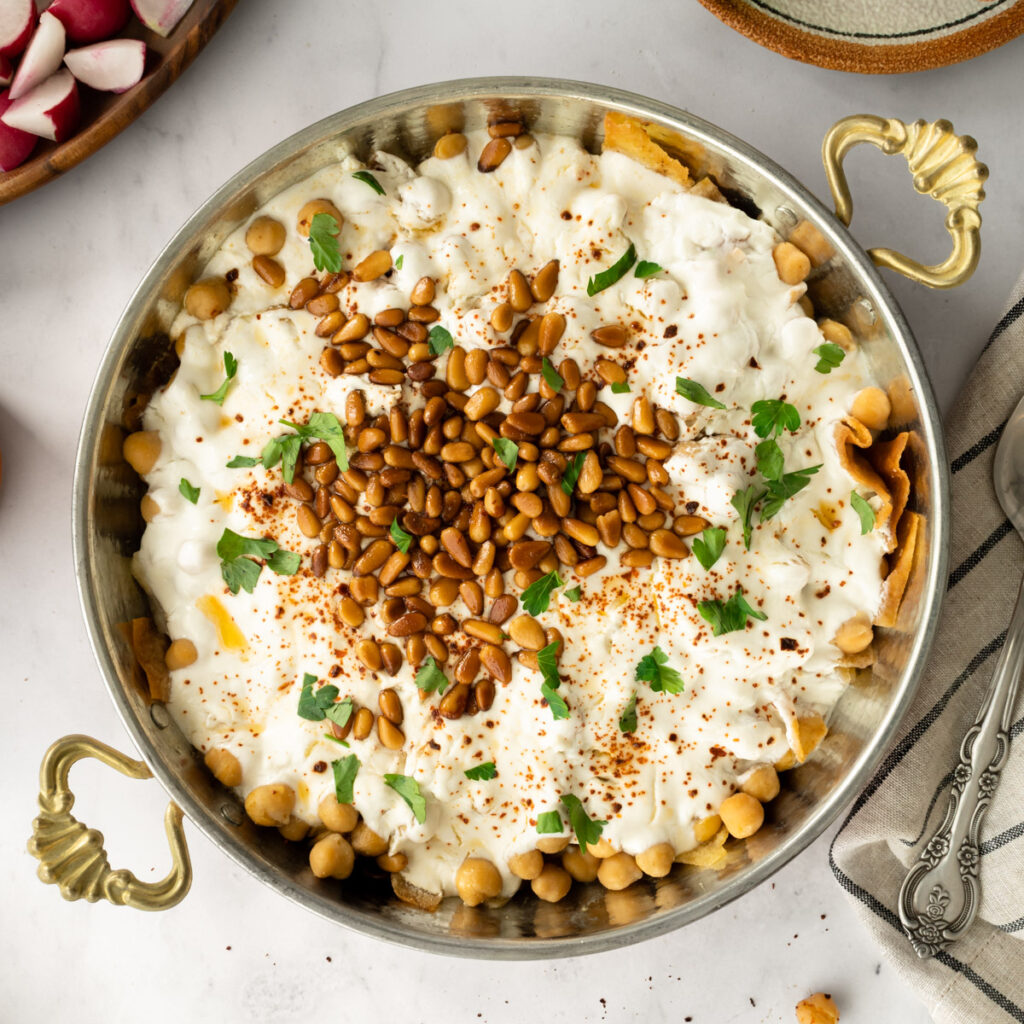
2. Fattet Hummus – Layered Chickpea Dish

Fattet hummus is a warm and comforting Levantine dish made with chickpeas, yogurt, and crispy bread.

First of all, chickpeas are warmed and placed over toasted pita bread pieces. Then a garlic yogurt sauce is poured on top.

In addition, tahini sauce and olive oil are added for extra richness.

Because of its layered texture, it combines soft, creamy, and crunchy elements in one dish.

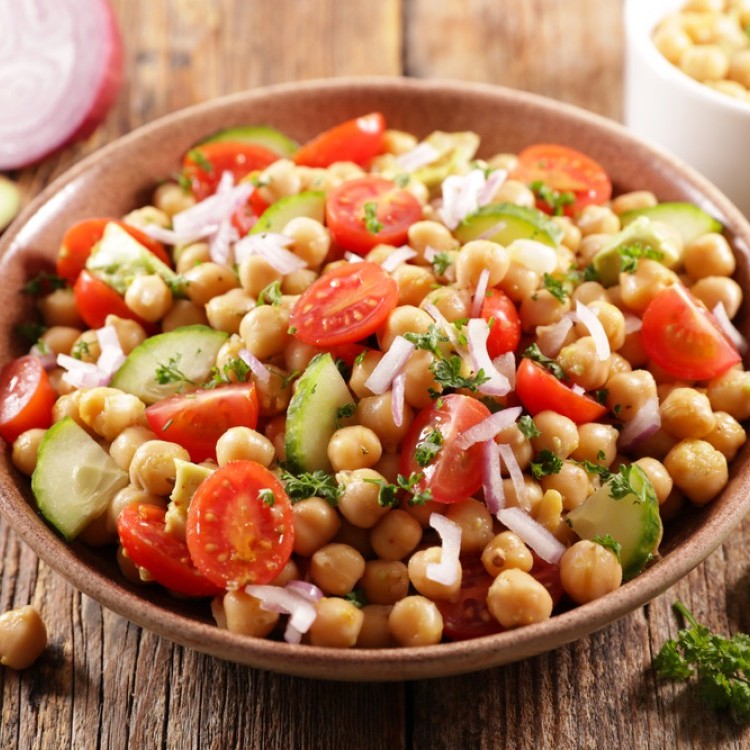
3. Chickpea Salad (Salatat Hummus)

Chickpea salad is a fresh and light Levantine recipe.

First, cooked chickpeas are mixed with chopped tomatoes, cucumbers, and onions. Then olive oil, lemon juice, salt, and cumin are added.

Moreover, fresh herbs like parsley or mint can be included for extra freshness.

Because of its simplicity, it is often served as a side dish or light lunch.

Why Chickpea Recipes Are So Popular

Finally, chickpea dishes are popular because they are simple, healthy, and affordable.

Therefore, they are a key part of Levantine food culture and daily meals.he thing is practically overcooked! Choosing a thick chop allows you to get a nice golden sear on both sides and a perfectly cooked tender center.

3 Easy & Traditional Levantine Tomato Recipes (Fresh, Saucy & Full of Flavor)

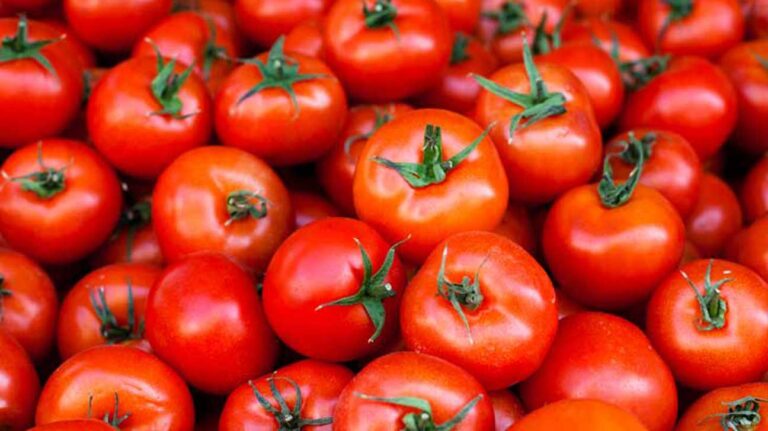
Tomatoes are one of the most important ingredients in Levantine cuisine. They are used in almost every kitchen, from breakfast dishes to dinner stews. Because they are fresh, juicy, and naturally balanced in flavor, they bring life to many traditional recipes.

In cities such as Damascus, Beirut, Amman, and Jerusalem, tomatoes are a daily essential. As a result, they form the base of many Levantine dishes, both simple and rich.

Why Tomatoes Are Essential in Levantine Cooking

First of all, tomatoes are affordable and available all year. This makes them a key ingredient in everyday meals.

In addition, they can be used in many different ways. They can be eaten raw in salads, cooked into sauces, or blended into stews.

Moreover, tomatoes add a natural balance of sweetness and acidity. Because of this, they improve the flavor of both light and heavy dishes.

Finally, tomato-based recipes are easy to adjust. Each family adds its own spices and style.

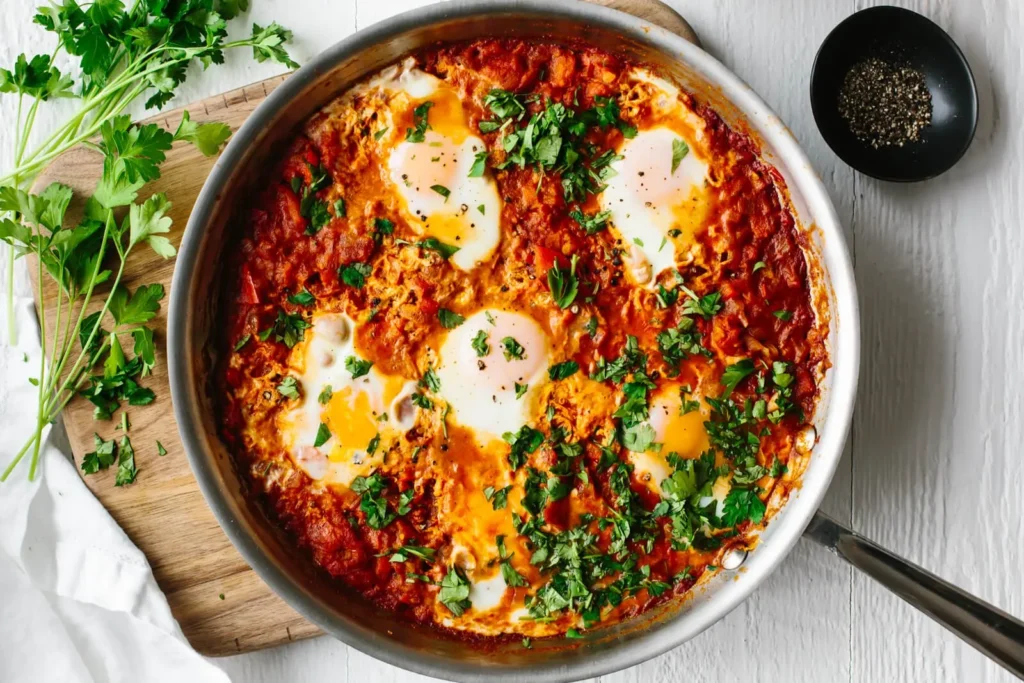
1. Shakshuka – Eggs in Spiced Tomato Sauce

Shakshuka is one of the most popular Levantine breakfast dishes. It is made by cooking eggs in a warm tomato and pepper sauce.

First, onions, garlic, and peppers are sautéed in olive oil until soft. Then tomatoes are added along with cumin, paprika, salt, and black pepper.

After that, the sauce is simmered until it becomes thick and rich. Next, eggs are gently cracked into the sauce and cooked until the whites are set.

Finally, the dish is served hot with fresh bread. As a result, it becomes a comforting and filling breakfast.

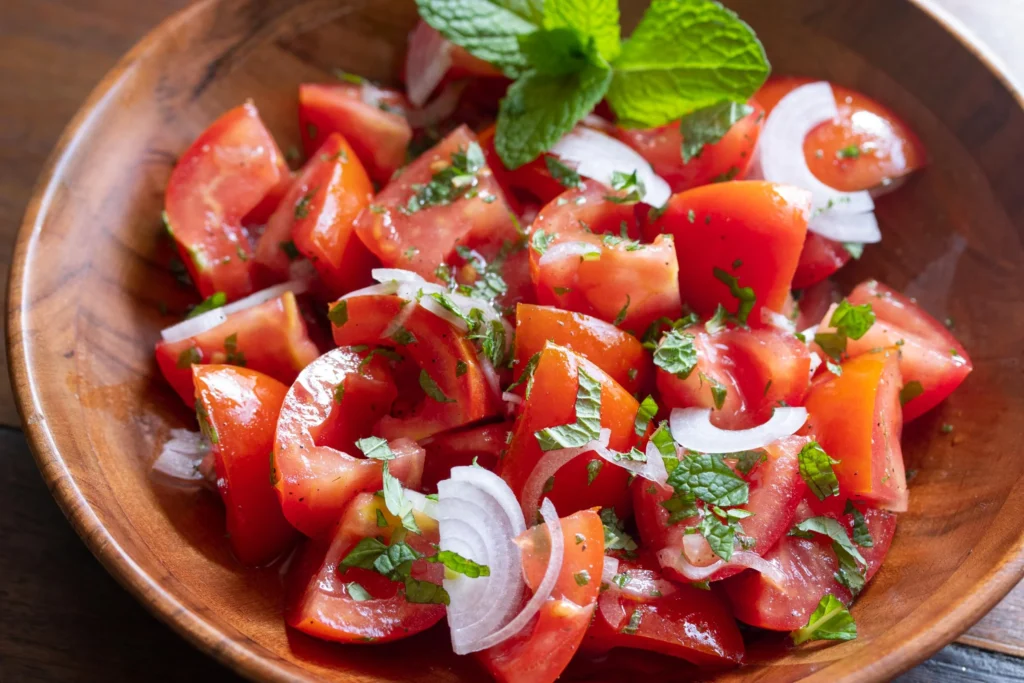
2. Levantine Tomato Salad (Salatat Banadura)

Tomato salad is a fresh and simple side dish that appears on almost every table.

First of all, ripe tomatoes are chopped into pieces. Then they are mixed with olive oil, lemon juice, and salt.

In addition, fresh herbs like mint or parsley are often added. Sometimes cucumber or onion is included for extra crunch.

Because of its freshness, it is usually served with grilled meat, rice, or mezze dishes. It helps balance heavier foods.

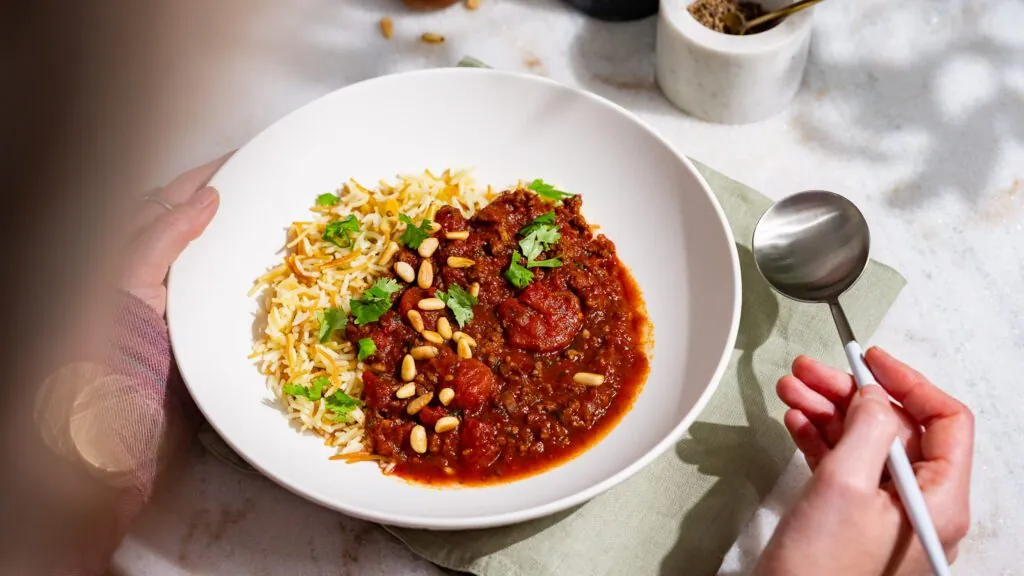
3. Slow-Cooked Tomato Stew (Yakhnet Banadura)

Tomato stew is a traditional Levantine comfort dish. It is warm, rich, and full of flavor.

First, onions and garlic are cooked in olive oil until golden. Then fresh tomatoes or tomato puree are added with spices like cumin and black pepper.

After that, the mixture is slowly simmered until it becomes thick and flavorful. Some versions include meat, chickpeas, or vegetables.

Moreover, it is usually served with rice or fresh bread. Because of its deep taste, it is often prepared for family dinners.

The Role of Tomatoes in Daily Levantine Life

Finally, tomato dishes are part of everyday cooking in the Levant. They are simple but very versatile.

For example, one ingredient can become a breakfast, salad, or main dish depending on how it is prepared.

Therefore, tomatoes are not just food ingredients. They are the foundation of many Levantine recipes and home traditions. tender center.

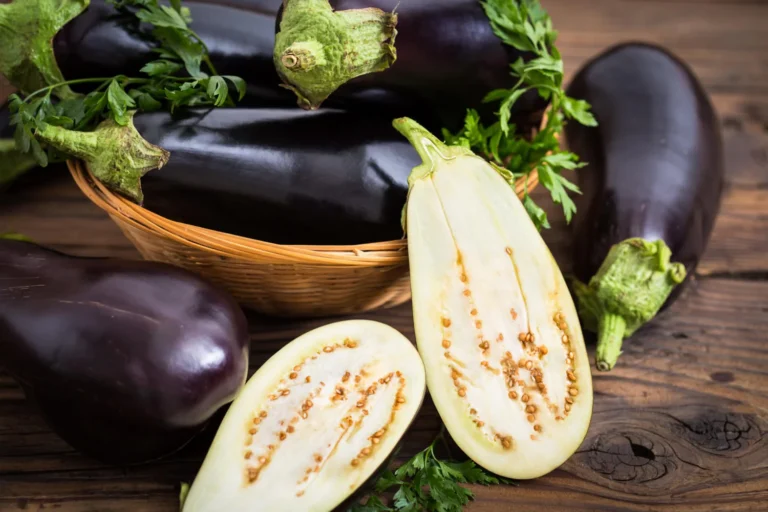
3 Levantine Recipe Ideas Using One Base Ingredient – Eggplant (Batinjan)

Eggplant is one of the most important ingredients in Levantine cuisine. It is soft when cooked, rich in texture, and very flexible in recipes. Because of this, it can be used in many different dishes without needing expensive or complex ingredients.

In everyday kitchens across Damascus, Beirut, Amman, and Jerusalem, eggplant is a common seasonal and daily ingredient. As a result, it appears in appetizers, main dishes, and even cold mezze.

Why Eggplant Is So Popular in Levantine Cooking

First of all, eggplant is affordable and easy to find in local markets. It also absorbs flavors very well, especially olive oil, garlic, tomato, and spices.

In addition, it can be cooked in many ways. It can be grilled, roasted, fried, or stuffed. Because of this flexibility, it is used in both simple home meals and traditional festive dishes.

Moreover, eggplant fits both light and heavy meals. It can be served as a dip, a side dish, or a full main course.

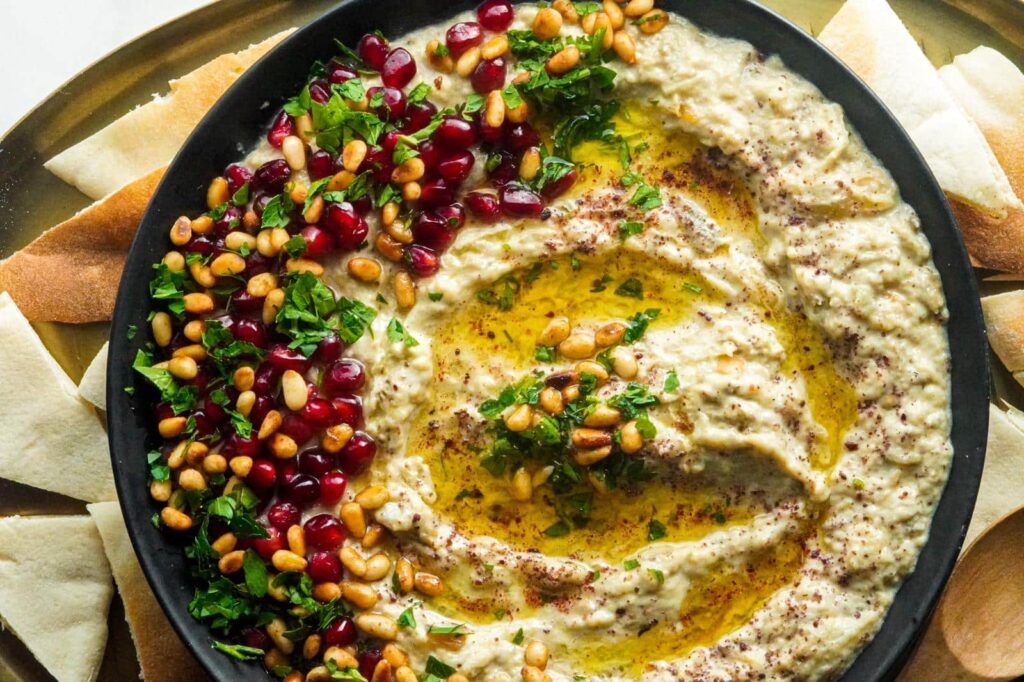
1. Baba Ghanoush – Smoky Eggplant Dip

Baba ghanoush is one of the most famous Levantine eggplant dishes. It is a creamy dip made from roasted or grilled eggplant.

First, the eggplant is cooked over fire or in the oven until the skin becomes black and the inside becomes soft. After that, the flesh is peeled and mashed.

Then it is mixed with tahini, lemon juice, garlic, and olive oil. As a result, it gets a smooth texture and a smoky, rich flavor.

Moreover, it is usually served cold as part of a mezze table. It is eaten with fresh bread, pickles, or alongside grilled dishes.

Finally, some families add yogurt or extra spices to adjust the flavor to their taste.

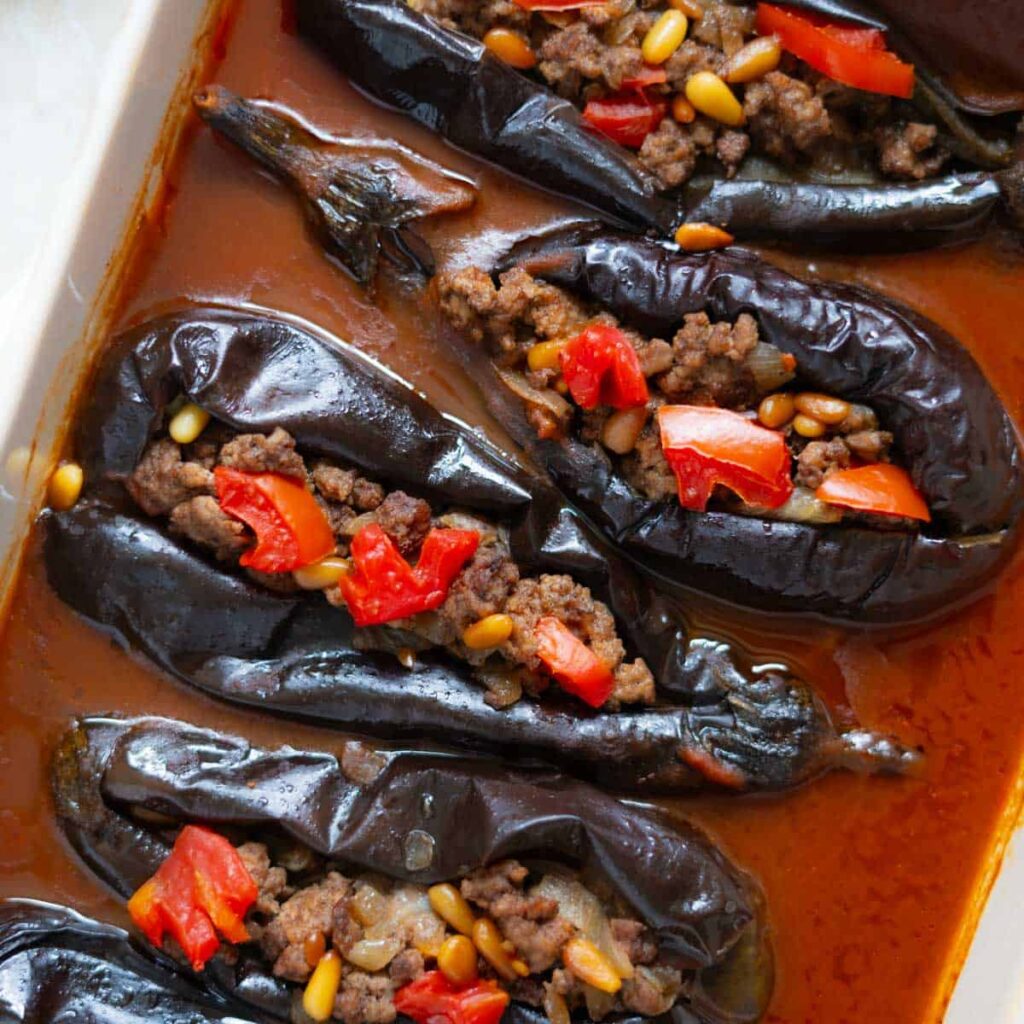
2. Stuffed Eggplant (Mahshi Batinjan)

Stuffed eggplant is a traditional main dish that is often prepared for family gatherings.

In this recipe, the eggplant is hollowed out carefully and filled with a mixture of rice, minced meat, tomatoes, onions, and spices.

After that, it is placed in a pot or baking tray and cooked slowly in tomato sauce or broth.

In addition, the slow cooking process allows the flavors to mix deeply. The eggplant becomes soft, and the filling becomes rich and aromatic.

Moreover, it is often served with yogurt or fresh salad. This makes the dish more balanced and refreshing.

Finally, it is considered a special dish because it takes time and care to prepare.

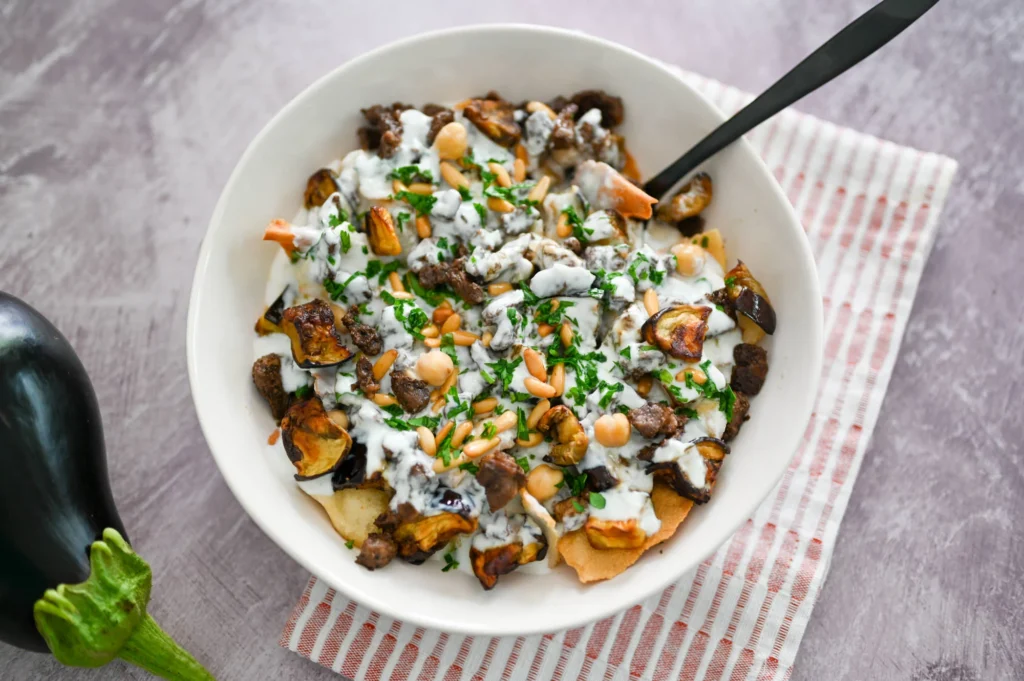
3. Eggplant with Yogurt (Fatet Batenjan)

Eggplant with yogurt is a lighter and refreshing Levantine dish.

First of all, the eggplant is either fried or roasted until soft. Then it is mixed with creamy yogurt, garlic, and salt.

In addition, olive oil is often added on top for extra flavor. Some people also add dried mint or fresh parsley.

Because of its cool and creamy texture, it is often served as a side dish with rice or bread.

Moreover, it is very popular in summer because it feels light but still filling.

Finally, it is a simple dish that can be prepared quickly but still feels traditional.

Eggplant in Everyday Levantine Life

Eggplant is not just an ingredient. It is part of daily cooking culture. For example, it appears in mezze tables, family dinners, and even street food variations.

Therefore, it represents creativity in Levantine kitchens. One ingredient can become many different dishes depending on how it is prepared.

In conclusion, eggplant is one of the strongest symbols of Levantine home cooking because it is simple, flexible, and deeply connected to tradition.

Fresh Tomato Tuna Salad with Nuts

0

Lorem ipsum dolor sit met elit.

The Best Spaghetti Meat Sauce

0

Lorem ipsum dolor sit met elit.